LifeLock’s Identity Theft Protection Services
Allegations: Falsely advertising that LifeLock protects, notifies, reimburses, and assists members whose personal information has been stolen when it does not provide the advertised services
February 2016: A state judge granted final approval of the settlement.
July 2015: A state judge preliminarily approved a settlement of a deceptive advertising class-action lawsuit filed against LifeLock. Among other things, the complaint (which was filed in January 2015) alleges that the company failed to adequately disclose the terms of its automatic renewal and continuous service offers and, as a result, charged consumers without their consent.
According to the settlement terms, each class member will receive a pro rata share, estimated to be $5.65, of the amount remaining in the settlement fund after other costs and expenses (e.g., attorneys’ fees and administrative costs) are paid. Money remaining in the settlement fund as a result of uncashed or returned checks will be paid into a (French for “as near as possible”): a legal doctrine that requires a judge to consider the manner in which unclaimed settlement funds in class action lawsuits are distributed. Under this doctrine, the remaining funds must be distributed for the indirect benefit of the class instead of benefiting the defendant. fund of LifeLock’s choosing.
For more information, go to www.ARLClassAction.com. (Goldman et al v. LifeLock Inc., Case No. 1-15-276235, Superior Court of the State of California, County of Santa Clara)
For more information about other class-action lawsuits filed against LifeLock and TINA.org’s coverage of the company, click here.
Allegations: Falsely advertising that LifeLock protects, notifies, reimburses, and assists members whose personal information has been stolen when it does not provide the advertised services
Allegations: Falsely representing that its advertising was in compliance with an FTC settlement agreement and falsely representing how the company protects consumers’ personal data
Allegations: Falsely marketing itself as a “comprehensive” network that provides service 24 hours a day, 7 days a week, 365 days a year and “stop[s] thieves before they do damage”…
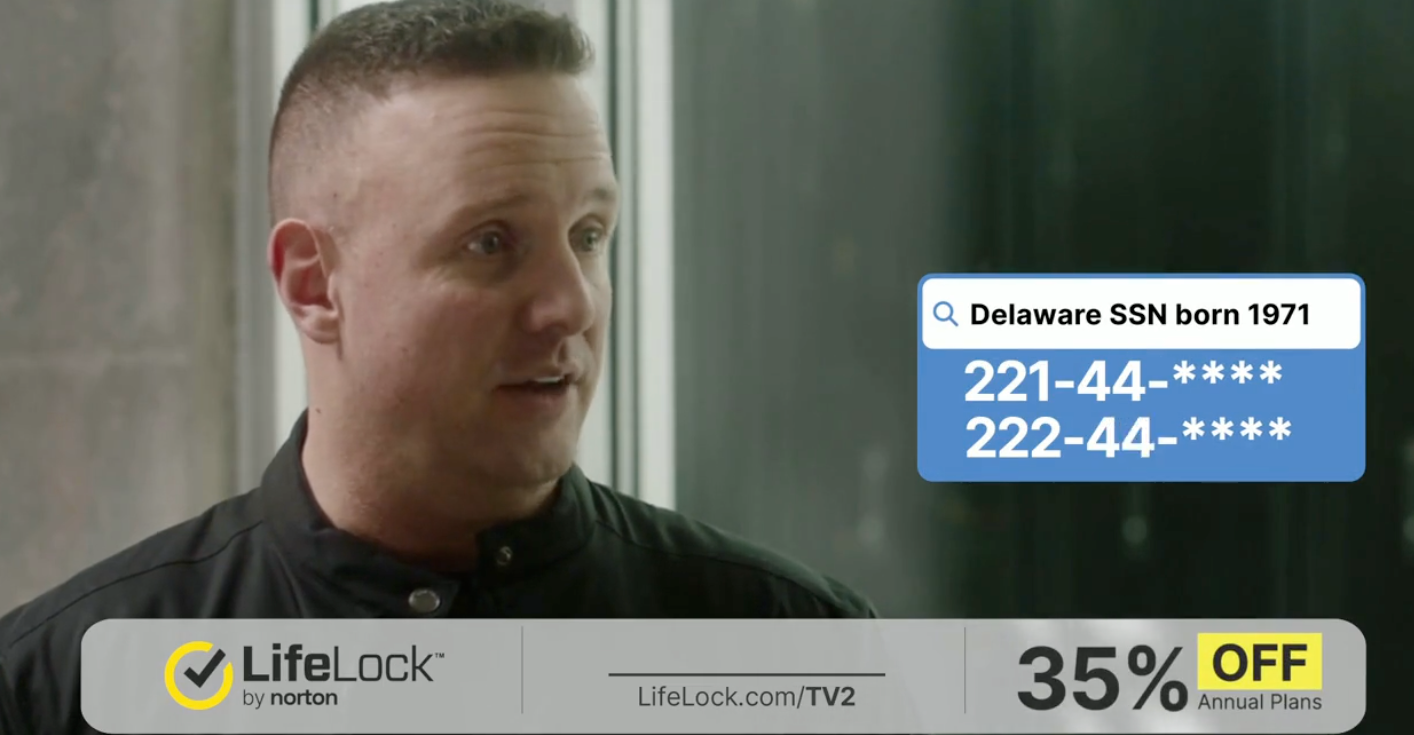
Is your Social Security number as vulnerable as this company claims?

Comparing the amount companies agree to pay to settle deceptive marketing charges with their annual revenue.

Experts weigh in on how to avoid being a victim of these latest campus scams.


LifeLock’s ads say the company will relentlessly protect your identity. But how much can they really do?