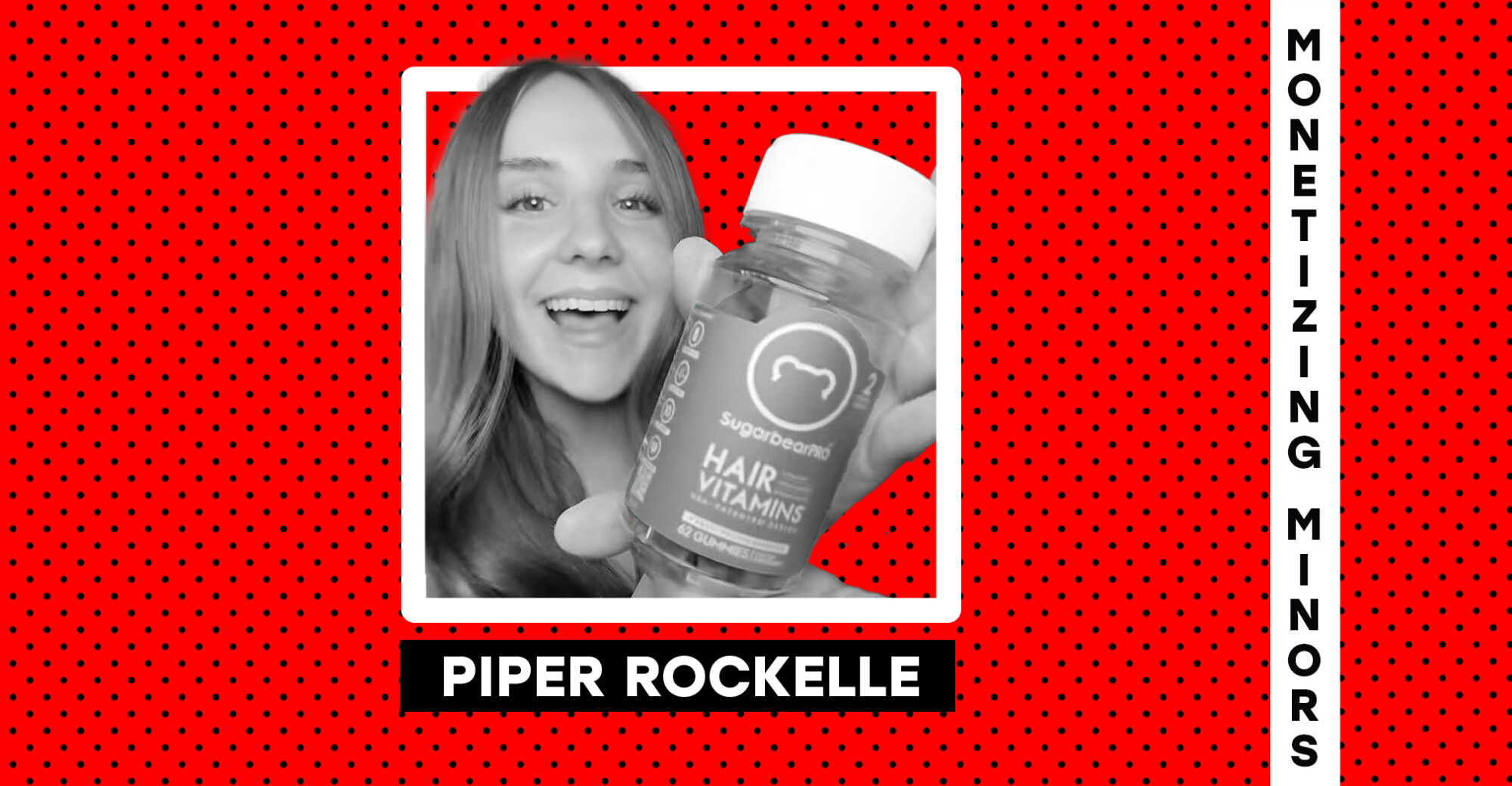
Monetizing Minors: Piper Rockelle
A calorie-counting app is just one of the adult products promoted on this minor’s social media channels.
What you need to know about these compelling marketing tactics.

Endorsements and testimonials can be incredibly effective marketing tools. They allow companies to showcase positive customer experiences, boosting credibility in ways that a typical sales pitch made by the company cannot match.
It is perhaps not surprising that the vast majority of consumers trust what a customer has to say about a business more than what the business says about itself. And if a product doesn’t have any customer testimonials or reviews, nearly half of consumers view that as a reason not to purchase the item.
Endorsements can come from a range of sources, including happy customers, celebrities and even organizations. And when it comes to celebrity endorsements, the actual product may matter less than the person endorsing it.
Nearly every industry uses endorsements and testimonials, from health care and finance to multilevel marketing and alcohol. And they are increasingly prevalent online with companies spending hundreds of billions of dollars on digital advertising each year.
But all too often, endorsements and testimonials are fabricated and even truthful accounts from actual customers can be deceptive (more on this to come). Social media influencers also frequently fail to disclose that they got something in exchange for the endorsement or review, leading consumers to (mistakenly) think that the post came about organically.
What does the law say about all this, you ask? Great question. Let’s dig in.
In 2024, the FTC adopted a rule banning fake reviews and testimonials. The agency has put its rule to use a number of times, including in an April 2026 complaint against TruHeight, a children’s supplement company whose deceptive claims to help kids grow tall caught our attention in 2023. They attracted the attention of the FTC as well but the agency’s complaint didn’t stop at false growth claims.
The FTC also alleged that TruHeight, with the help of AI, published comments on its Facebook and Instagram pages that looked like they were written by actual users but were actually from more than 150 fake social media profiles the company purchased. On top of that, the FTC said that TruHeight’s website at one point contained several thousand five-star reviews that were actually written by company employees.
We’ve also uncovered companies using fake reviews to artificially enhance their reputation.
As part of a 2025 investigation into the home cleaning platform Homeaglow, for example, we noted how the company’s purported high rating on Trustpilot, advertised on its homepage (see below), shined in comparison to its much lower customer ratings on other third-party review sites like the BBB.
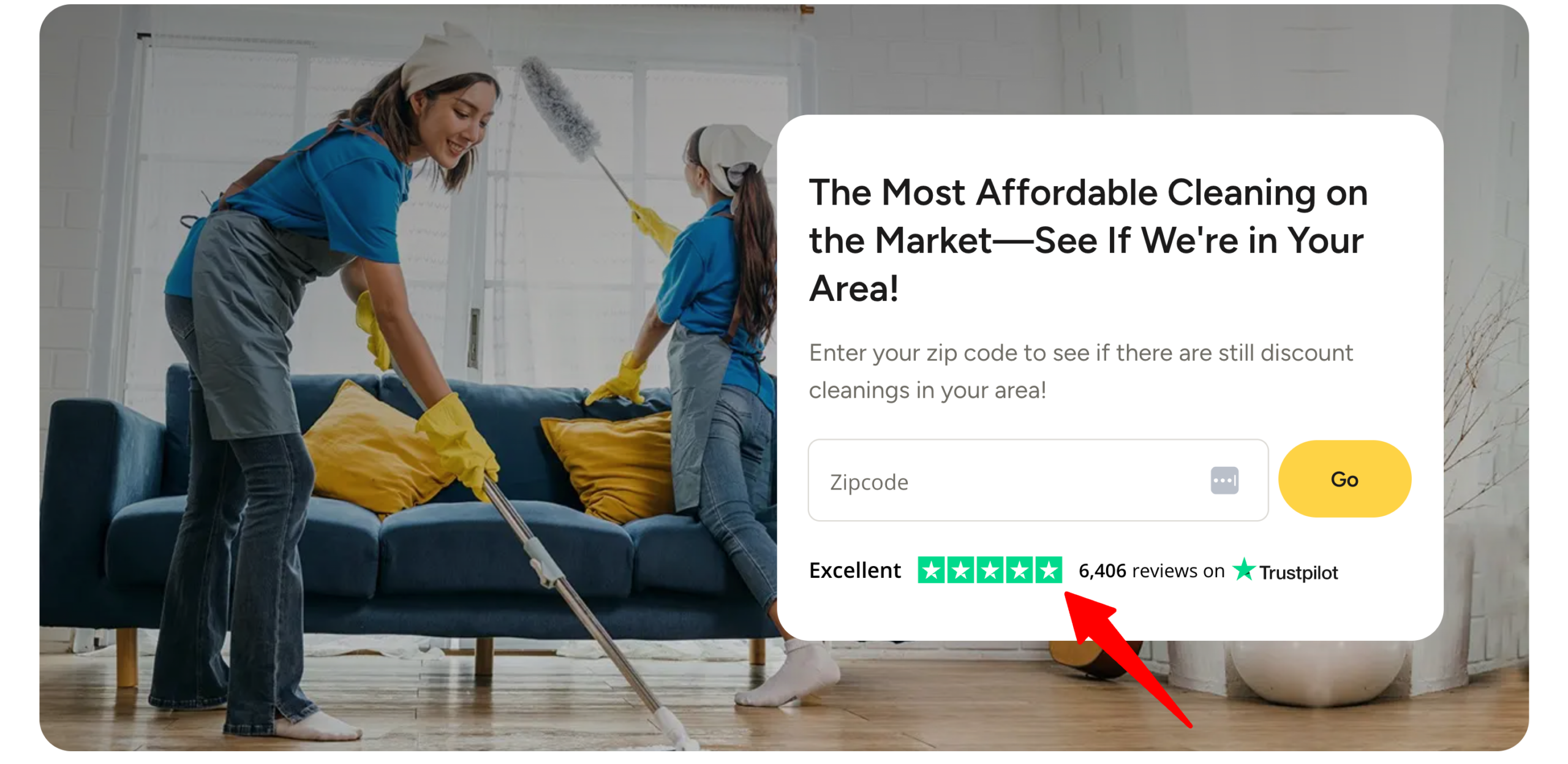
After we alerted Trustpilot to the ratings discrepancy, the site conducted an investigation that found that 30% of reviews posted on Homeaglow’s Trustpilot page in the preceding six months were fabricated. A month later, thousands of reviews vanished from the company’s Trustpilot profile and its rating on the platform dropped from 4.5 stars (its actual rating at the time, as opposed to the advertised 5 stars above) to 1.3 stars.
As of June 2026, Homeaglow doesn’t advertise any Trustpilot rating on its homepage.
In addition to banning fake reviews, the FTC’s rule prohibits buying positive or negative reviews, suppressing negative reviews and using fake indicators of social media influence such as paid followers.
According to the FTC, it is not enough that a testimonial comes from an actual customer – what the FTC refers to as a “bona fide user” – and is a truthful account of what the consumer actually experienced. If the testimonial advertises a specific result, it needs to be reflective of the typical customer experience.
As the FTC puts it:
Endorsements claiming specific results usually will be interpreted to mean that the endorser’s experience reflects what others can also expect.
As a result, the FTC says, if a company wants to advertise results that are not typical, it must also clearly and conspicuously what consumers can generally expect to achieve.
But many marketers choose not to do that.
For example, TINA.org has documented thousands of examples of MLM companies and their top distributors using atypical and unsubstantiated income claims to promote their business opportunities without adequately disclosing that most participants make little or no money (and many lose money). Here are just a few examples:
Companies and individuals have also used atypical testimonials to market other purported money-making opportunities, investment newsletters and even cancer treatments.
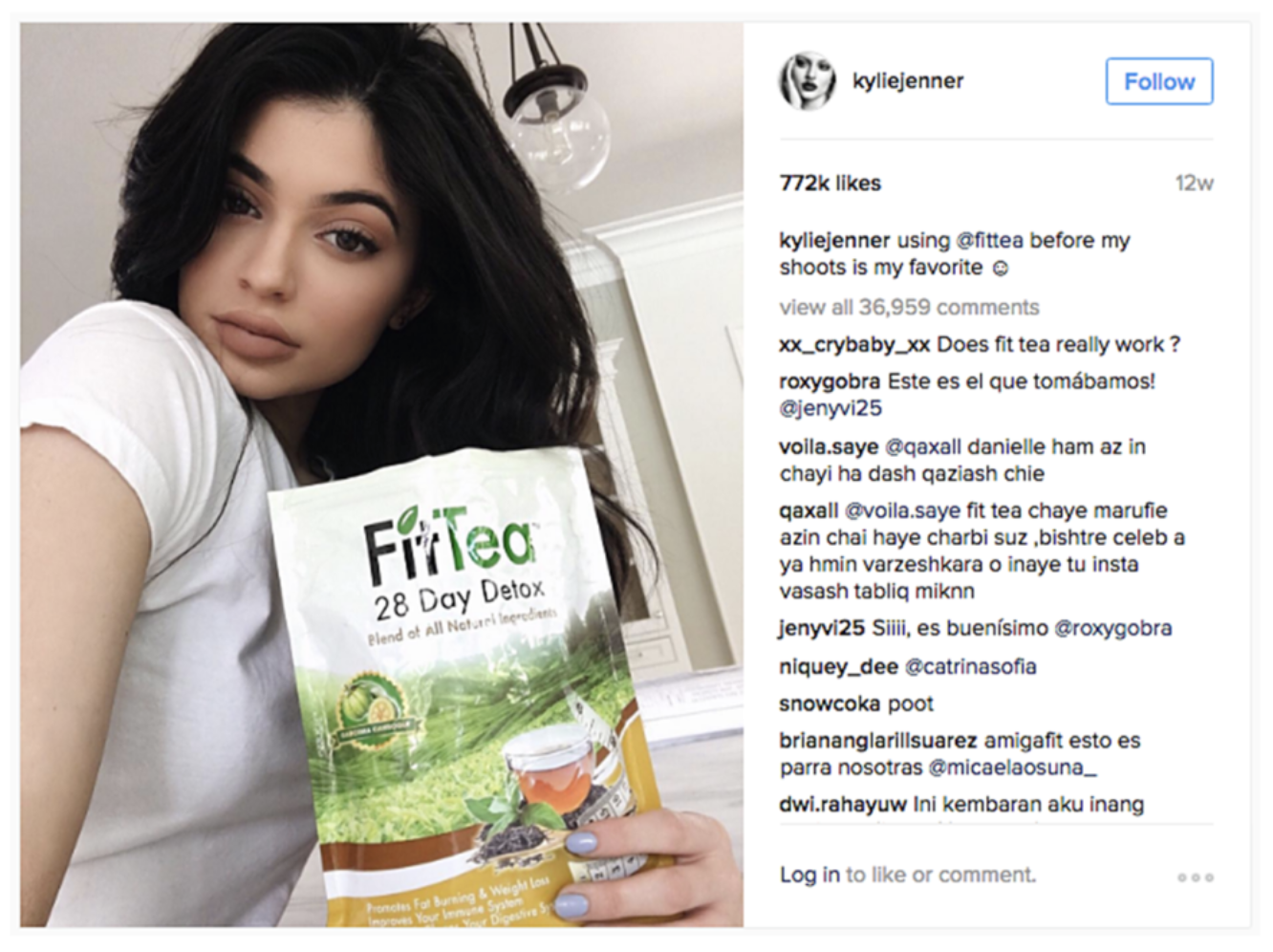
The FTC is clear in its endorsement guides that if someone – whether it’s a regular person, micro-influencer, kidfluencer or A-list celebrity – has a “material connection” with a company, ranging from the gift of a free product to being paid for their endorsement, and it isn’t obvious to their intended audience, they must disclose that relationship since it could affect a consumer’s opinion about the brand, product or service being promoted.
Celebrities, however, are infamous for forgetting to #ad it. Some of the celebs we have found engaging in undisclosed influencer marketing include DJ Khaled, dozens of Ciroc influencers, PewDiePie and members of the Kardashian/Jenner family including Kylie Jenner:
And as previously noted, companies may also tout organizational endorsements. But not only are some of these “endorsements” paid for by the company, others are completely made up.
It is getting harder for consumers to effectively weigh the credibility of endorsements and testimonials and, as noted above, now some companies are allegedly using AI to generate and post fake reviews. But there are things you can do to avoid being misled.
Companies generally have more control over their own website and social media accounts than third-party review sites. But don’t stop at one third-party review site (see Homeaglow above). Rather, read reviews on a variety of platforms to get a fuller picture about customers’ experiences with a business.
Consumers should also consider other factors when making purchasing decisions. Do some research such as looking into the organization that allegedly endorsed the company or product to verify the endorsement or digging into an influencer’s posts to see if the promoted product is just one of many the person is hawking, which may signal that the influencer is more interested in making money than giving great recommendations. And find out if the company has a return policy and if it allows you to get your money back in the event the endorsement turns out to be too good to be true.
A calorie-counting app is just one of the adult products promoted on this minor’s social media channels.
A closer look at what we’ll be monitoring in the new year.
And the regulatory efforts that seek to curb them.