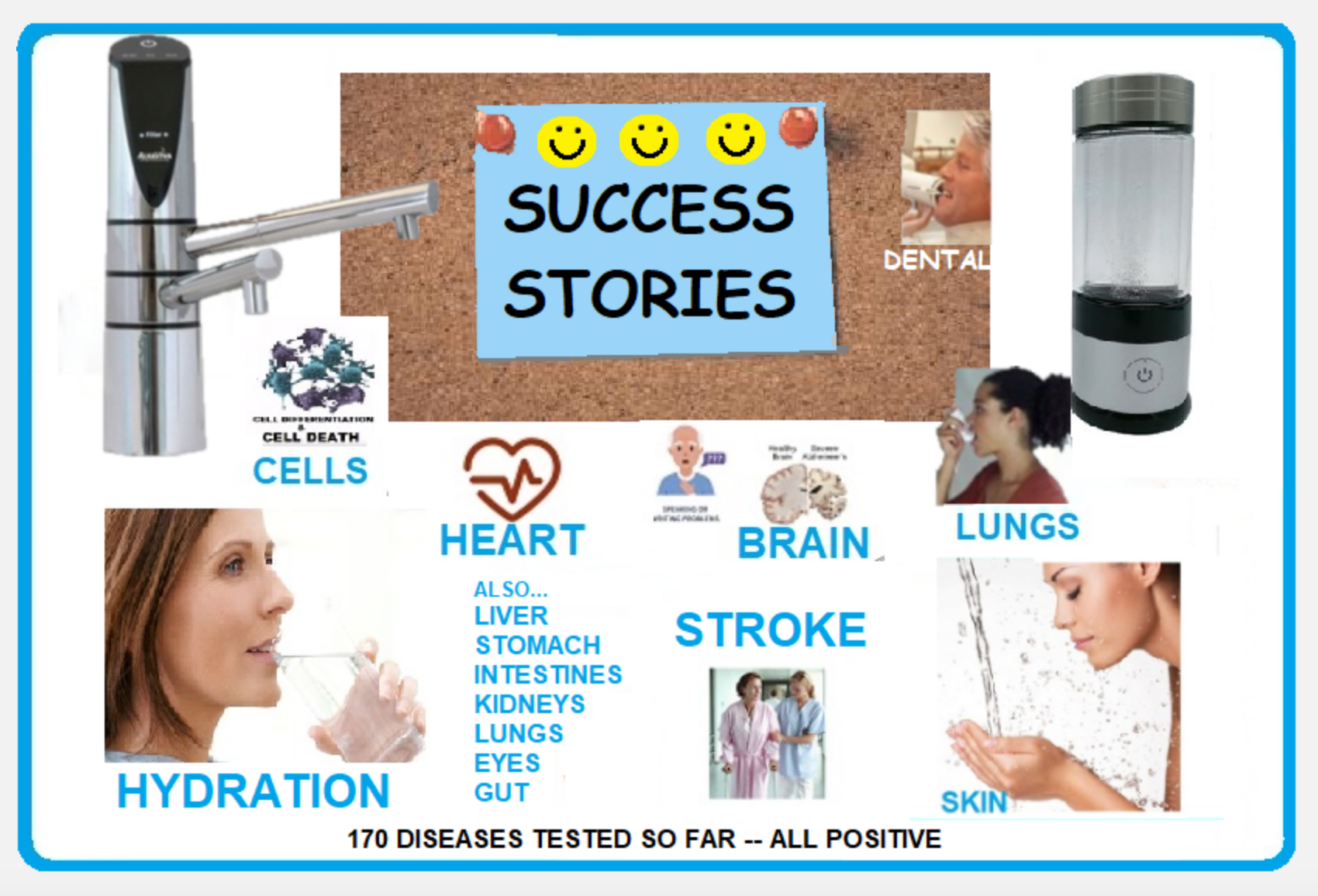
Alkaline Water Plus
Are there really any benefits to drinking alkaline water?
Consumers looking to improve their health need to be wary of deceptive marketing.

The health and wellness category boasts a wide range of products and services, from supplements and essential oils to personal care and beauty products to IV treatments and red light devices to pillows and “vaginal eggs.” The medical conditions that these products claim to address also run the gamut, from acne and eczema to anxiety and depression to inflammation and high blood pressure to diseases such as fibromyalgia, diabetes and cancer.
But all too often, these marketing claims turn out to be false or unproven. With Americans spending more than $6,000 annually on health and wellness, here’s what you need to know.
First, there’s a common misconception that the FDA reviews supplements for safety and efficacy before they are sold to consumers. Under the Dietary Supplement Health and Education Act of 1994, often referred to as DSHEA, the FDA does not have the authority to approve supplements or their labeling before they hit store shelves or are available for purchase online. Instead, the FDA relies on a self-reporting process that many say has been broken for years as the supplement industry has exploded into a $68 billion business. The FDA also doesn’t approve cosmetics, with the exception of color additives, or compounded drugs, which have also risen in popularity in recent years.
Why does this matter? Only FDA-approved drugs and medical devices that have been subject to a rigorous review by the agency can be marketed as able to treat, cure or prevent disease. The FDA refers to such marketing statements as “drug claims” and they can range from claims that a product prevents Alzheimer’s to claims that a product stimulates hair growth.
The FTC, meanwhile, requires marketers to have “competent and reliable scientific evidence” to back up their health claims. As the agency explains in its Health Products Compliance Guidance published in 2022:
As a general matter, substantiation of health-related benefits will need to be in the form of randomized, controlled human clinical testing to meet the competent and reliable scientific standard.
The FTC guidance also warns that ingredient studies may not be enough to substantiate claimed health benefits and that advertisers that rely on such studies “should consult with a qualified expert in the relevant field to determine whether a clinical study of the product itself is required.”
Yet many marketers choose to flout both FDA and FTC law. Here are some examples.
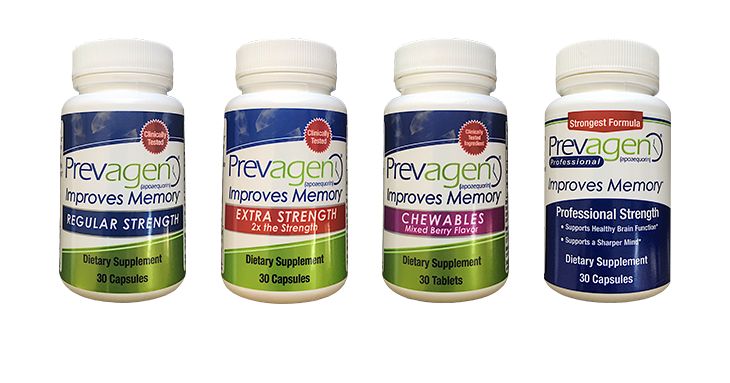 After receiving an FDA warning letter regarding its unapproved drug claims in 2012, the maker of Prevagen went on to market the purported brain supplement as able to improve memory without having competent or reliable scientific evidence to support the claim. Prompted by a 2015 TINA.org complaint, the FTC, together with the state of New York, sued the company in 2017 over its deceptive memory-improvement claims. In 2024, a federal court ordered the company to stop making the memory-improvement claims, though the case remains on appeal.
In 2016, MyPillow agreed to pay $1 million to settle a California lawsuit alleging it made unsubstantiated claims that its eponymous pillow treats conditions such as insomnia, sleep apnea and insomnia. Prior to the settlement, TINA.org had provided California regulators with evidence of the company’s deceptive marketing campaign. In 2019, MyPillow paid an additional $100,000 for violating the terms of the settlement prohibiting it from making false and misleading health claims, including through the promotion of a “clinical sleep study” that TINA.org found rife with problems and did not support the marketing message that MyPillow could help with a number of health issues.
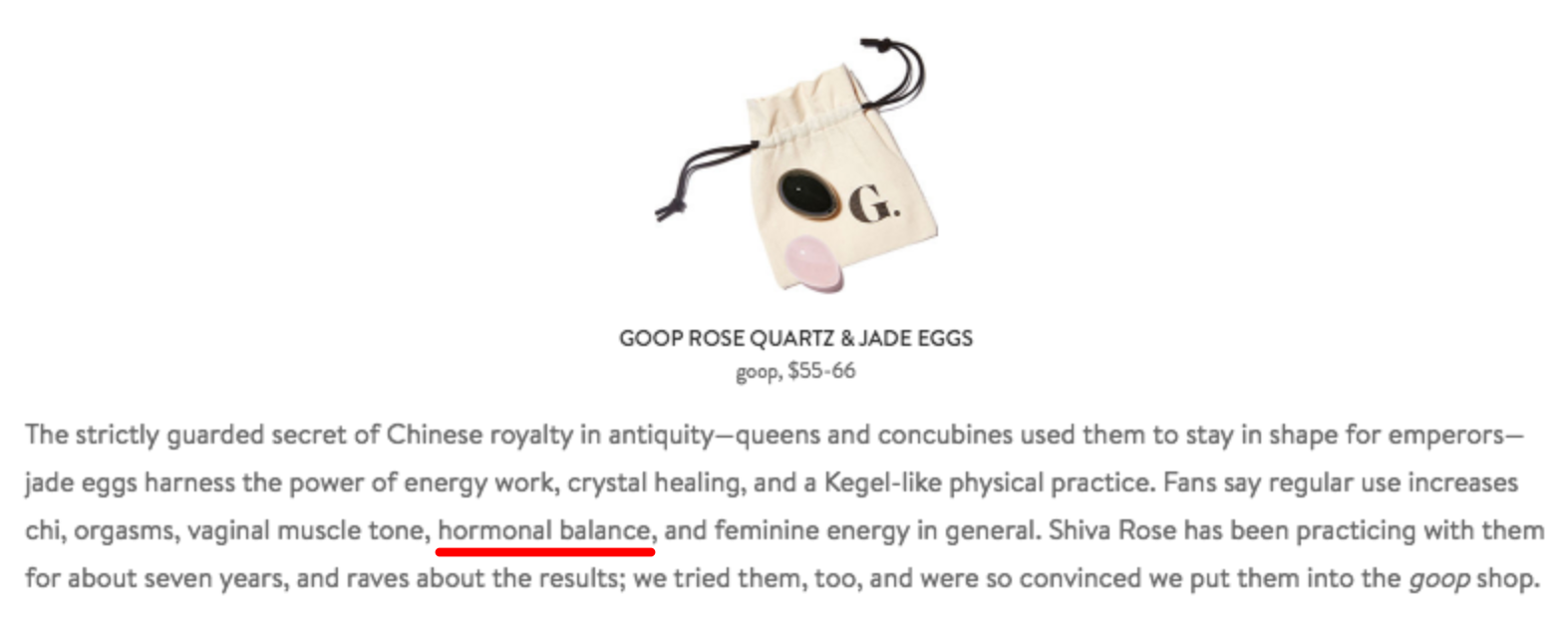
Then there’s Goop, whose deceptive marketing of its vaginal eggs as having the ability to balance hormones (see above), regulate menstrual cycles and prevent uterine prolapse also caught the attention of California regulators following a 2017 TINA.org complaint, leading to a $145,000 fine.
Additional examples TINA.org has uncovered over the years include menopause supplements, IV therapies and essential oils, just to name a few.
Consumers should be cautious when evaluating health claims. Claims that sound too good to be true often lack robust scientific support, even if that is what is required by law.
And just because an advertiser says something is clinically proven doesn’t actually mean the advertising claim is properly supported. As always, consumers should discuss health decisions with their healthcare providers.
Are there really any benefits to drinking alkaline water?

This year reader tips led to dozens of ad alerts, as well as a complaint to regulators.
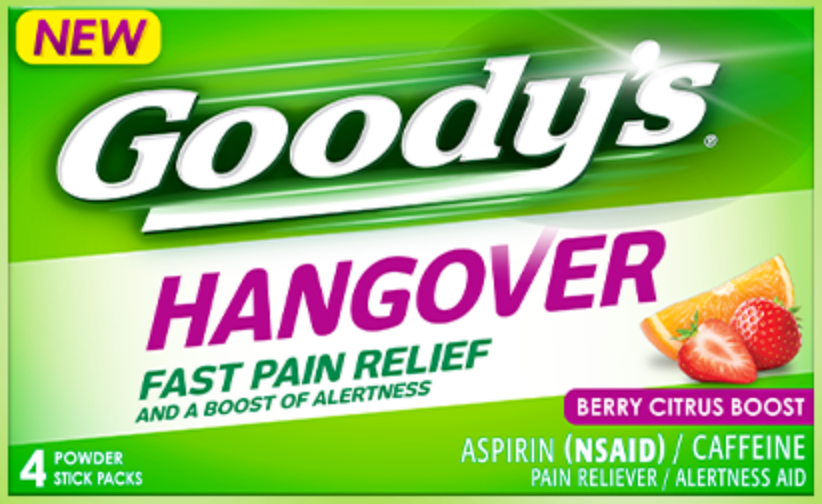
What you need to know about this purported hangover remedy.