
LifeLock’s Identity Theft Protection Services
Allegations: Falsely advertising that LifeLock protects, notifies, reimburses, and assists members whose personal information has been stolen when it does not provide the advertised services
May 2015: The named-plaintiff voluntarily dismissed the complaint without prejudice. The reasons for the dismissal have not yet been disclosed.
February 2015: A class-action lawsuit was filed against LifeLock, Inc. for, among other things, allegedly deceptively making automatic renewal and continuous service offers without adequately disclosing the terms for such offers. (Trax et al v. LifeLock, Inc., Case No. 15-cv-00220, S.D. Cal.).
For more information about other class-action lawsuits filed against LifeLock and TINA.org’s coverage of the company, click here.
For more information about other class-action lawsuits regarding automatic renewal offers and TINA.org’s coverage of the topic, click here.
Allegations: Falsely advertising that LifeLock protects, notifies, reimburses, and assists members whose personal information has been stolen when it does not provide the advertised services
Allegations: Falsely representing that its advertising was in compliance with an FTC settlement agreement and falsely representing how the company protects consumers’ personal data
Allegations: Falsely marketing itself as a “comprehensive” network that provides service 24 hours a day, 7 days a week, 365 days a year and “stop[s] thieves before they do damage”…
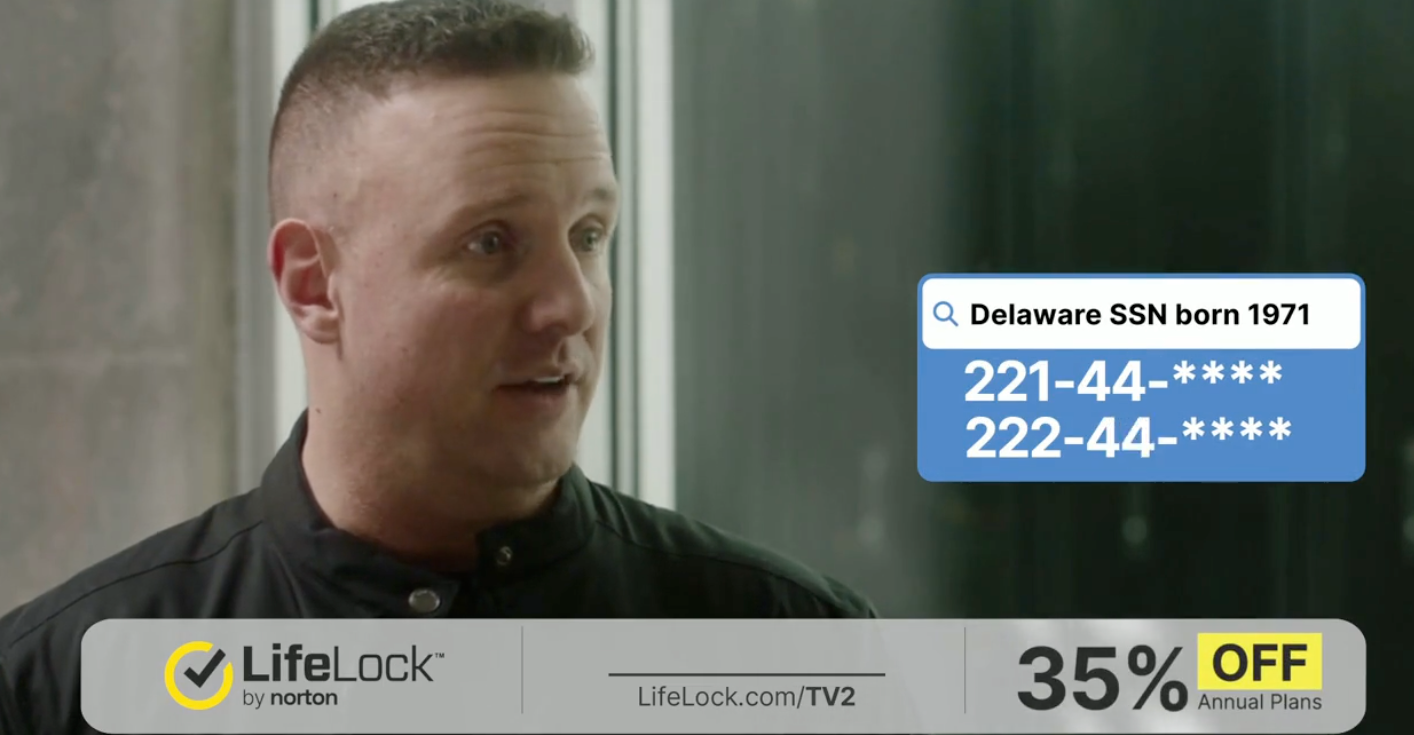
Is your Social Security number as vulnerable as this company claims?

Comparing the amount companies agree to pay to settle deceptive marketing charges with their annual revenue.

Experts weigh in on how to avoid being a victim of these latest campus scams.


LifeLock’s ads say the company will relentlessly protect your identity. But how much can they really do?