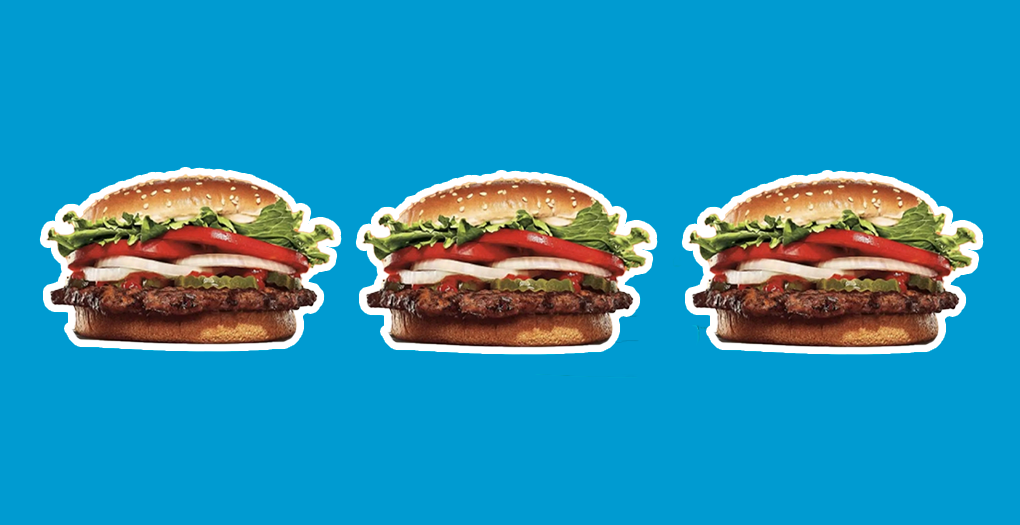
CATrends: Where’s the Beef?
Lawsuits challenge the amount of meat and toppings depicted in fast-food marketing images.
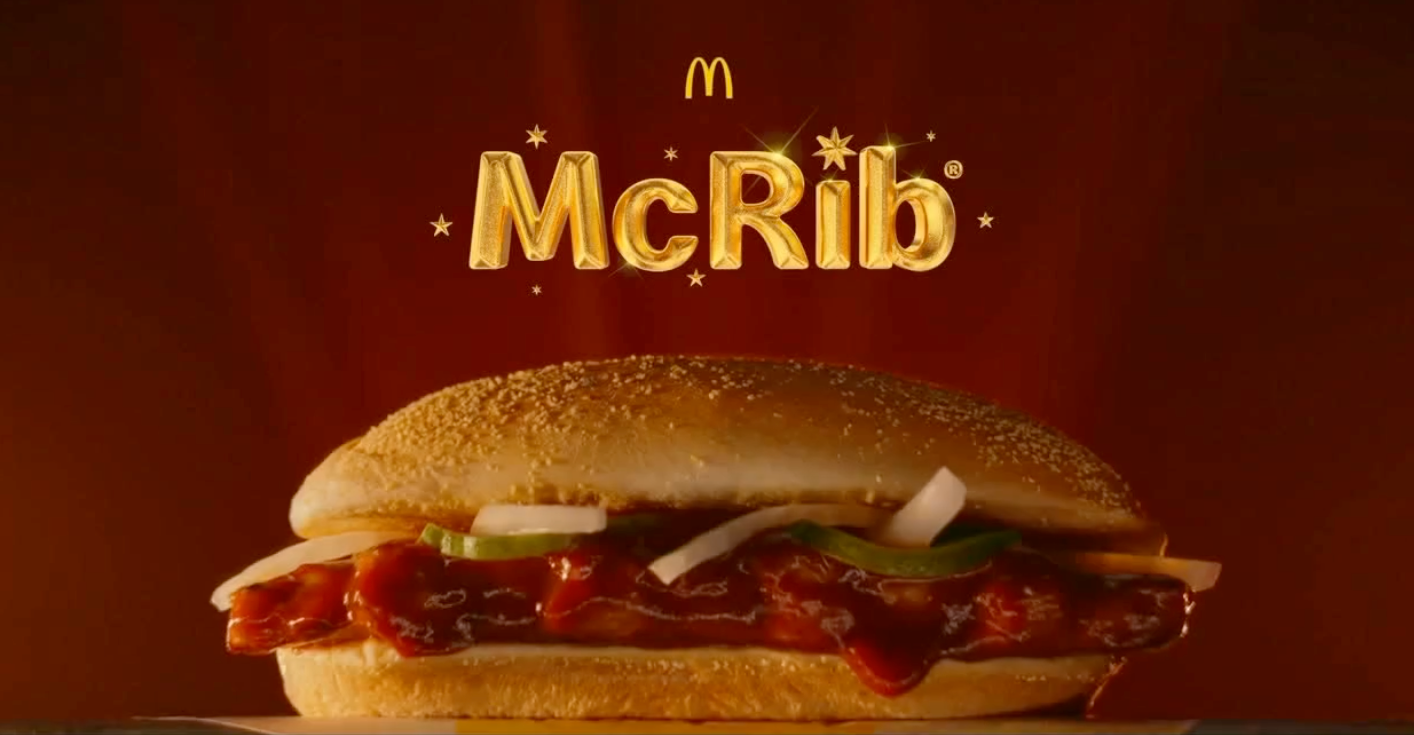
It’s no secret that the McRib has a dedicated following.
The sandwich – which was introduced by McDonald’s in 1981 and is only available at limited times and select locations – has inspired its fans to create a website to track its whereabouts, show up at town meetings to voice support for the sandwich, and start an online petition to permanently reinstate the McRib on the menu. In its most recent return, in November, just the mere mention of the McRib brought one fan back to life:

But not everyone is celebrating the McRib’s latest return.
A class-action lawsuit filed late last month accuses McDonald’s of falsely advertising the McRib as containing real pork rib meat. As the complaint alleges:
Despite its name and distinctive shape – its meat patty has been deliberately crafted to resemble a rack of pork ribs – the McRib does not contain any actual pork rib meat at all. Instead, its meat patty is reconstructed using ground-up portions of lower-grade pork products such as, inter alia, pork shoulder, heart, tripe, and scalded stomach.
The lawsuit claims that the McRib’s “high price” – according to the complaint, the sandwich costs up to $7.89, making it one of the most expensive single-item options on the McDonald’s menu when it is offered – also misleads consumers into believing they are buying “a premium product containing at least some meaningful amount of actual pork rib meat.”
In response to a request for comment, McDonald’s said the lawsuit “distorts the facts and the claims are meritless,” adding:
Our fan-favorite McRib sandwich is made with 100% pork sourced from farmers and suppliers across the U.S. – there are no hearts, tripe or scalded stomach used in the McRib patty as falsely alleged in this lawsuit. We’ve always been transparent about our ingredients so guests can make the right choice for them.
Interestingly, the company’s statement did not address the allegation that the McRib doesn’t contain any actual pork rib meat.
Of note, this is not the first time we’ve reported on the alleged ingredients in a McDonald’s menu item. Previously, we alerted consumers to a similar issue involving the restaurant’s claim that one of its sandwiches was made with “100% chicken breast filet” when it actually, ironically, contained rib meat. Following our inquiry, McDonald’s made some marketing changes.
The bottom line
Only time will tell how the lawsuit ends. In the meantime, consumers should continue to view many fast-food ads with caution. Over the years we’ve alerted consumers to a range of issues, including advertised menu items that weren’t available, didn’t resemble the ads and were allegedly missing key ingredients.
Find more of our coverage on fast food.
Our Ad Alerts are not just about false and deceptive marketing issues, but may also be about ads that, although not necessarily deceptive, should be viewed with caution. Ad Alerts can also be about single issues and may not include a comprehensive list of all marketing issues relating to the brand discussed.
Lawsuits challenge the amount of meat and toppings depicted in fast-food marketing images.

Are there really any benefits to drinking alkaline water?
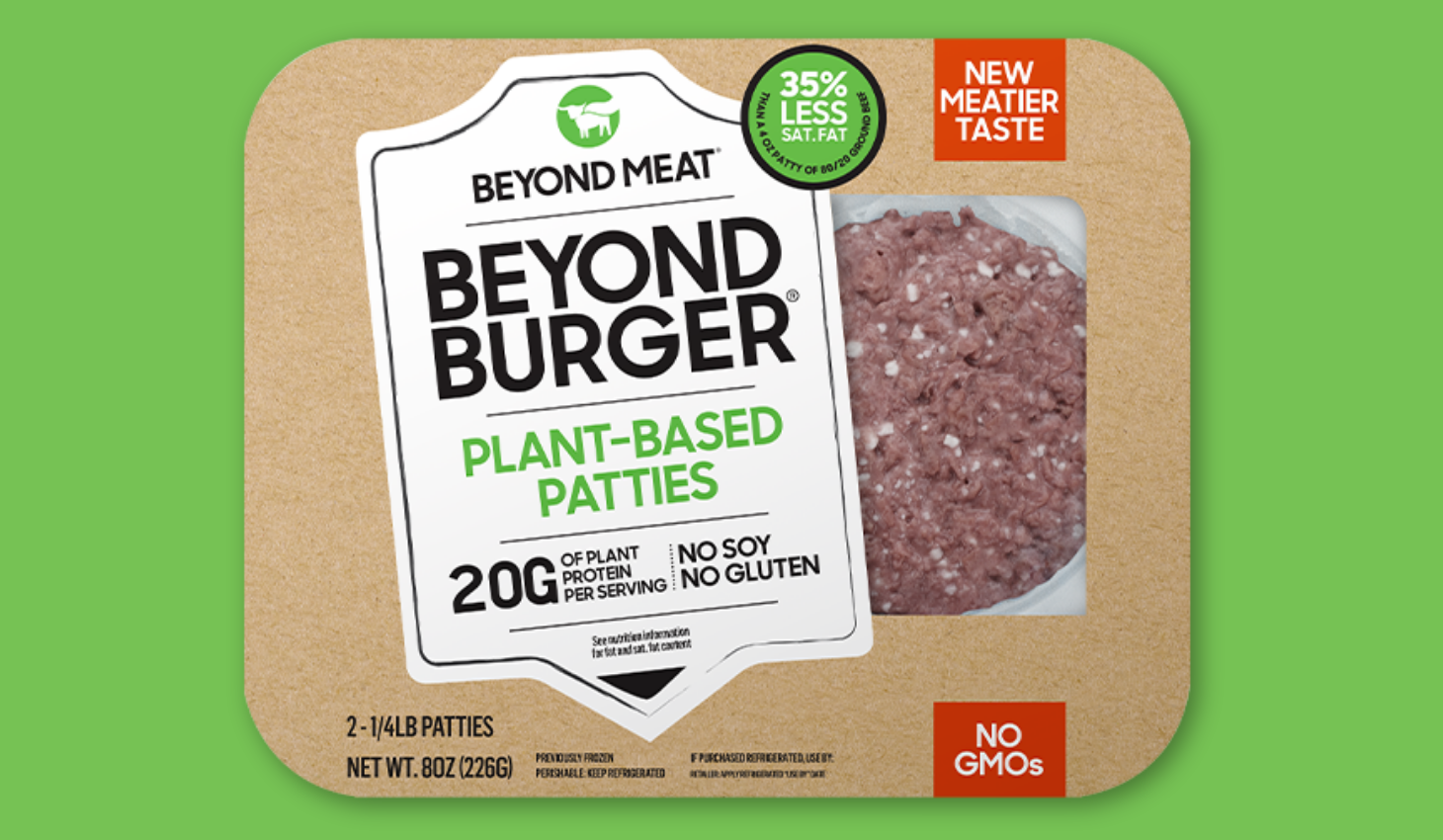
TINA.org investigates ingredients in company’s flagship product, the Beyond Burger.