
Olive Tree People
These “waterless” beauty products contain some surprising ingredients.
Rosewater ingredient claims wilt upon a closer look.

In a company blog post Mario Badescu extols the “soothing, hydrating and rejuvenating properties” of rosewater, a purported ingredient in its best-selling facial spray.
“Whether looking to balance out your skin or get a refreshing boost in the middle of a long day – rosewater can be a savior for your skin,” the company writes.
There’s just one problem, TINA.org discovered after receiving a tip from a reader: Mario Badescu’s spray doesn’t contain rosewater. Rather, it is made with “rosa canina extract,” according to the ingredients list on the product page.

Rosa canina extract is different from rosewater in two primary ways. First, as the company acknowledges, rosa canina extract is derived from a different species of roses than those that are typically used to make rosewater.
Second, the ingredients come from different parts of the rose. Rosewater is made by distilling the petals in water to bring out “the essence of the roses,” as Mario Badescu explains:
The petals of the roses are carefully harvested and the petals are placed in water. As the water heats up, steam is produced as the steam containing the essence of the roses rises through the still and enters a condensation chamber. In the condensation chamber, the steam cools down and turns back into a liquid. This liquid is a combination of water and rose oil, which is commonly known as rose hydrosol or rosewater.
By contrast, rosa canina extract, also known as rosehip extract, comes from the fruit or seed of the rose.
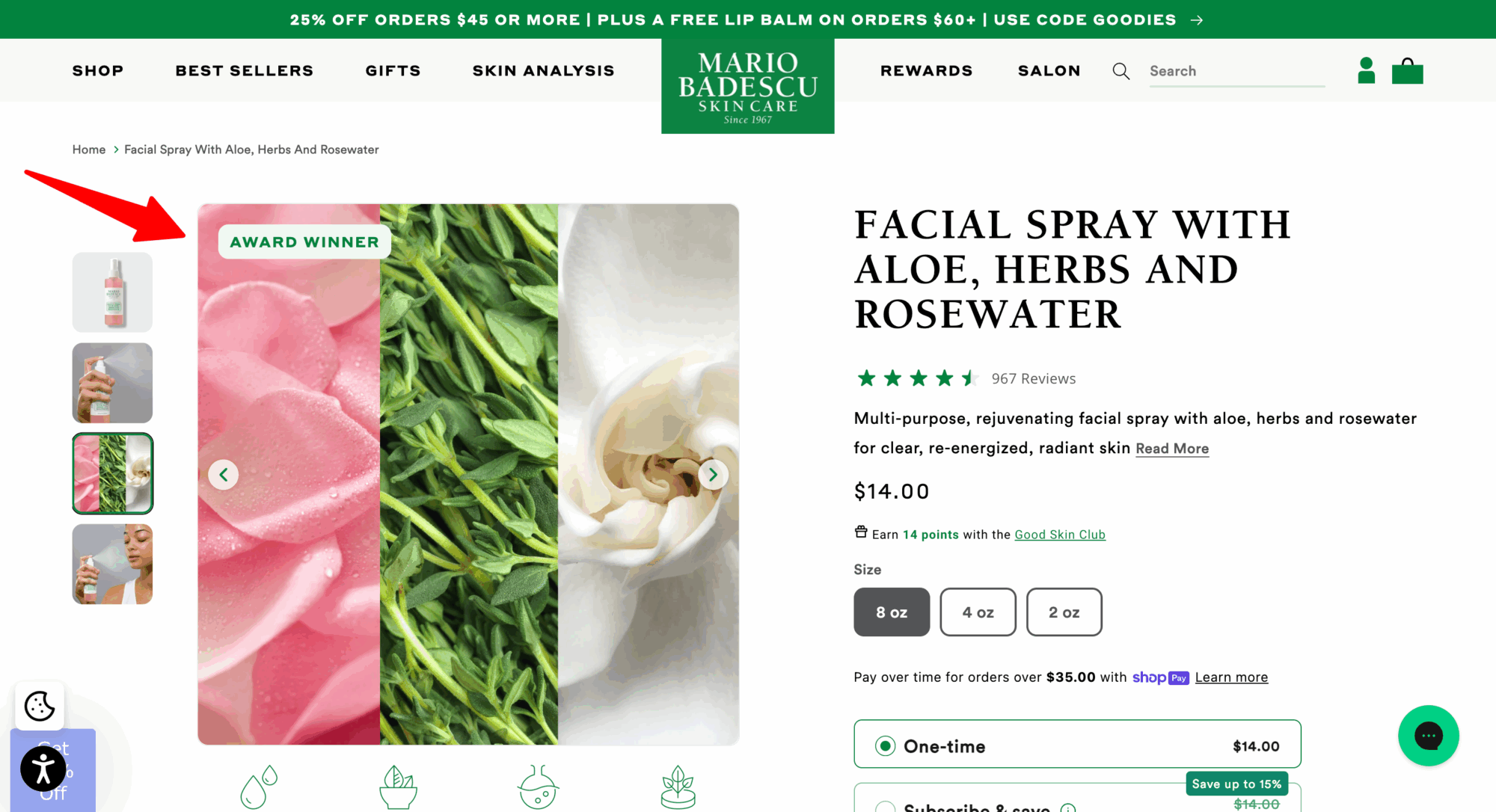
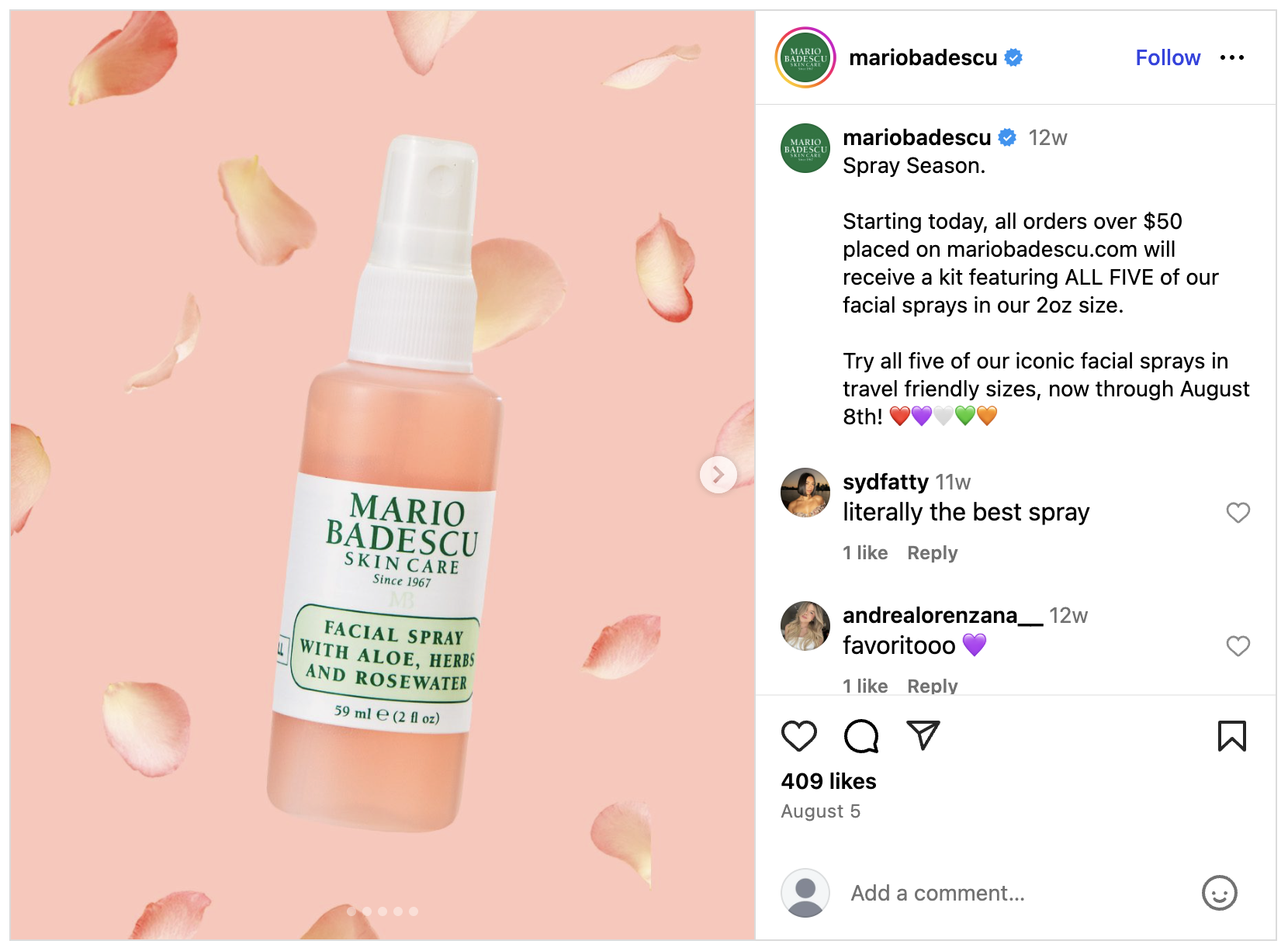
Yet this has not stopped Mario Badescu from showcasing rose petals in various product images promoting its “rosewater” facial spray:
In response to a TINA.org request for comment, Mario Badescu said the facial spray is marketed to contain rosewater “to indicate the presence of a rose-derived component” but confirmed that the product doesn’t contain rose hydrosol, aka rosewater.
“The extract format was selected intentionally because it offers greater consistency and stability in formulation than rose hydrosol, which can vary from batch to batch and typically carries a higher microbial load requiring more aggressive preservation, while also allowing for a higher concentration of rose-derived constituents in the formula,” the company said.
The bottom line
While Mario Badescu claims that rosa canina extract also provides numerous benefits for the skin, its marketing of a “rosewater” facial spray that does not actually contain the ingredient is likely to mislead consumers.
If a specific ingredient in a cosmetic is important to you, check the ingredients label to make sure what’s advertised is actually in the product.
Find more of our coverage on ingredient claims.
Our Ad Alerts are not just about false and deceptive marketing issues, but may also be about ads that, although not necessarily deceptive, should be viewed with caution. Ad Alerts can also be about single issues and may not include a comprehensive list of all marketing issues relating to the brand discussed.
These “waterless” beauty products contain some surprising ingredients.
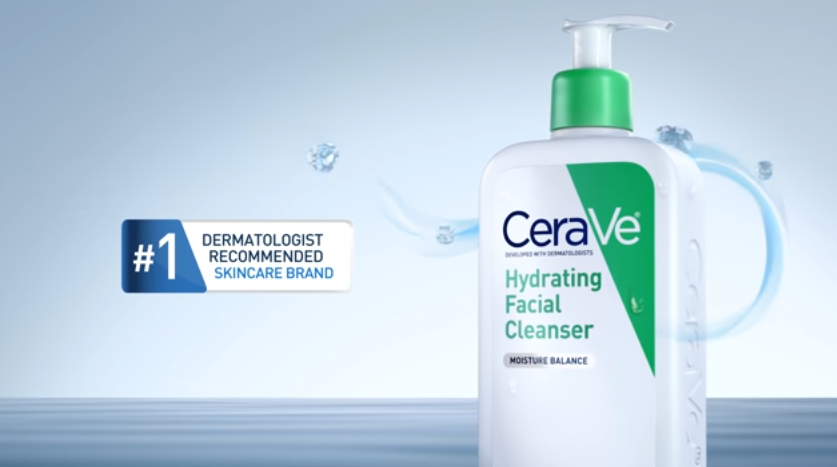
Do dermatologists really recommend CeraVe more than any other skincare brand?
From “cruelty free” to “Made in the USA,” TINA.org finds personal care company’s marketing awash with questionable labels.