
CATrends: Unscented Deodorants and Antiperspirants
Lawsuits allege marketing doesn’t pass the smell test.
Wave of complaints challenge sugar-free claims.
In late July, the Seventh Circuit Court of Appeals revived a class-action lawsuit against Chobani over yogurts it advertises as “zero sugar” but which contain four grams per serving of the sugar allulose.
Under federal regulations, a food can be labeled “zero sugar” or “sugar free” only if it contains less than 0.5 grams of sugar per serving. The appellate court held that “[a]llulose is a sugar under the relevant federal regulation” and that consumers could plausibly be misled by a “zero sugar” label on a product containing four grams of sugar per serving.
Since the ruling, the number of class-action lawsuits challenging sugar-free claims on products containing allulose has exploded.
TINA.org is currently tracking 100 class-action lawsuits filed since the appellate court decision alleging that sugar-free and other similar claims are false and misleading because the underlying products contain allulose. Plaintiffs allege dozens of brands are taking advantage of consumers seeking out products made without sugar. One complaint, filed against Kellogg in August, cites a 2022 survey that found 73% of Americans ages 18 to 80 reported trying to limit or avoid sugar.
A breakdown of everything from many of the products and brands at issue, to when and where the complaints were filed, to the status of the cases as of October 2026, follows.
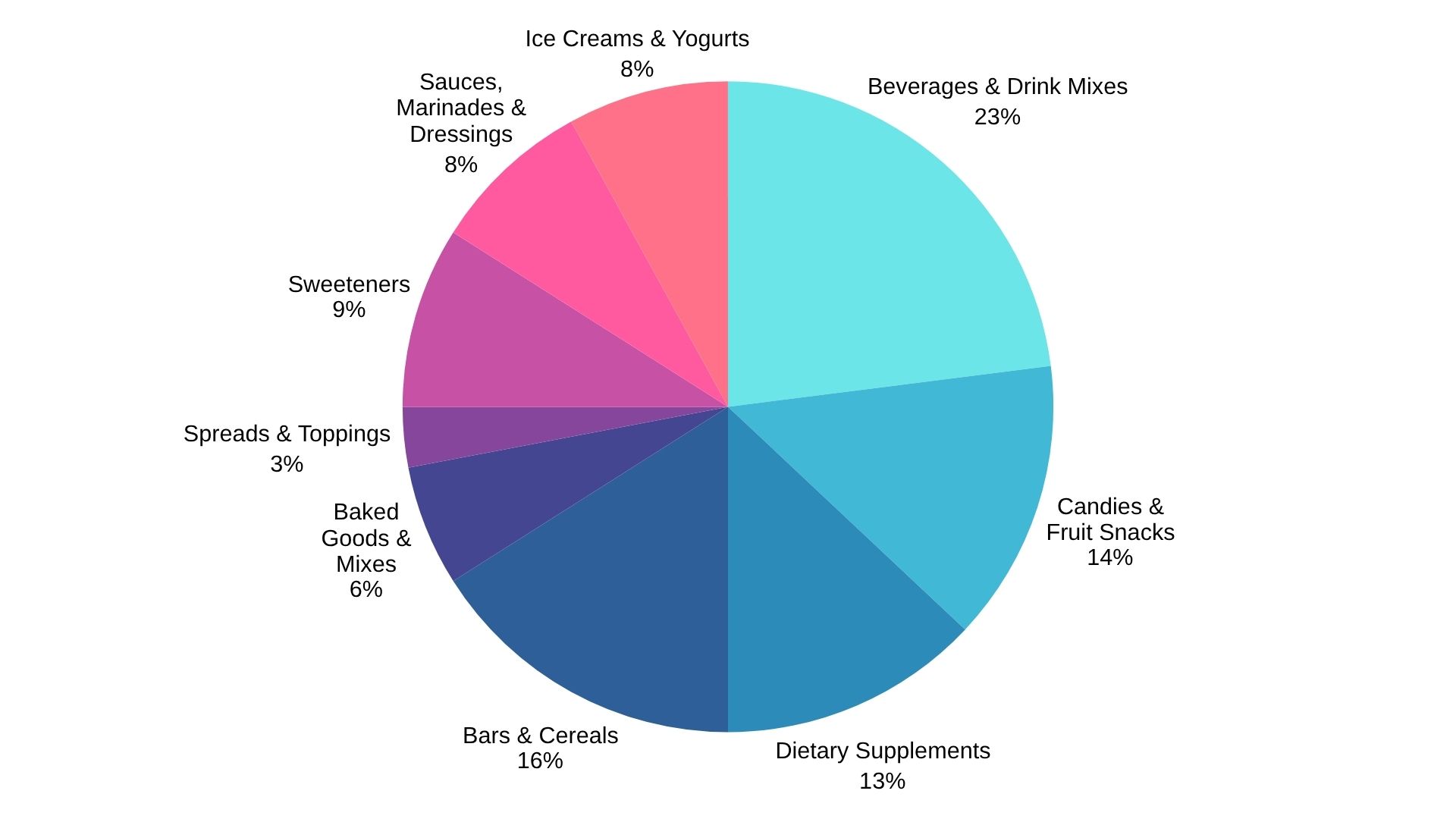
23% of the lawsuits relate to beverages and drink mixes. These include lawsuits alleging:
16% of the lawsuits relate to bars and cereals. These include lawsuits alleging:
14% of the lawsuits relate to candies and fruit snacks. These include lawsuits alleging:
13% of the lawsuits relate to dietary supplements. These include lawsuits alleging:
9% of the lawsuits relate to sweeteners. These include lawsuits alleging:
8% of the lawsuits relate to ice creams and yogurts. These include lawsuits alleging:
8% of the lawsuits relate to sauces, marinades and salad dressings. These include lawsuits alleging:
6% of the lawsuits relate to baked goods and mixes. These include lawsuits alleging:
3% of the lawsuits relate to spreads and toppings. These include lawsuits alleging:
Relatedly, TINA.org is also tracking several class-action lawsuits alleging brands’ low sugar claims are false and misleading because the underlying products contain several grams of allulose per serving.
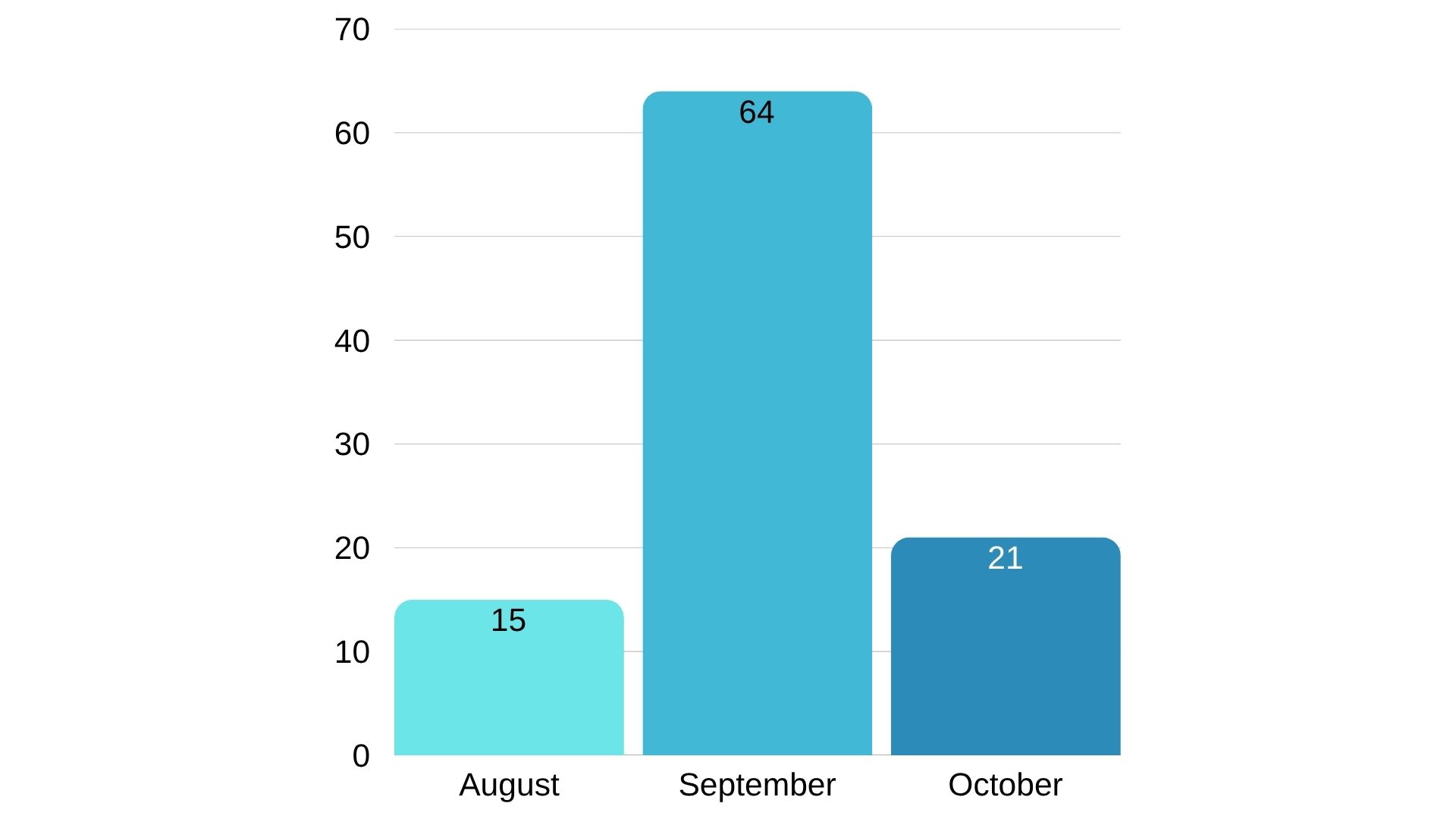
As of Oct. 23, 100 class-action lawsuits had been filed in federal court over false and misleading sugar-free claims for products containing allulose. There was a surge in cases in September as the below chart illustrates.
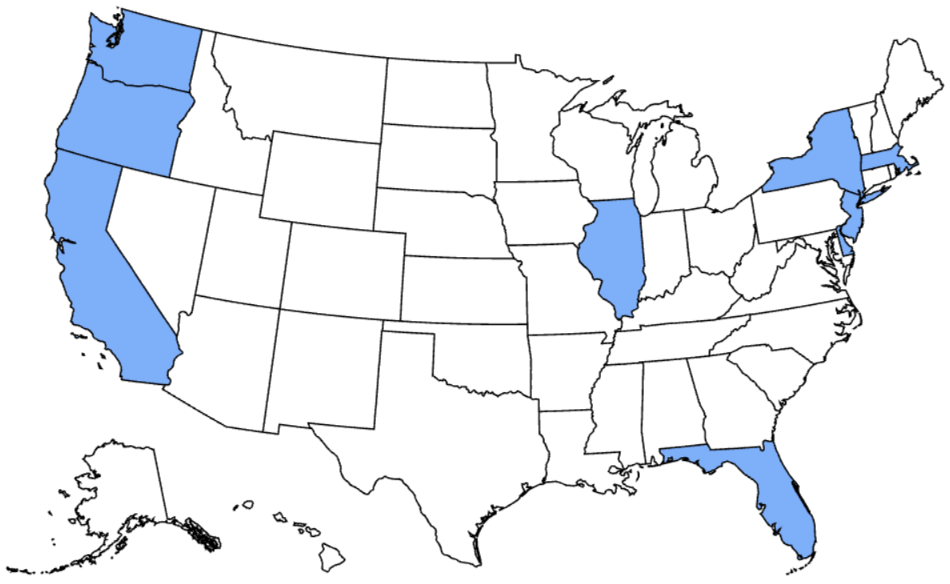
Complaints have been filed in nine states by 44 different law firms. 37% of the lawsuits were filed in California, 31% of the cases were filed in Illinois and 16% of the lawsuits were filed in New York. The remaining lawsuits were filed in Delaware, Florida, Massachusetts, New Jersey, Oregon and Washington.
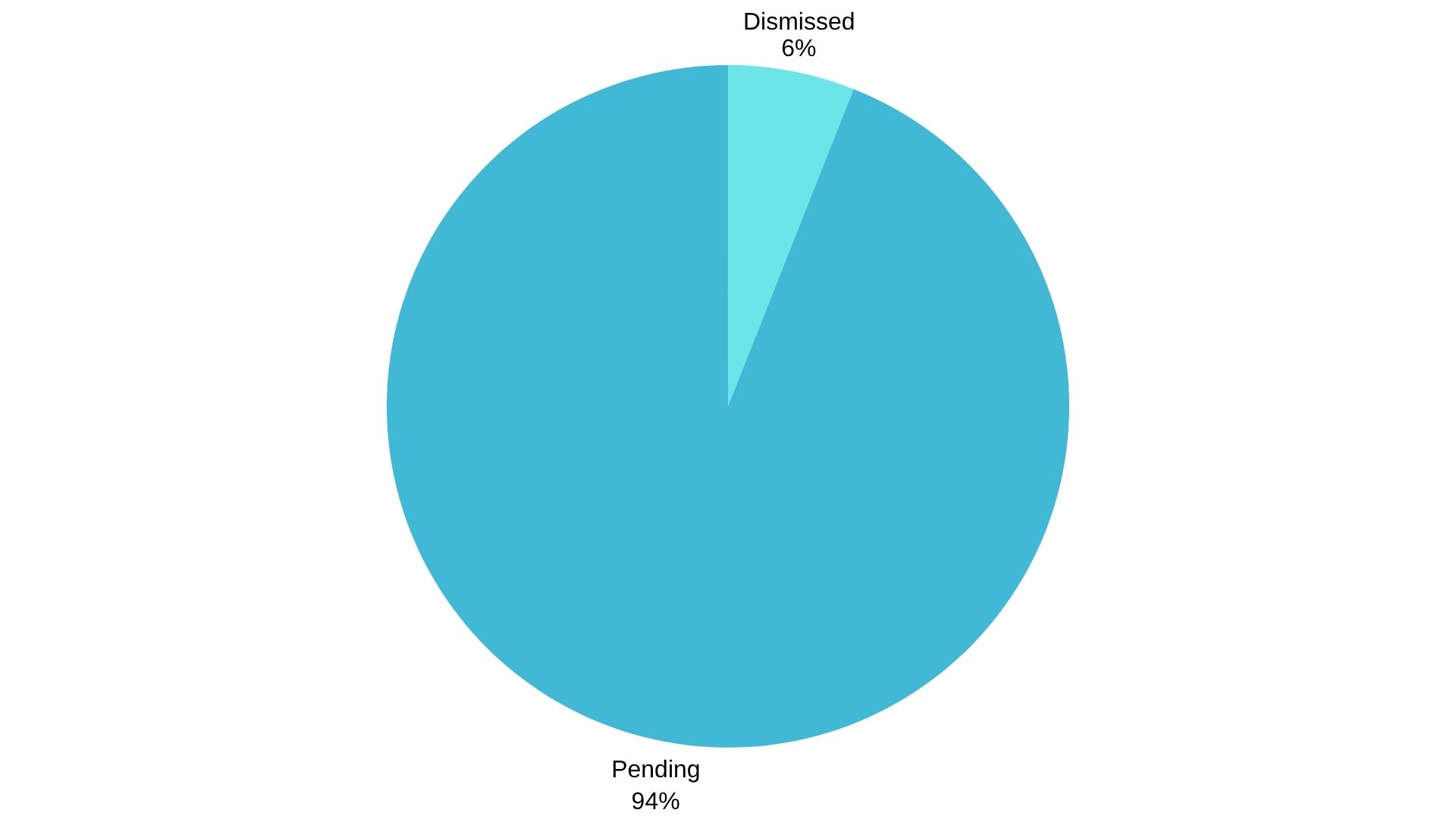
A vast majority of the lawsuits remain pending. As of Oct. 23, only six of the lawsuits had been dismissed.
This is likely only the beginning of this class-action trend. Check back for updates as we continue to monitor these allulose lawsuits.
Lawsuits allege marketing doesn’t pass the smell test.
Lawsuits allege foods and beverages aren’t as healthy as you might think.
Class-action lawsuits target preservative-free claims.