
Best Reader Tips of 2025
Consumer complaints worth remembering.
Lawsuits allege marketing doesn’t pass the smell test.
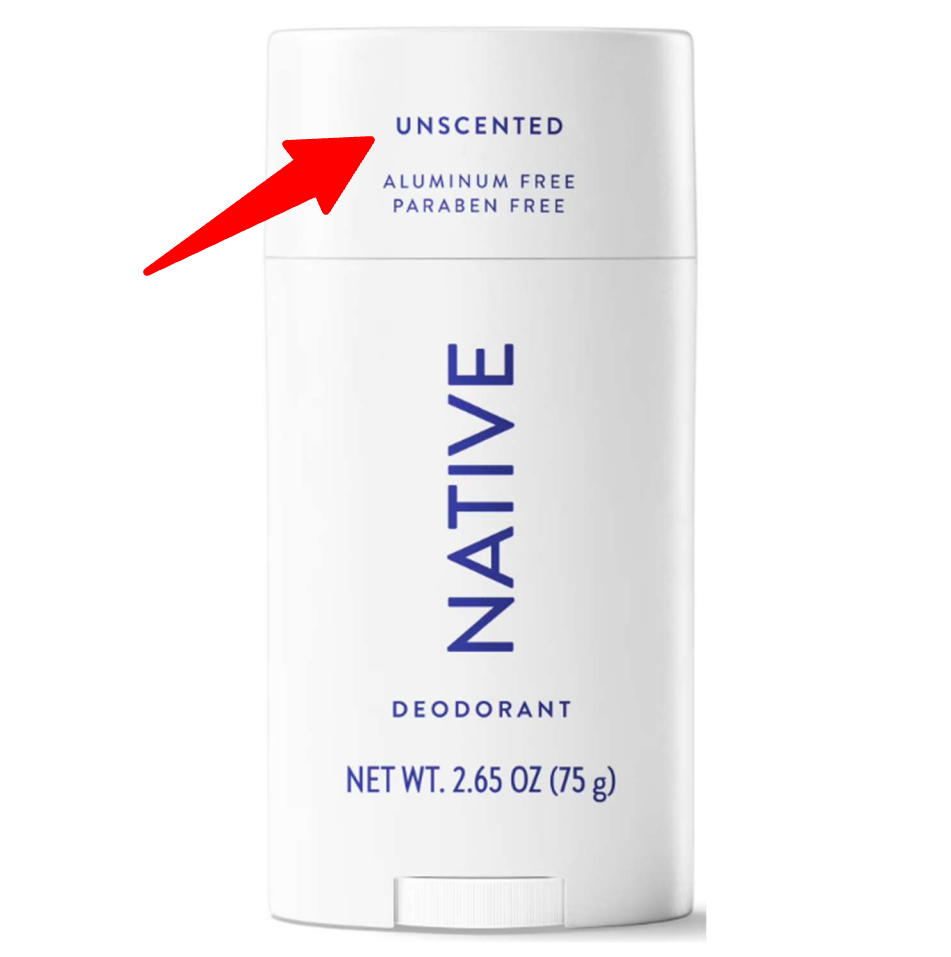
These unscented deodorant and antiperspirant claims are the pits.
That’s according to a recent trend in class-action lawsuits against a number of deodorant and antiperspirant brands marketing their products as “unscented” despite the presence of fragrance or fragrance ingredients.
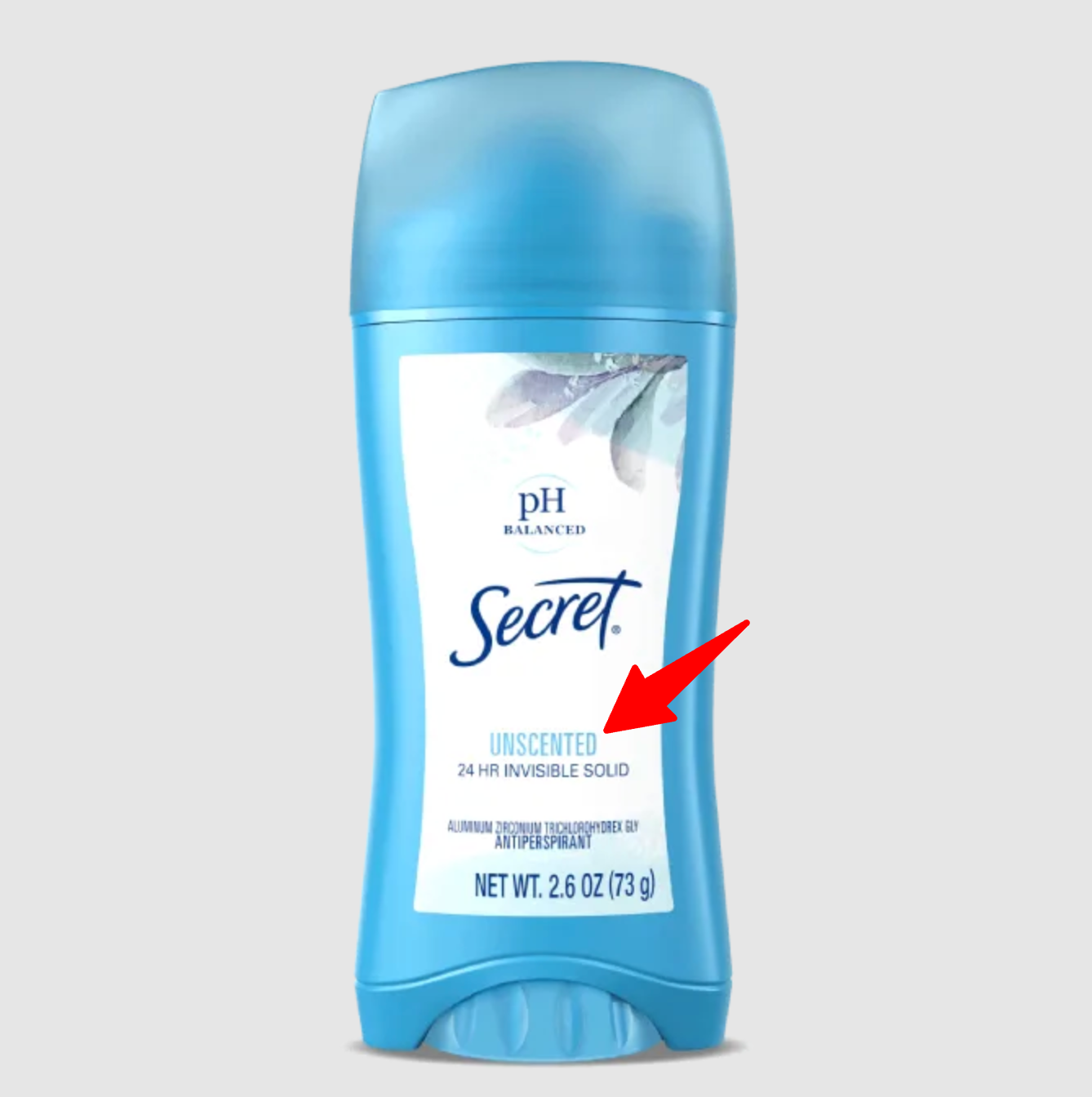
“Consumers are increasingly seeking out ‘unscented’ or ‘fragrance-free’ formulations for personal care products because of increasing consumer awareness of skin and allergen sensitivities,” states a lawsuit filed in May against Procter & Gamble over its marketing of Secret deodorant and antiperspirant. (P&G also owns Native, another deodorant brand named in litigation.)
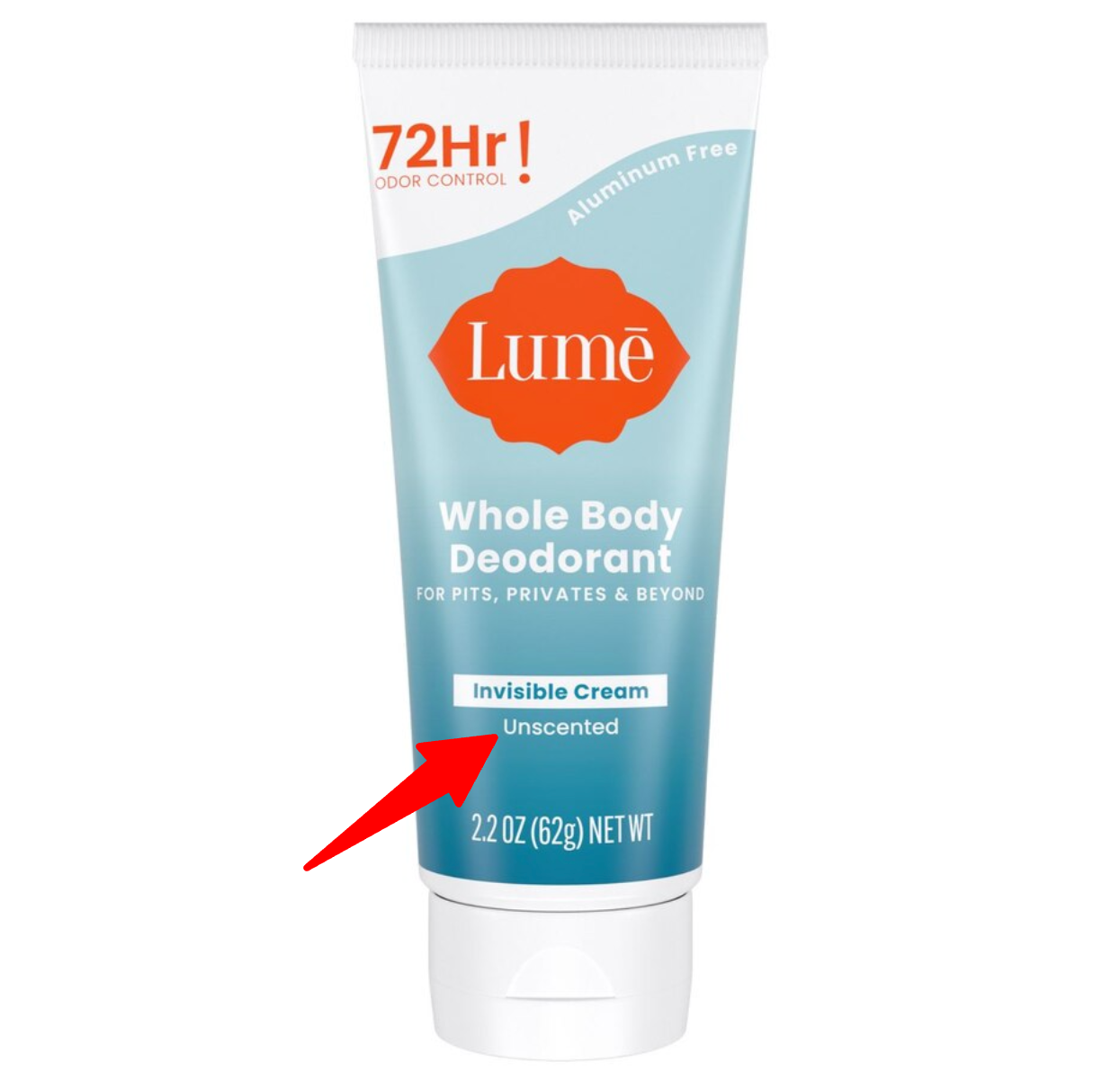
Other consumers are looking for a deodorant that “does not interfere with the fragrance of their perfume or cologne of choice,” a complaint filed against Lume in June claims. Whatever the reason, consumers do not expect that a deodorant or antiperspirant labeled “unscented” contains fragrance or fragrance ingredients, the lawsuits allege.
And sometimes it’s not as simple as checking the ingredients list on the back label and searching for “fragrance.”
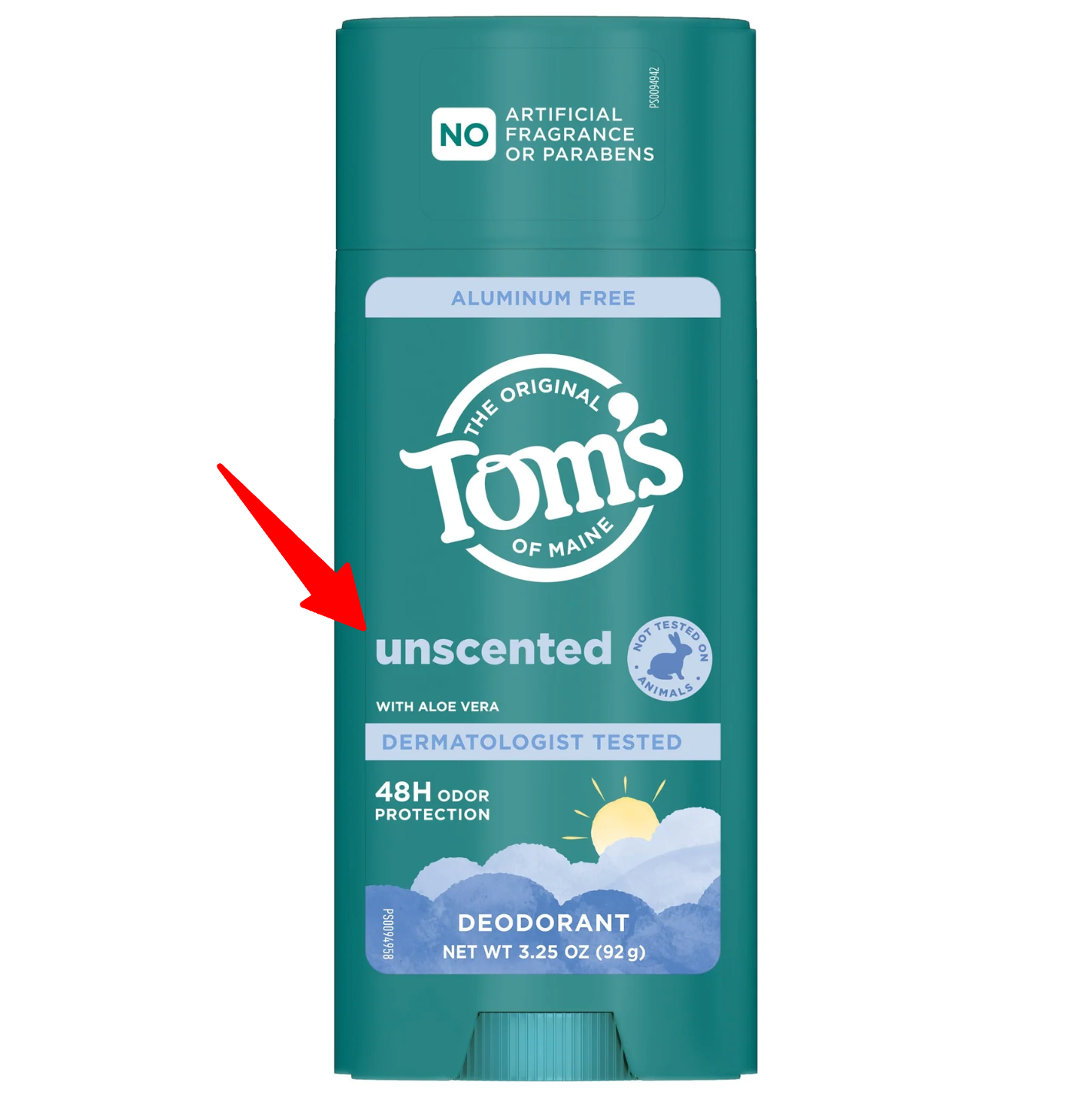
The alleged fragrance ingredient in Tom’s of Maine’s “unscented” deodorants, for example, is Cymbopogon flexuosus oil, aka lemongrass oil, “which has a ‘strong’ ‘earthy, citrus scent,’” according to a lawsuit filed against the company in July.
[A]verage consumers do not know what Cymbopogon flexuosus oil is. Reading the ingredient list is thus insufficient to inform them the Product contains fragrance and is therefore not unscented.
Similarly, the alleged fragrance ingredient in Lume’s “unscented” deodorants is listed as floral pyranol, which the lawsuit describes as “a synthetic aroma chemical,” and appears “in the midst of a long list of unfamiliar compounds.”
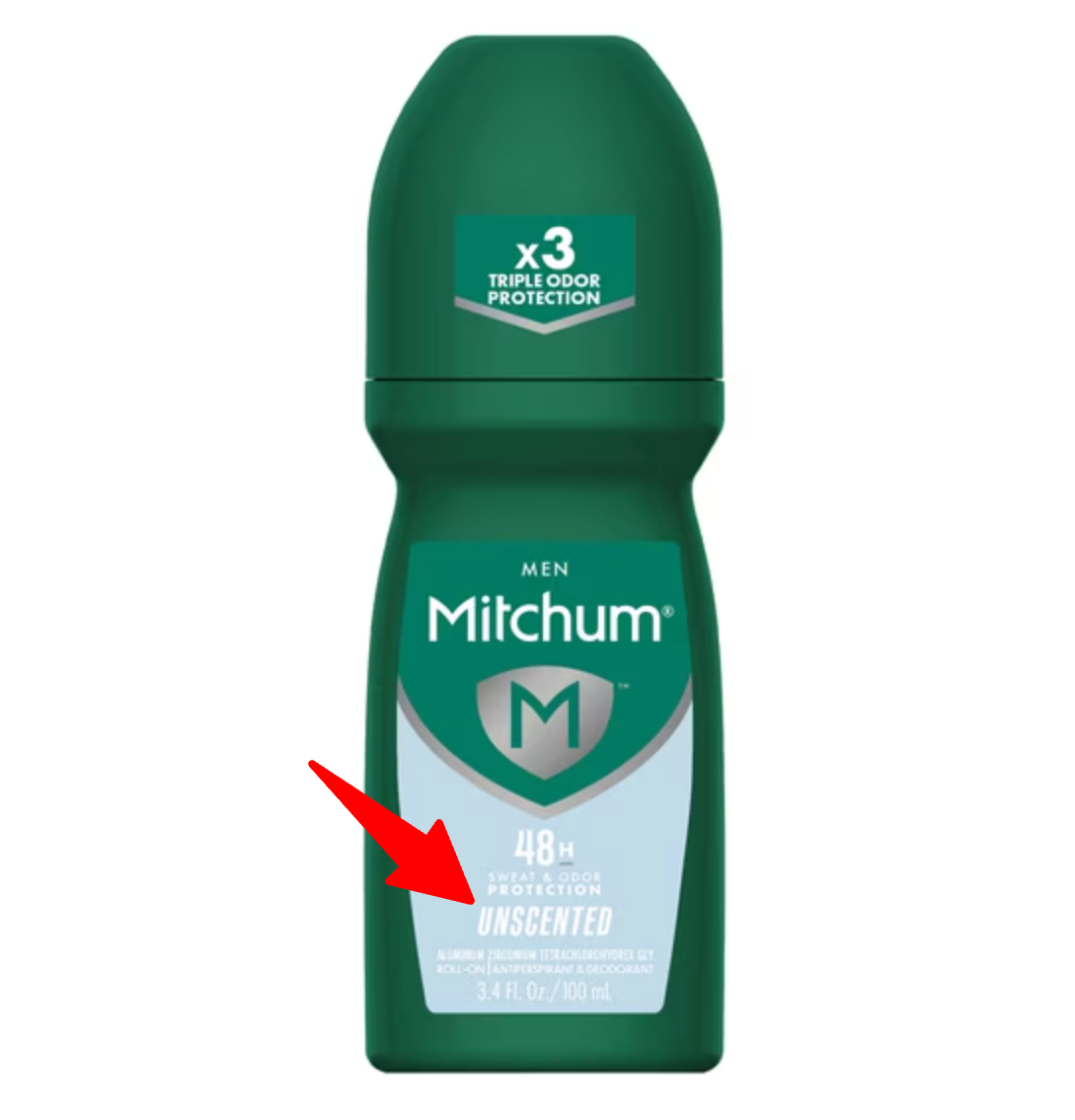
Mitchum, meanwhile, only discloses the active non-fragrance ingredient in its “unscented” roll-on deodorant on the back label, according to two lawsuits filed against parent company Revlon in June. To see the other ingredients, including “Parfum (Fragrance),” consumers have to peel back the label to reveal additional product information, the complaints allege.
Other “unscented” deodorant and antiperspirant brands named in litigation include Ban, Mando (owned by Lume) and Arm & Hammer.
As of October, at least 10 lawsuits have been filed alleging false unscented claims. The majority of the cases are pending.
Find more of our coverage on deodorants and antiperspirants.
Consumer complaints worth remembering.

A rash of lawsuits allege companies are misleading consumers.

A deceptive marketing trend takes root.