How the Passport Courier Industry Deceives Consumers
TINA.org calls on regulators to crack down on rampant deceptive marketing among registered couriers.
February 2015: The named plaintiff voluntarily dismissed this lawsuit. The lawsuit was dismissed with prejudice, meaning that the plaintiffs cannot refile. The reasons for the dismissal have not yet been disclosed.
November 2014: A class-action lawsuit was filed against ProSupps USA for allegedly misrepresenting the amount of whey protein in ProSupps PS Whey. According to the complaint, the company uses a practice called “protein-spiking” (i.e., adding non-protein ingredients, such as amino acids, to increase the nitrogen content, which makes it seem like it contains more protein than it has) and, as a result, the company misleadingly represents that the product has 24 grams of protein per serving when, in reality, it only has 17.589 grams of protein per serving. (Mena et al v. ProSupps USA, LLC, Case No. 14-cv-02748, S. D. CA.).
For more information about other class-action lawsuits regarding “protein-spiking” and TINA.org’s coverage of the issue, click here.
TINA.org calls on regulators to crack down on rampant deceptive marketing among registered couriers.
Think twice before paying a private passport courier.

Roblox sends players on an ad-venture.
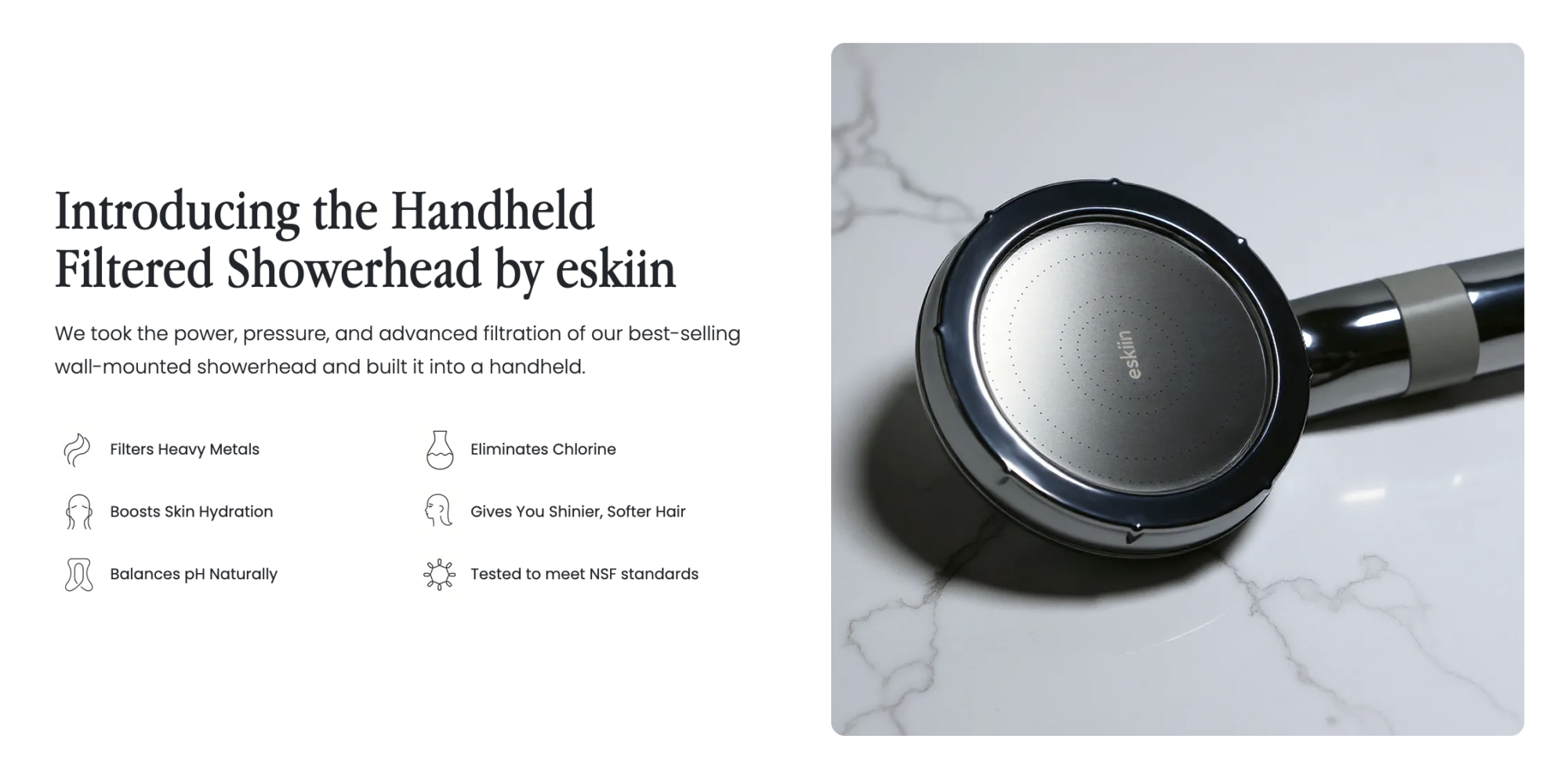
Send these marketing claims to the shower.

A proposed rule change could make it harder to know what you’ll actually pay for a flight.