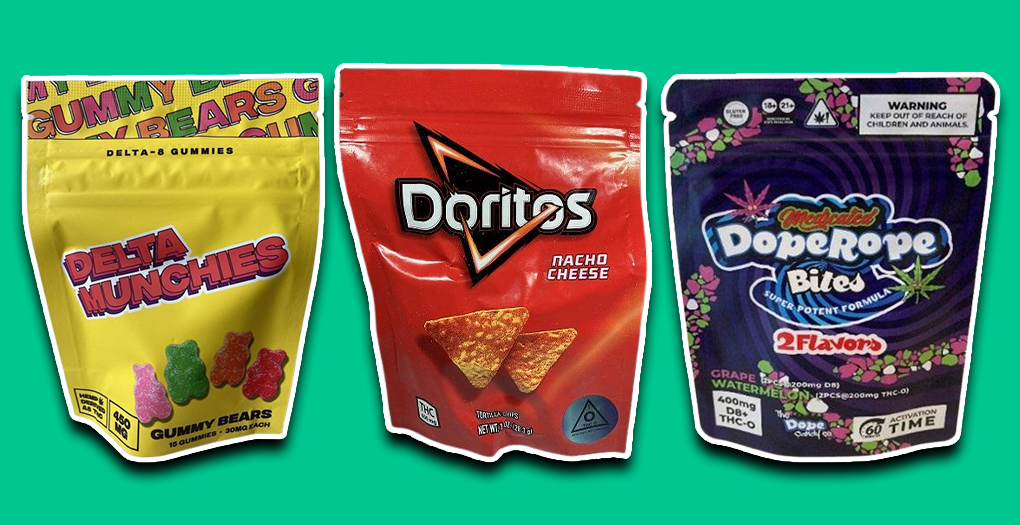
FTC, FDA Tackle Misleading Marketing of Dangerous Products to Kids — Again
First, e-liquids. Now, THC edibles. Will energy drinks be next?
In April 2016, a state judge granted final approval of a settlement of a false advertising class-action lawsuit against MartizMayer Laboratories. The complaint alleges that the company deceptively labeled Garcinia Cambogia 1300 and Garcinia Cambogia 75 as a weight loss treatment that “Supports Appetite Control” and “Inhibits Fat Production” without scientific evidence to support such claims. According to the settlement terms, class members with proof of purchase will receive a full refund for up to five products and class members without proof of purchase will receive a $3 refund for each product purchased (for a maximum refund of $9 per household). In addition, the company agreed to make changes to the marketing of the products, including adding the following disclaimer: “Caloric intake restriction and exercise required to obtain desired results. Results may vary.” (Colucci et al v. Private Label Nutraceuticals LLC d/b/a MaritzMayer Laboratories, Case No. 1411347, California State Court – Riverside County)
First, e-liquids. Now, THC edibles. Will energy drinks be next?
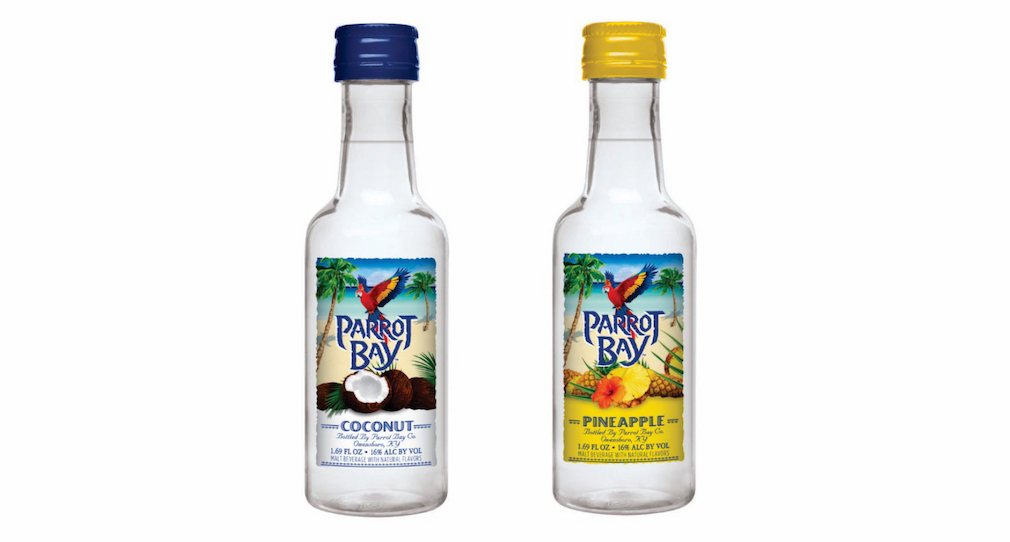
Lawsuit accuses spirits giant of peddling “pseudo-liquors.”
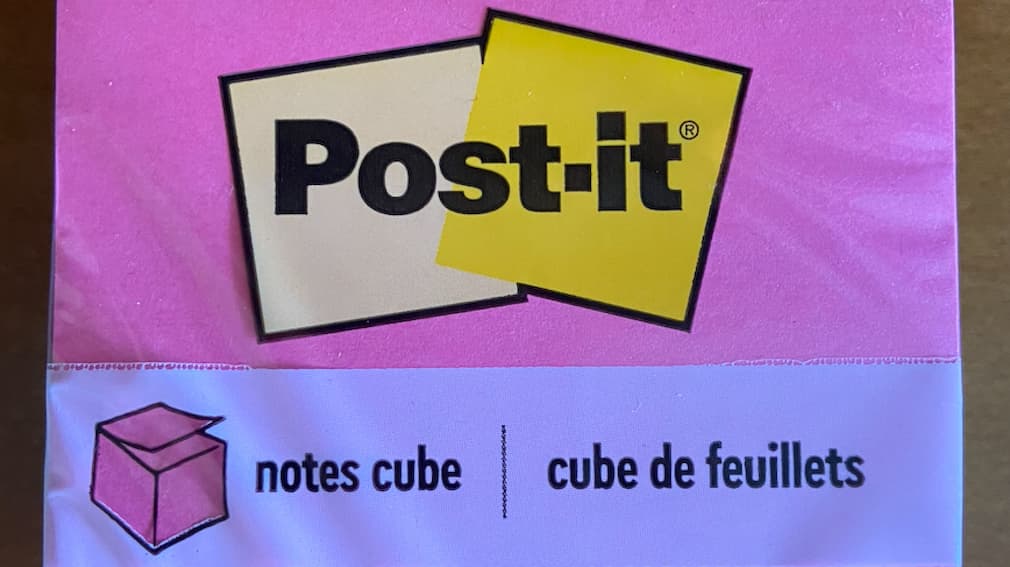
Jot this down: These Post-it notes aren’t cubes.
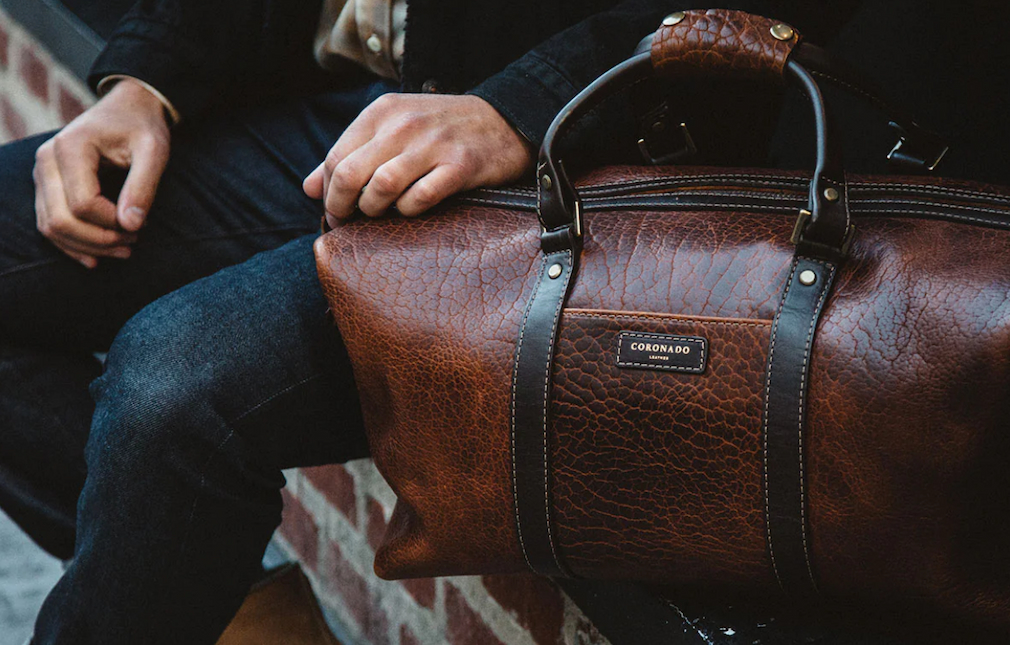
Consumers need to do their research when they see leather products advertised as made in USA.
Why is Secret making a big deal out of something that is true of all deodorants?