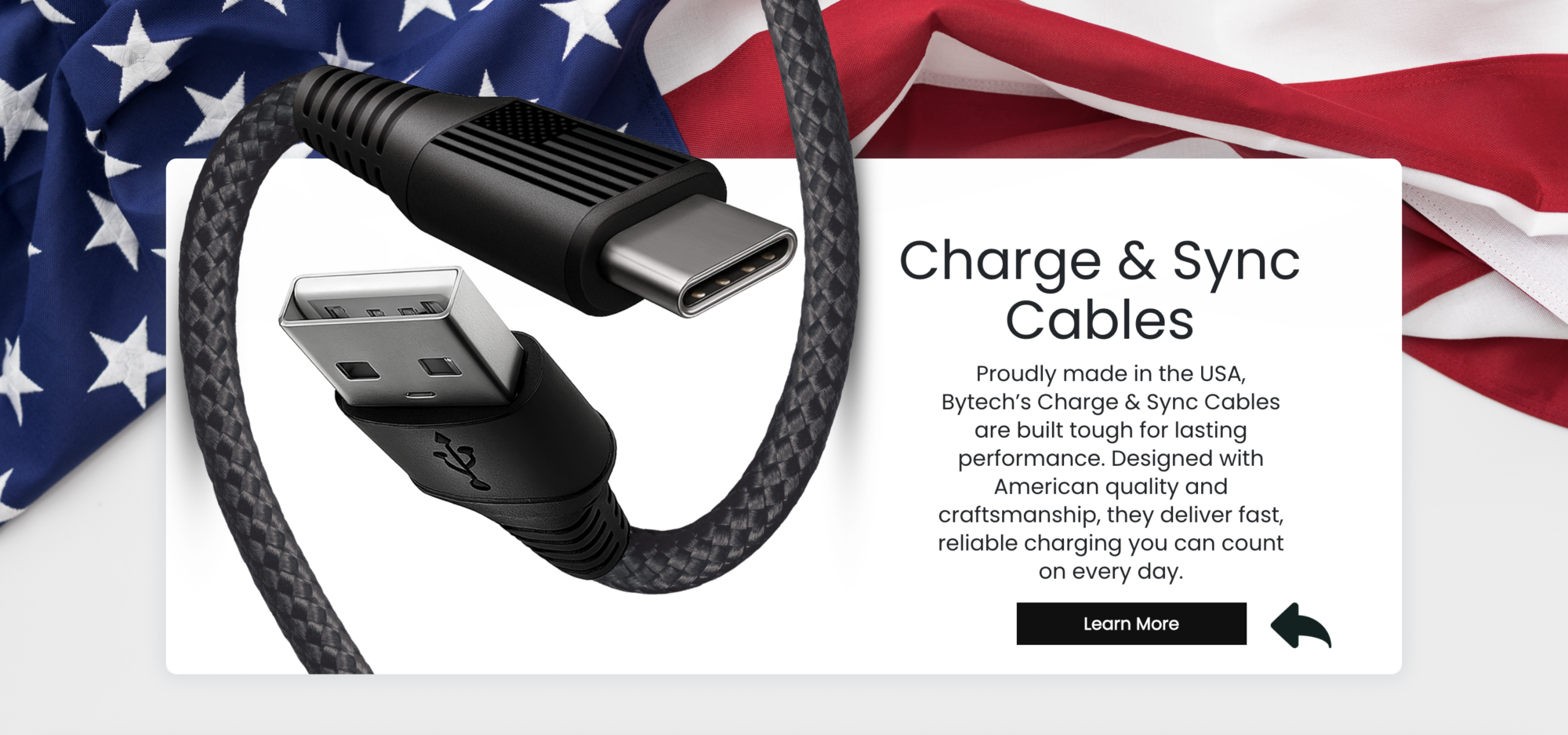
Bytech America’s Made in USA Claims
Marketing and reality are not in sync.
August 2015: A state judge preliminarily approved the proposed settlement of this lawsuit. A final fairness hearing is scheduled for December 2, 2015. For more information, go to https://www.erratchuflowersettlement.com/.
July 2015: The parties in a false advertising class-action lawsuit against FTD.COM Inc., a website that markets and sells floral arrangements, reached a settlement agreement and filed a motion for preliminary approval. The complaint, which was also filed in July 2015, alleges that the website provides a picture and description of the flowers and floral arrangements without adequately disclosing its “substitution policy” (which provides that it can change the flowers, the colors of the flowers, or the vase) and, as a result, the flower arrangements sent to recipients may be very different from the ones advertised on the website. According to the proposed settlement terms, class members may receive a refund of $8.50 or a $20 coupon to be used on a future purchase on the website. In addition, the company agreed to “enhance” the disclosures on the website by, among other things, including a tab and hyperlinks that will take consumers to the substitution policy. (Erratchu et al v. FTD.COM Inc. and Does 1-10, Case No. BC589687, Superior Court of the State of California, County of Los Angeles)
Marketing and reality are not in sync.

New study opens the floodgates to class-action litigation.
Agency alleges MLM misled recruits about earnings, pressured distributors to buy products and encouraged fake retail sales.
MADISON, CONN. Sept. 14, 2026 – Need a passport? Be wary of paying a passport courier for help, according to consumer advocacy group truthinadvertising.org (TINA.org). After a lengthy investigation, the…
TINA.org calls on regulators to crack down on rampant deceptive marketing among registered couriers.