
CATrends: Chips Made with Avocado Oil
New study opens the floodgates to class-action litigation.
November 2014: A federal judge granted final approval of the settlement agreement.
September 2014: A federal judge preliminarily approved the settlement agreement.
August 2014: The parties moved for preliminary approval of a settlement to a class-action lawsuit against ConAgra Foods. The complaint, which was originally filed in 2012, alleges that ConAgra misleadingly represents the amount of sodium contained in David® Sunflower Seeds. Among other things, plaintiffs claim that the product’s packaging lists the amount of sodium in the sunflower seed’s kernel without adequately disclosing the total amount of sodium contained in both the sunflower seed’s kernel and outer-shell. According to the settlement terms, ConAgra will change the labels of David® Sunflower Seeds to disclose the sodium contained in both the kernel and the outer-shells. A hearing for preliminary approval of the settlement terms is scheduled for September 8, 2014. (Lilly et. al v. ConAgra Foods, Inc., Case No. 12-cv-00225, C.D. CA.).
For more information about other sunflower-seed related class-action lawsuits and TINA.org’s coverage of the issue, click here.
For more information about other class-action lawsuits filed against ConAgra and TINA.org’s coverage of the company, click here.
New study opens the floodgates to class-action litigation.
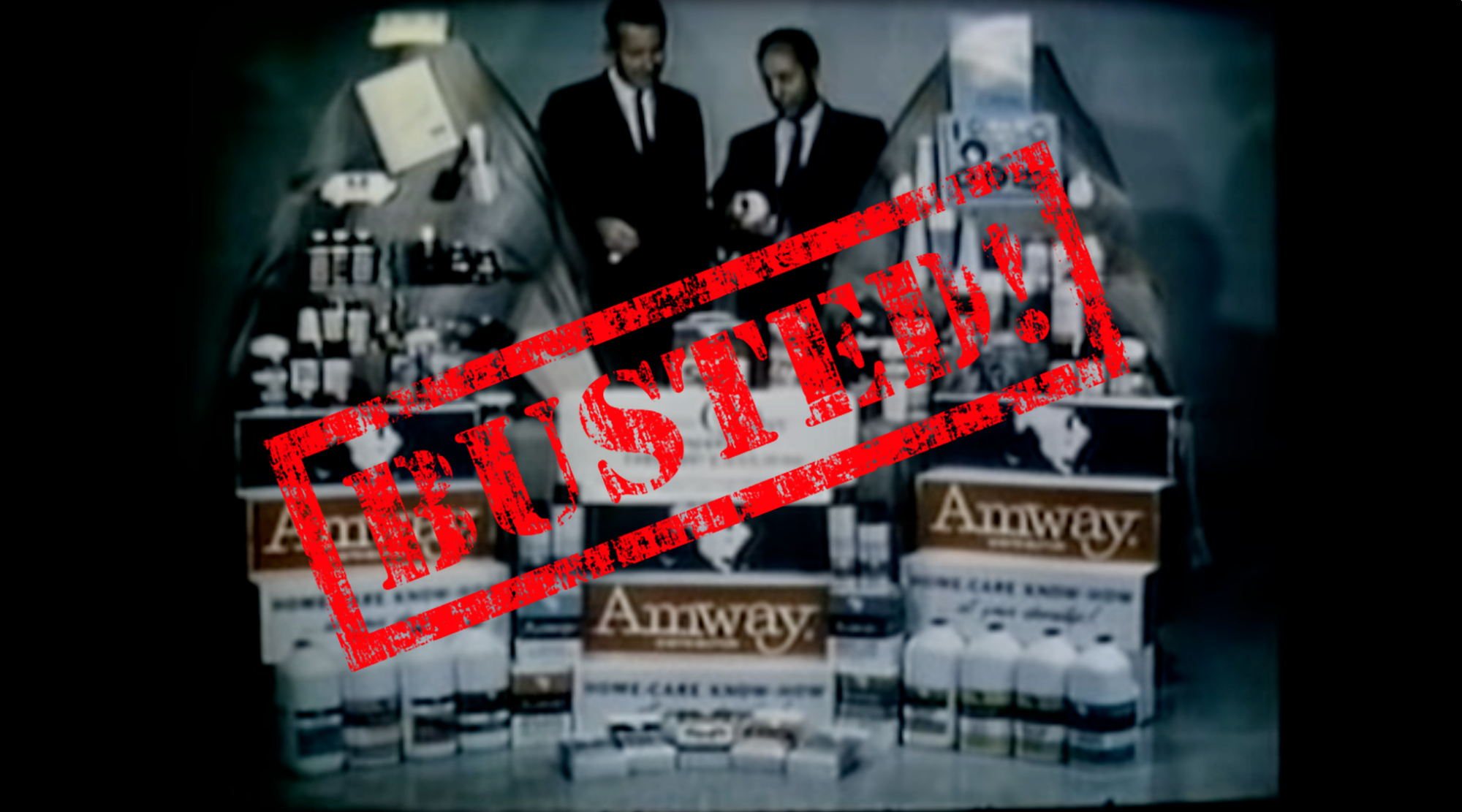
Agency alleges MLM misled recruits about earnings, pressured distributors to buy products and encouraged fake retail sales.

MADISON, CONN. Sept. 14, 2026 – Need a passport? Be wary of paying a passport courier for help, according to consumer advocacy group truthinadvertising.org (TINA.org). After a lengthy investigation, the…
TINA.org calls on regulators to crack down on rampant deceptive marketing among registered couriers.
Think twice before paying a private passport courier.