
CATrends: False and Misleading Protein Claims
Brands named in litigation include SlimFast, Silk and Beyond Meat, among others.
When the sale price is the regular price.
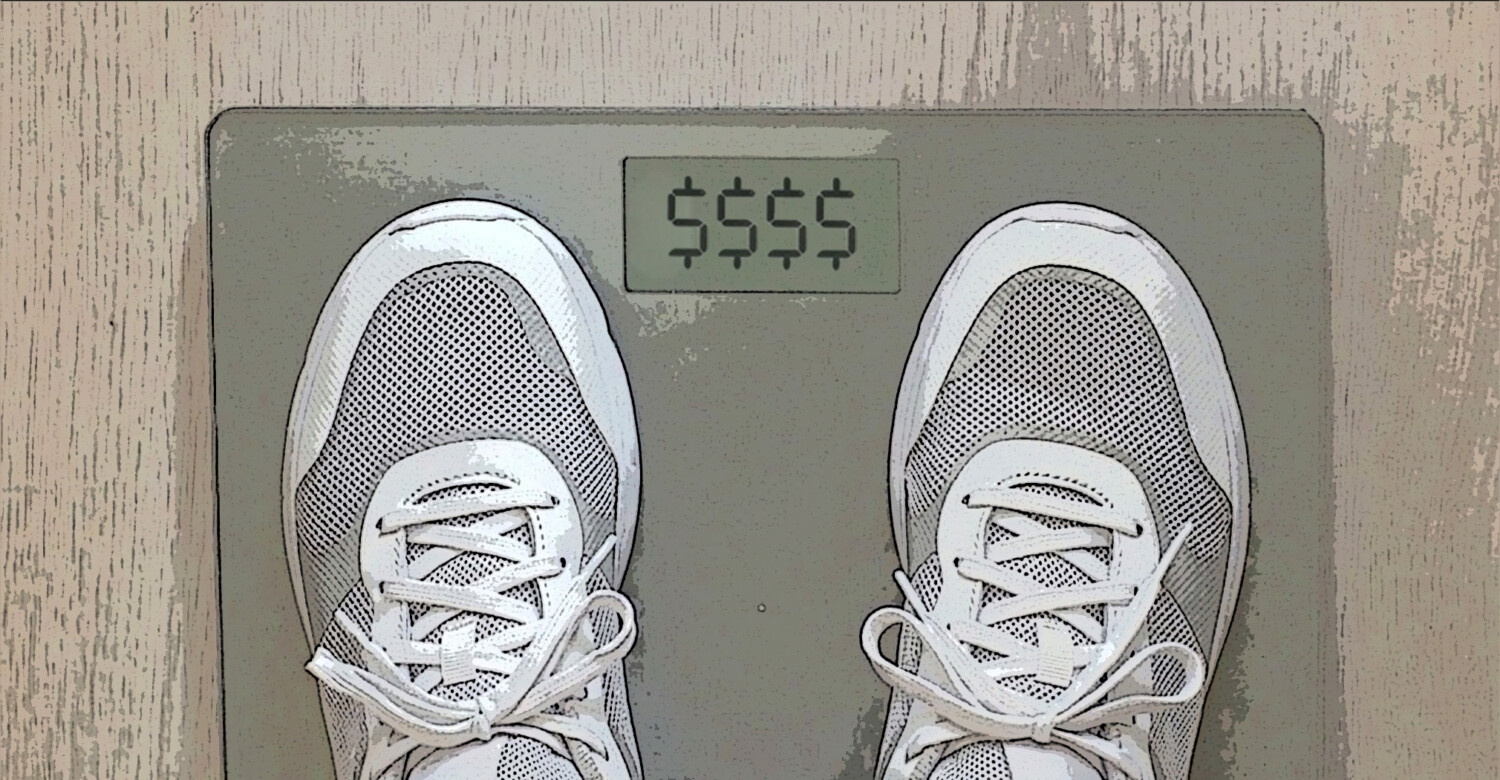
After a long winter, the countdown to summer is here (83 days, but who’s counting?).
For many, that means getting back into a fitness routine. But whether you’re looking to shed a few pounds or get ripped and compete alongside Lil Jon in a Muscle Beach contest, consumers need to be on the lookout for fake discounts.
That’s according to a recent trend in class-action lawsuits alleging companies falsely advertise sales on a variety of fitness and exercise equipment.
For example, a lawsuit filed in February against Hume, the maker of a “smart scale” that tracks body composition, alleges the company artificially inflates its regular prices to advertise purported limited-time discounts as high as 50% off. In reality, though, the sale price is the regular price. The lawsuit states:
Advertised “sale” prices are important to consumers. Consumers are more likely to make purchases if they think that they are getting a discount. Further, if consumers think a discounted price will not last, they are likely to buy immediately, rather than wait, or comparison shop, and ultimately buy something else.
The complaint continues:
While there is nothing wrong with a legitimate sale, a fake sale—that is, one with fake regular prices, fake discounts, and fake expirations—is deceptive and illegal.
A lawsuit against The Pod Company – which makes a number of weight-loss and wellness claims for its pop-up sauna pods – similarly accuses the company of engaging in false reference pricing and misleadingly marketing discounts as only available for a limited time. The complaint cites purported “seasonal sales” for the company’s portable saunas that didn’t actually change with the season:
[I]mmediately after the purportedly time-limited seasonal “Winter Sale” was supposed to have ended, Defendants advertised the exact discount as a “Spring Sale.”
The complaint against The Pod Company was also filed in February by the same California law firm representing plaintiffs in the case against Hume.
Sole Fitness, which makes exercise bikes and treadmills, has also faced lawsuits accusing it of deceiving consumers about its discounts.
According to the FTC, in order for a sale to not be deceptive, the advertised regular or former price must have been “offered to the public on a regular basis for a reasonably substantial period of time.” California law is more precise. It states that the original price must be the prevailing retail price three months preceding the sale.
Find more of our coverage on false reference pricing.
Brands named in litigation include SlimFast, Silk and Beyond Meat, among others.

The pandemic has also triggered lawsuits over privacy issues with some video conferencing apps, and more.

…for now.