Eskiin
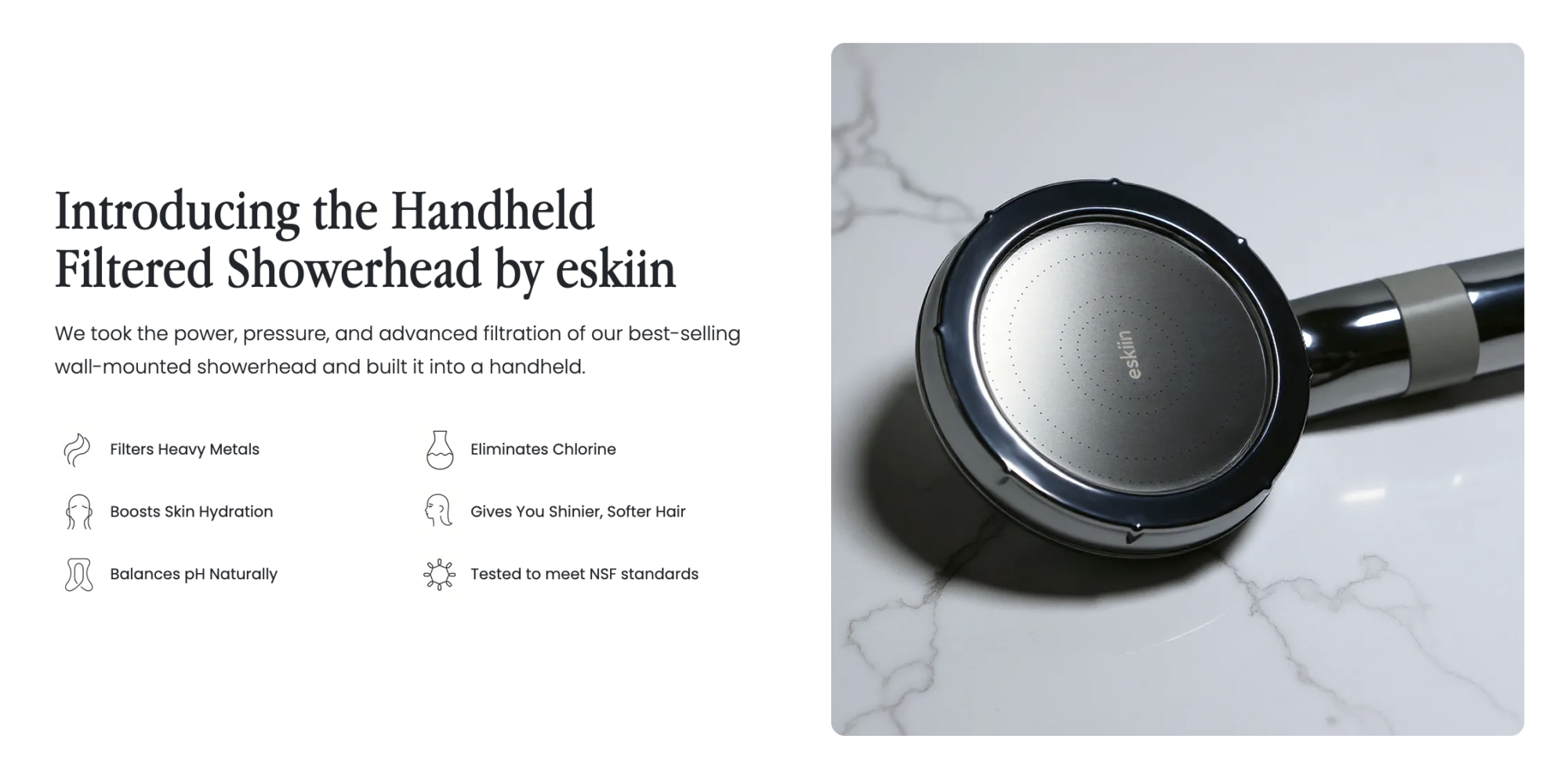
Send these marketing claims to the shower.
December 2015: This action was voluntarily dismissed When a complaint is dismissed with prejudice, it cannot be refiled., the reasons for which have not been disclosed.
March 2015: A class-action lawsuit was filed against Wedderspoon Organic, Inc. for allegedly deceptively marketing mañuka honey products, including Wedderspoon Gold 100% Raw Organic Mañuka Honey and Wedderspoon 100% Raw Mañuka Honey. Specifically, plaintiffs claim that the company deceptively uses “16+” or “12+” mañuka activity ratings to make consumers believe that its honeys have the same level of antibacterial activity as UMF® “16+” or “12+” honeys when, according to the complaint, the Wedderspoon honey’s antibacterial activity level is not the same as UMF® honeys. (UMF® honeys are New Zealand mañuka honeys licensed by the Unique Mañuka Factor® Honey Association.) (Kong et al v. SWCC USA 1234, LLC (formerly known as Wedderspoon Organic USA, LLC) and Wedderspoon Organic, Inc., Case No. 15-cv-1635, E. D. NY.)
Send these marketing claims to the shower.

A proposed rule change could make it harder to know what you’ll actually pay for a flight.

TINA.org unwraps the hidden cost of these gift boxes.
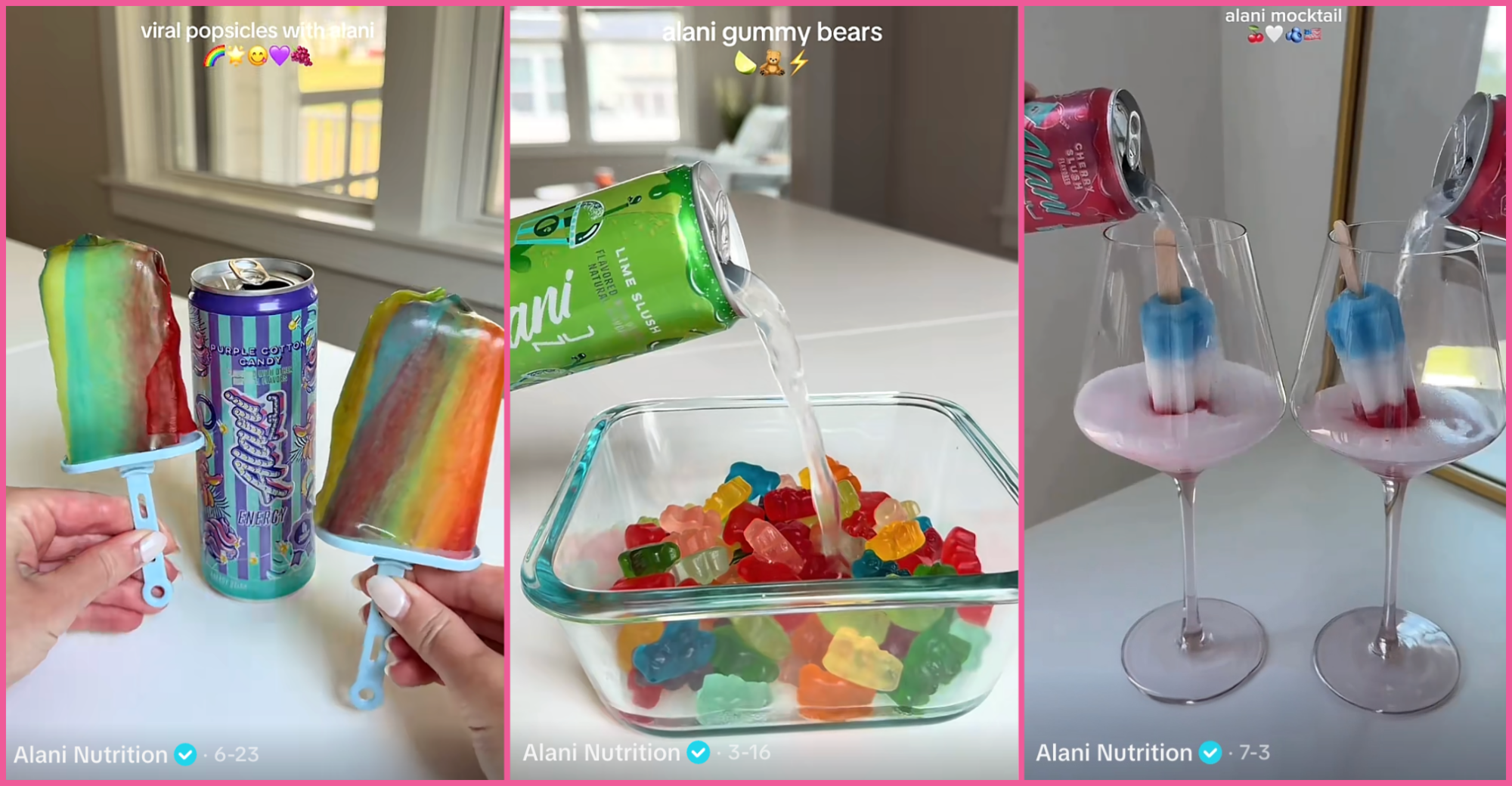
Following lawsuit, Texas AG launches probe into energy drink’s “youth-oriented branding strategies.”

What you need to know about this shady e-commerce site.