
Confession: I Fell for HelloFresh’s ‘Free Breakfast’
A reminder to be careful about ad claims that may seem too good to be true.
In October 2013, a California appellate court revived a class-action lawsuit against Skype Inc. alleging that the company falsely advertised plans as “unlimited.” The complaint, originally filed in May 2011, claimed that the company deceived customers by marketing plans as “unlimited” when the plans actually placed limits on both the number of calls made and minutes used. In April 2012, the trial court dismissed the complaint finding that the company “clearly disclosed the terms of its usage” and the plaintiff agreed to the terms. The appellate court then reversed the trial court’s dismissal finding that a jury should decide the questions of fact including whether a reasonable consumer would be deceived by the representations and whether a reasonable consumer would read the disclosures in fine print. (Chapman et al. v. Skype Inc., Case No. B241398, Court of Appeal of the State of California, Second Appellate District).
A reminder to be careful about ad claims that may seem too good to be true.
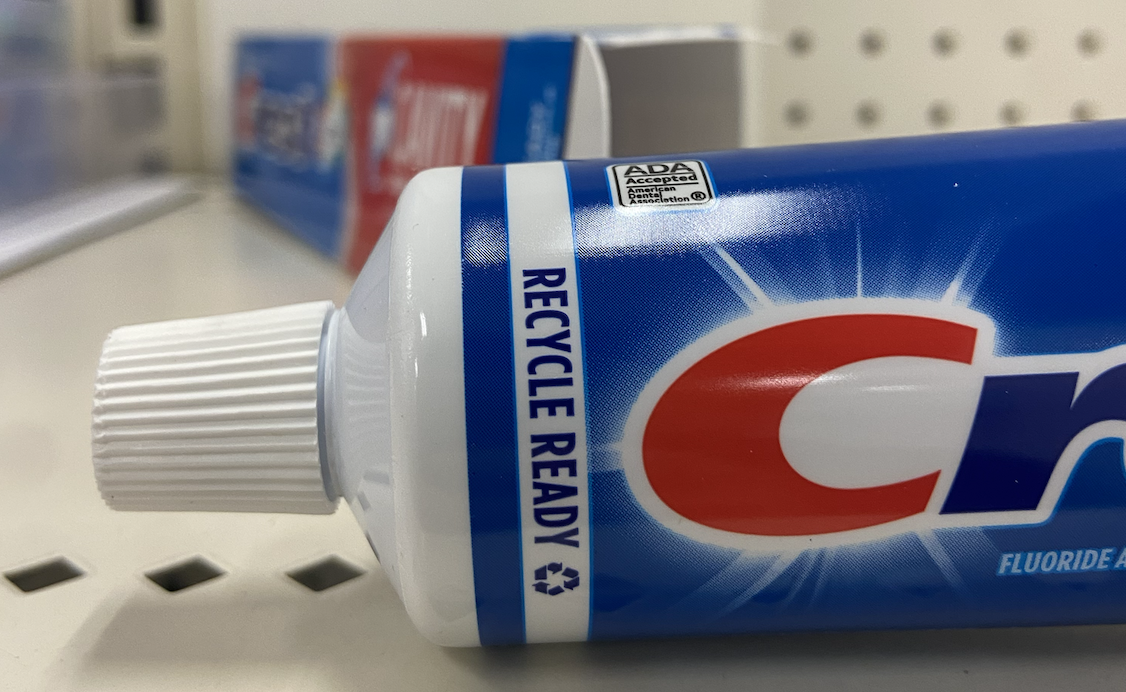
The bottom line? Toothpaste tubes aren’t generally getting recycled.

Lawsuits allege products contain ingredients harmful to coral reefs and marine life.

TINA.org explores the divide between the marketing and the science.

Company walks back composting claim following TINA.org inquiry sparked by self-regulatory ad challenge.