
CATrends: Olive Oils and Olive Oil Blends
Out of the frying pan into court.
In July 2018, a class-action lawsuit was filed against Sambazon, Inc. for allegedly falsely advertising that its Amazon Energy drinks contain “clean caffeine” when, according to plaintiffs, there is no such thing as “clean caffeine.” Plaintiffs also claim that the company markets the drinks as being “rich in antioxidants” without also disclosing the nutrients in the drinks, as required by federal regulations. (Altes et al v. Sambazon, Inc., Case No. 19-cv-1340, C.D. Cal.)
For more of TINA.org’s coverage of energy drinks, click here.
Out of the frying pan into court.

A legacy of adding to consumers’ grief.

Why you may want to walk away from this online retailer.

Fast-fashion retailer’s alleged fake discounts are just the beginning.
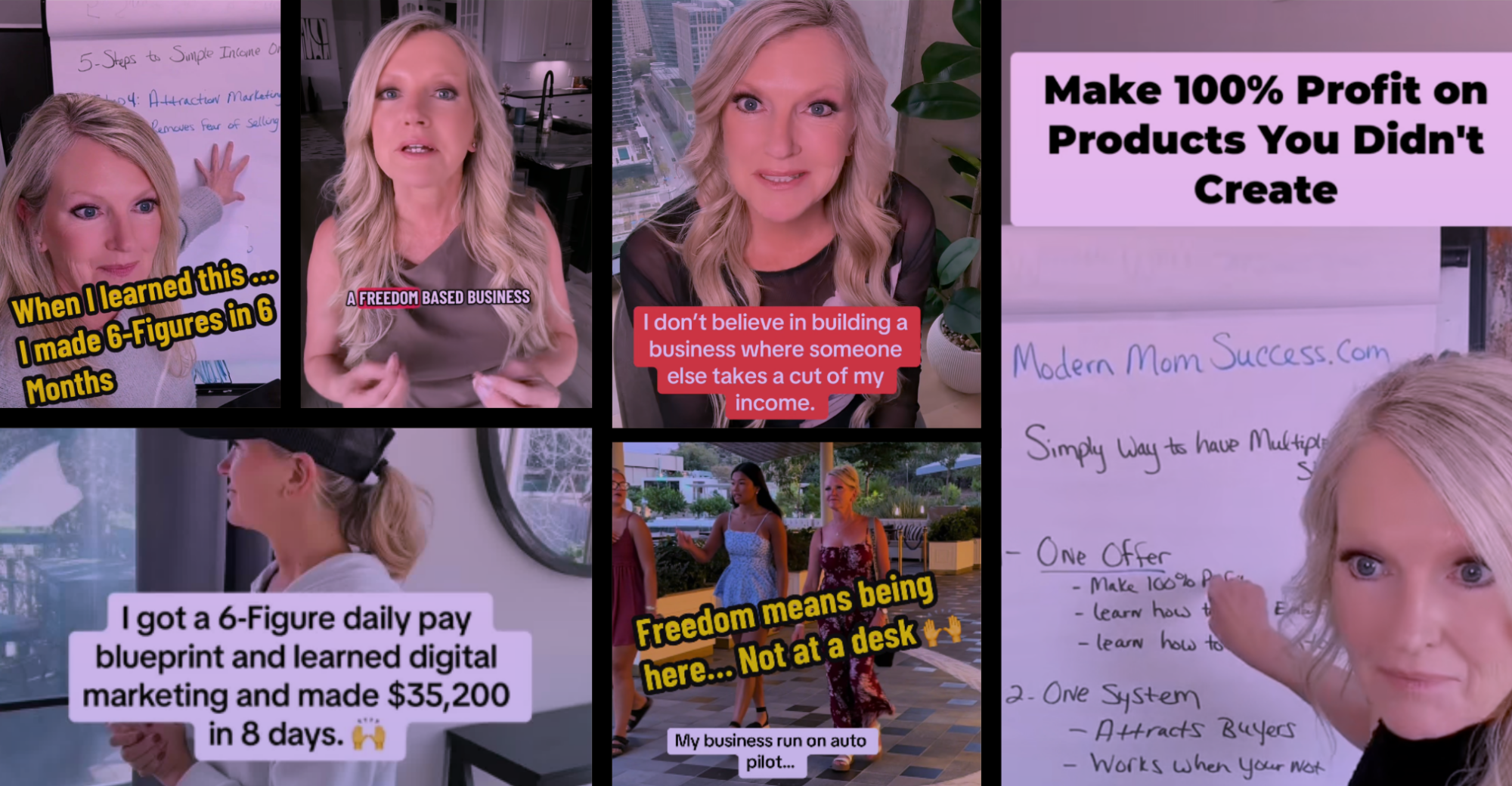
What you need to know about this purported money-making opportunity.