
TINA.org Tells DOT: Don’t Muddy Airline Pricing
A proposed rule change could make it harder to know what you’ll actually pay for a flight.
In April 2014, a class-action lawsuit was filed against the owners of Revel Casino for allegedly deceptively advertising that the casino would refund all losses on slot machines during the month of July 2013 when, in reality, consumers did not receive cash refunds and only received “free slot play coupons” with many restrictions. (Stern et al v. Revel AC, Inc., Revel AC, LLC, Revel Entertainment Group, LLC, and Chatham Asset Management, LLC, Case No. 14-cv-02056, D. NJ.).
For more information about other class-action lawsuits against Revel Casino and TINA.org’s coverage of the casino, click here.
A proposed rule change could make it harder to know what you’ll actually pay for a flight.

TINA.org unwraps the hidden cost of these gift boxes.
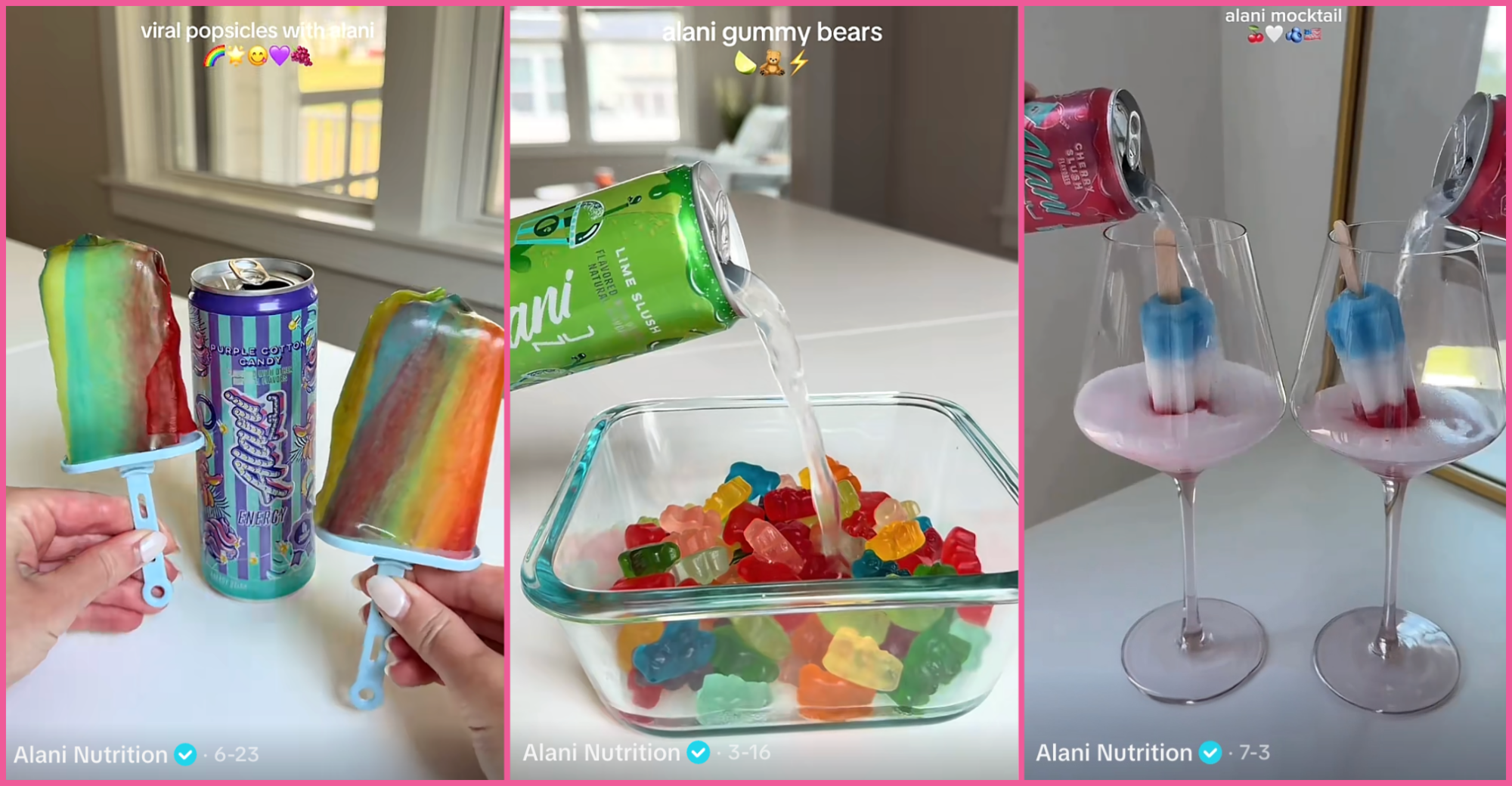
Following lawsuit, Texas AG launches probe into energy drink’s “youth-oriented branding strategies.”

What you need to know about this shady e-commerce site.

It’s all in the family.