
Giant Bicycles’ ‘Shipping Fee’
TINA.org finds bike maker peddling misleading online prices.
In June 2018, a class-action lawsuit was filed against Corelle for allegedly failing to disclose that it began making Pyrex glassware with a different type of glass than it used to use and that the new glass is more prone to cracking, breaking, shattering, and exploding when exposed to extreme temperature changes. Specifically, the complaint claims that, before 1998, the company used borosilicate glass, which is resistant to extreme changes in temperature, to make the glassware and then, in 1998, the company switched to soda lime silicate glass, which is only resistant to much smaller changes in temperature. (Fullerton et al v. Corelle Brands, LLC et al, Case NO. 18-cv-4152, N.D. Ill.)
TINA.org finds bike maker peddling misleading online prices.
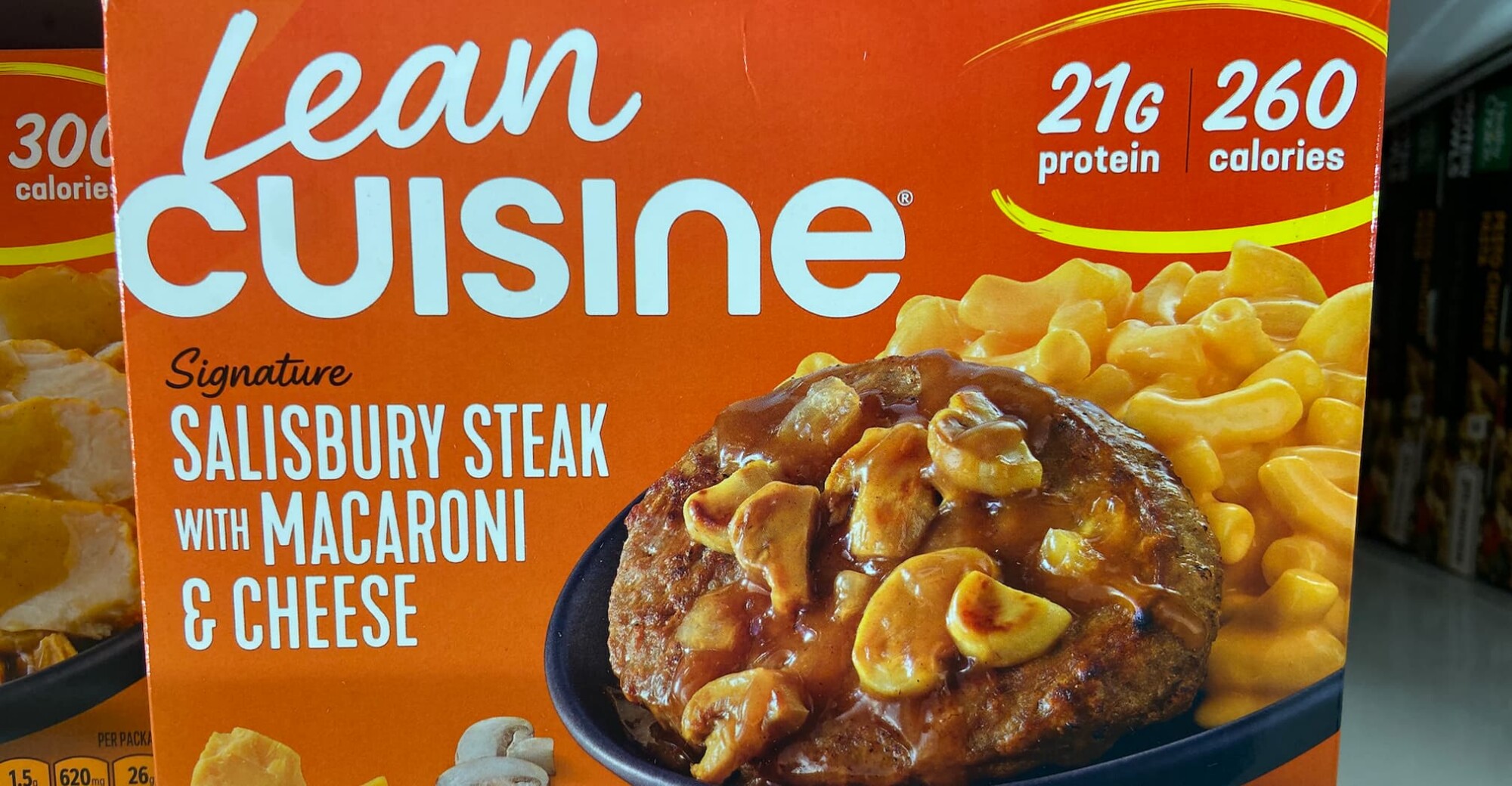
Beef isn’t the only meat on the menu.

Lisa Fickenscher, The New York Post

It’s gotten worse.

How fast cash claims can fast track your money problems.