
Can You Tell Me How to Pay at Sesame Place?
Theme park fails to adequately disclose that it’s a “cashless” operation.
In November 2017, a class-action lawsuit was filed against Wellnx Life Sciences for allegedly falsely advertising Nature’s Science 100% Pure Garcinia Cambogia dietary supplements. Specifically, the complaint alleges that the company markets the product as a weight-loss supplement when, according to plaintiffs, it does not and cannot provide the promised benefits. In addition, the complaint claims that the supplement only contains approximately 26% of the amount of hydroxycitric acid represented on the label. (Choo et al v. Wellnx Life Sciences, Inc. and Platinum US Distribution, Inc. d/b/a Wellnx Life Sciences, USA, Case No. 17-cv-2517, E. D. CA.)
For more information about the weight-loss claims, click here.
Theme park fails to adequately disclose that it’s a “cashless” operation.

Why I’m a fan of this Adidas World Cup ad.

TINA.org joins petition urging FTC to require consent and opt-out for gambling marketing.
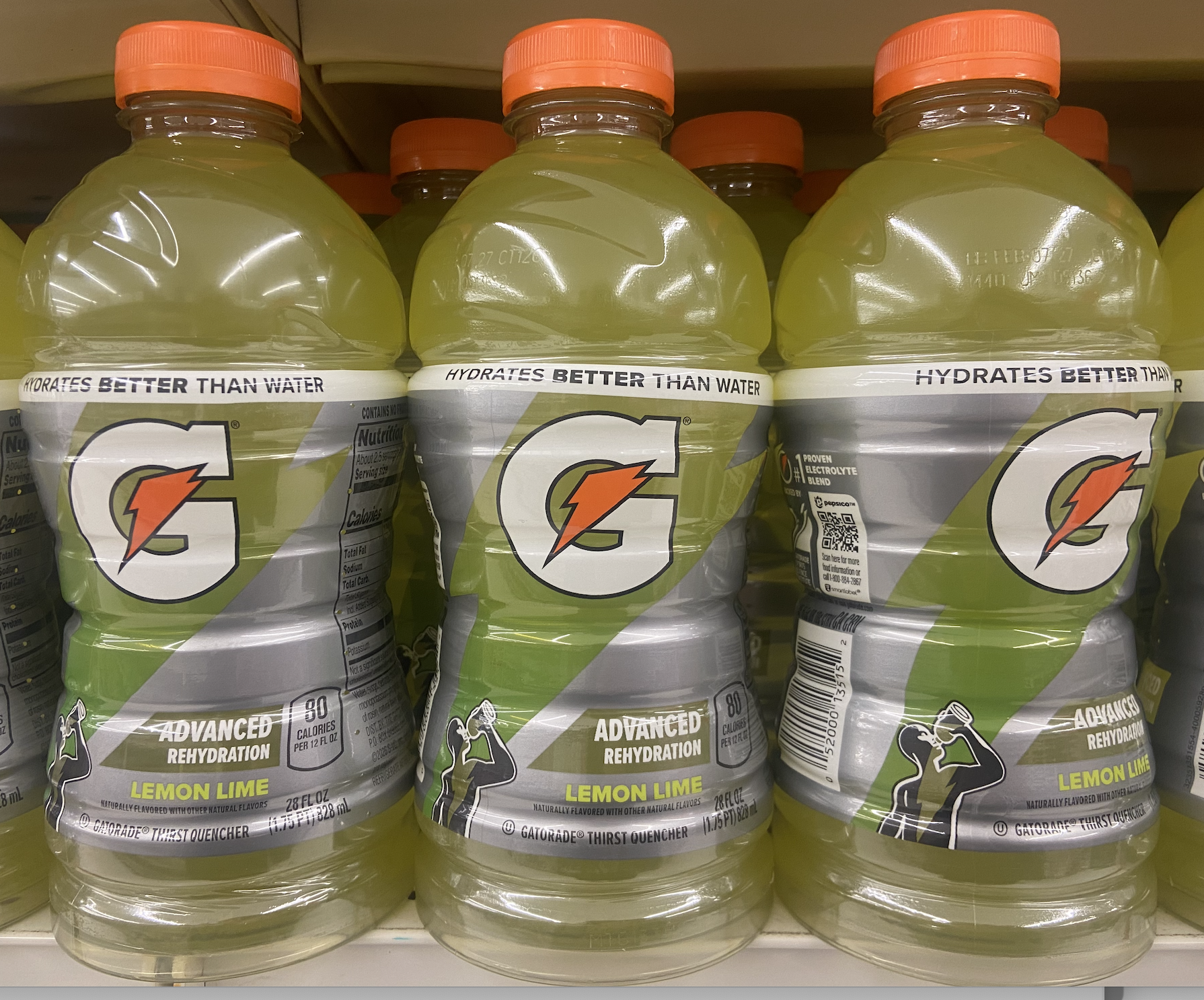
Lawsuits takes aim at sports drinks’ superior hydration claim.

Esther Lian, Inc.com