
Confession: I Fell for HelloFresh’s ‘Free Breakfast’
A reminder to be careful about ad claims that may seem too good to be true.
After agreeing to settle FTC charges that it violated federal law by falsely marketing its Frosted Mini-Wheats as “clinically shown to improve kids’ attentiveness by nearly 20%,” Kellogg was hit with a class-action lawsuit in 2009 that closely mirrored the FTC’s claims of deceptive marketing. (Dennis, et al. v. Kellogg Co., Case No. 3:09-cv-01786-IEG (WMC), S.D.Ca.)
Update: Although Kellogg denied any wrong doing, in August 2009 it agreed to settle the lawsuit for, among other things, $2.75 million in consumer refunds. Information about the purported settlement can be found at www.cerealsettlement.com. However, on July 13, 2012, the appellate court rejected the settlement agreement explaining that it was unfair to consumers, lacked necessary details, and paid the plaintiffs’ attorneys an excessive hourly fee ($2,100/hr).
Update: In May 2013, a California federal judge preliminarily approved a $4-million settlement that would resolve a dispute between Kellogg Co. and consumers who claim the company falsely advertised its Frosted Mini-Wheats cereal’s brain-boosting power.
A reminder to be careful about ad claims that may seem too good to be true.
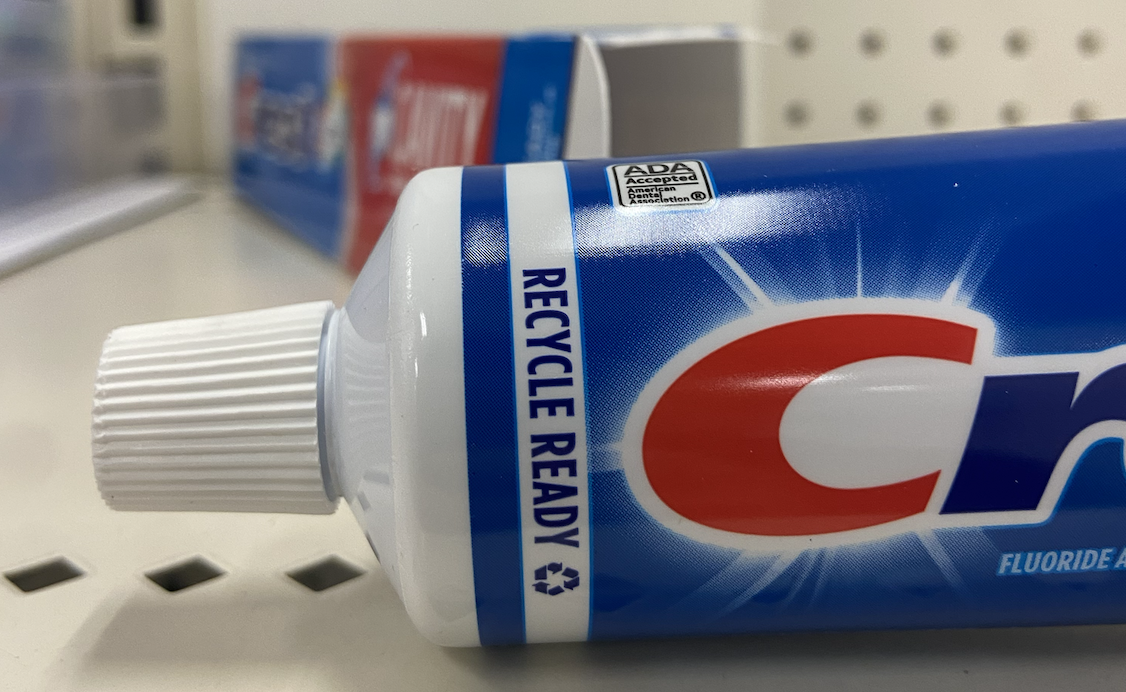
The bottom line? Toothpaste tubes aren’t generally getting recycled.
Lawsuits allege products contain ingredients harmful to coral reefs and marine life.
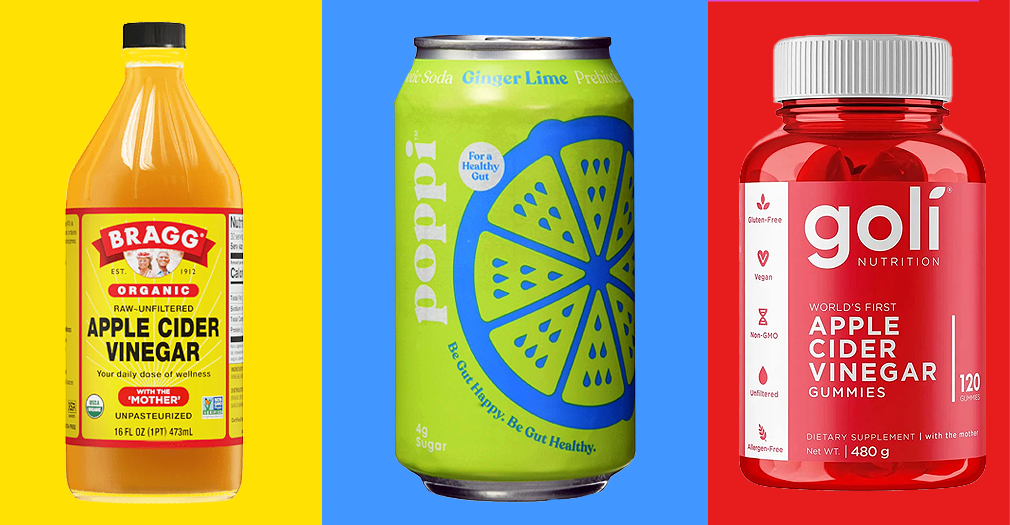
TINA.org explores the divide between the marketing and the science.
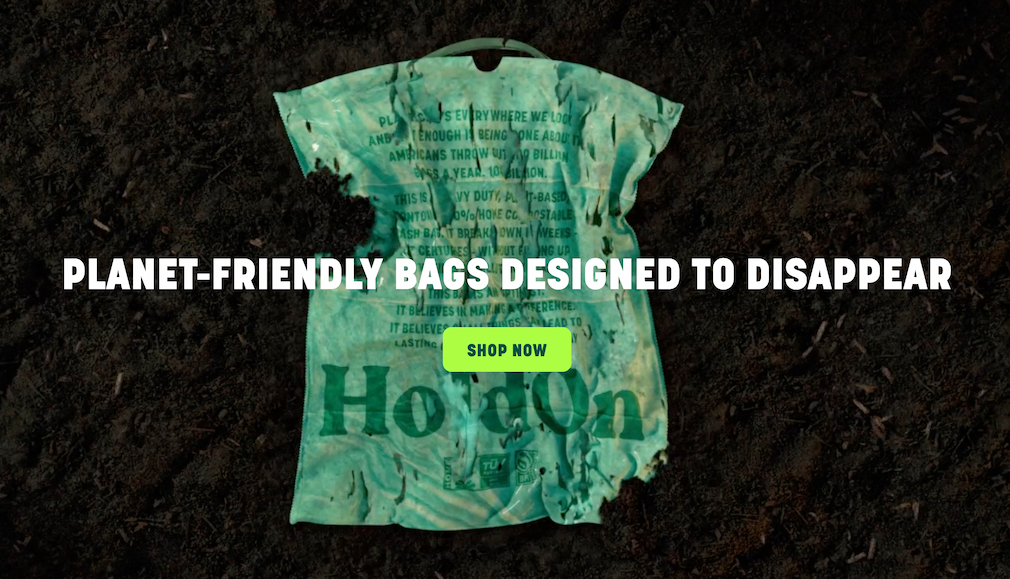
Company walks back composting claim following TINA.org inquiry sparked by self-regulatory ad challenge.