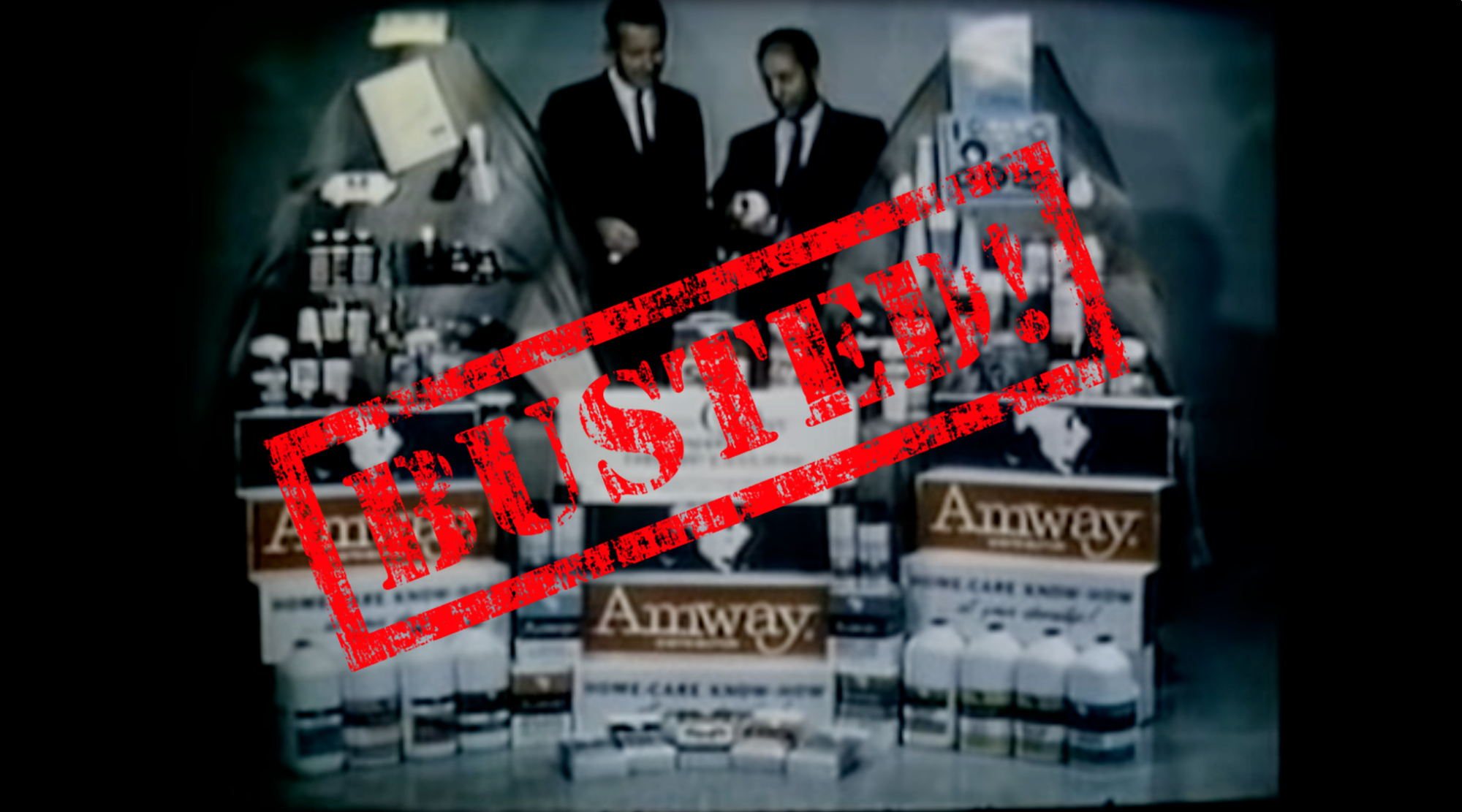
FTC Takes Decisive Action Against Amway
Agency alleges MLM misled recruits about earnings, pressured distributors to buy products and encouraged fake retail sales.
A June 2012 lawsuit claims that this clothing retailer’s merchandise is “perpetually on sale and the sale price is actually the price at which the merchandise is regularly offered.” The complaint goes on to state, “Jos. A. Bank’s misleading, inaccurate and deceptive marketing cultivates the perception that consumers are being offered a discount from the Company’s regular prices when, in fact, they are not.” (Waldron, et al., v. Jos. A. Bank, Case No. 12-cv-02060, D.C.NJ.)
Update: This lawsuit was dismissed in January 2013. The judge hearing the case decided that the plaintiffs did not provide “any facts which demonstrate that the ‘sale’ price offered is identical to the true regular price of the merchandise and thus a misrepresention.” The judge also stated that plaintiffs “failed to show a real or immediate threat, or even likelihood, that they will suffer future injury as a result of advertising done by Jos. A. Bank.”
Agency alleges MLM misled recruits about earnings, pressured distributors to buy products and encouraged fake retail sales.

MADISON, CONN. Sept. 14, 2026 – Need a passport? Be wary of paying a passport courier for help, according to consumer advocacy group truthinadvertising.org (TINA.org). After a lengthy investigation, the…
TINA.org calls on regulators to crack down on rampant deceptive marketing among registered couriers.
Think twice before paying a private passport courier.

Roblox sends players on an ad-venture.