
Givebutter’s Hidden Fees
How a donation made on this fundraising platform can turn into a costly transaction.
In December 2015, a state judge preliminarily approved a settlement of a false advertising class-action lawsuit against DSM Nutritional Products.
The complaint, which was originally filed in 2011, alleges that the company falsely markets the dietary supplement i-cool for Menopause as “clinically proven to safely reduce hot flashes by up to 85%” and having the ability to provide “relief from night sweats, mood swings, and sleeplessness” when the claims are not true and without scientific or medical evidence to support them.
According to the proposed settlement terms, class members with proof of purchase may receive a full refund and class members without proof of purchase may receive one $4 payment per household. The company also agreed to provide class members with various injunctive relief, including the removal of the phrase “clinically proven to safely reduce hot flashes by up to 85 percent” from the packaging and marketing materials for the product (the company removed this phrase from the packaging in 2011).
A final approval hearing is scheduled for May 20, 2016. (Doe v. DSM Nutritional Products, LLC et al, Case No. 30-2011-00510631, Superior Court of California – Orange County)
How a donation made on this fundraising platform can turn into a costly transaction.

Lawsuits accuse tax prep companies of violating the Military Lending Act.

Katie Mather, HuffPost
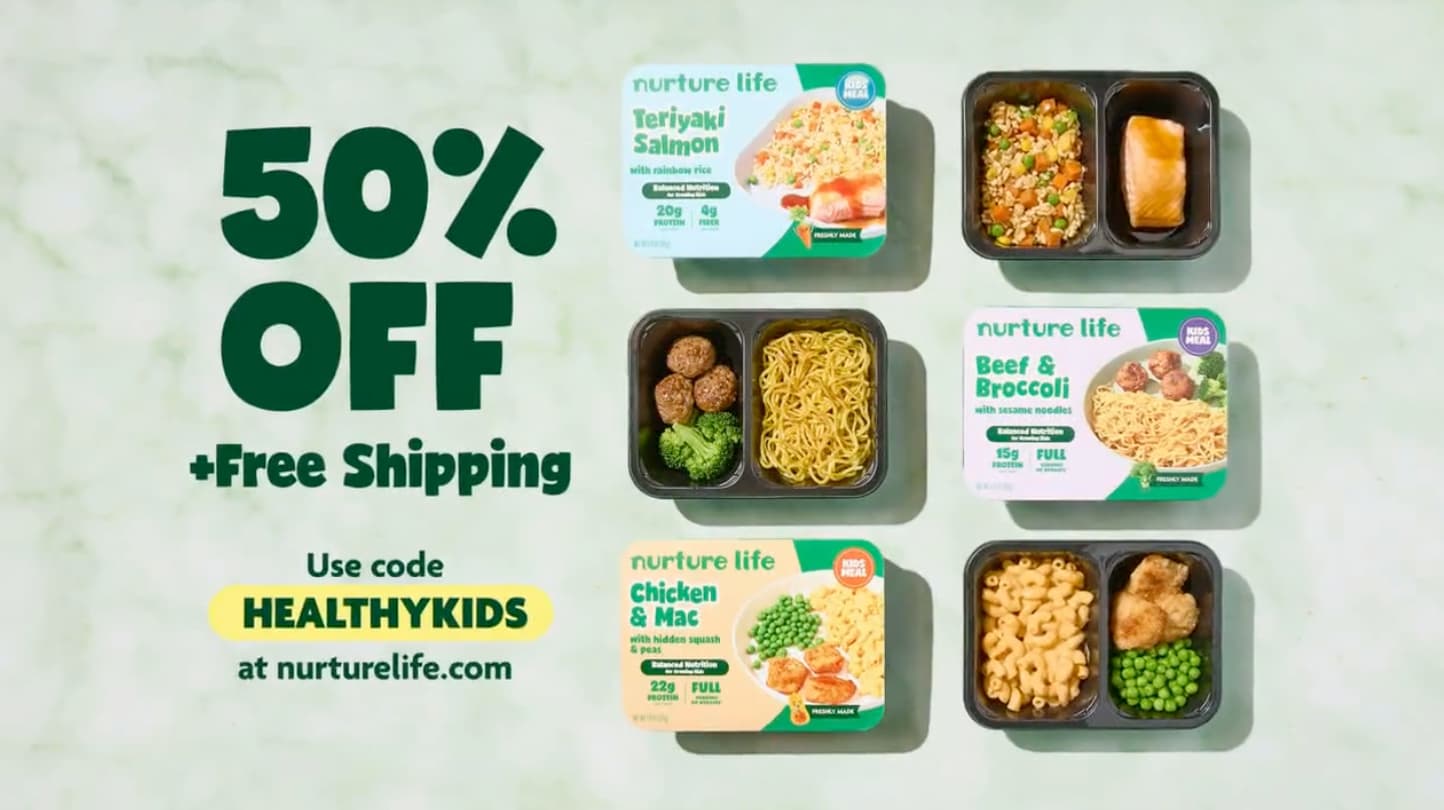
TINA.org digs into company’s subscription terms.

TINA.org urges the FTC to adopt a fee disclosure rule for the online food delivery market.