
What You Should Know about Kalshi
Prediction market faces legal challenges on multiple fronts.
In November 2019, a false advertising class-action lawsuit was filed against a marketing company that sponsors Accidental Death & Dismemberment Insurance offered to customers of various financial institutions. The complaint claims that the company deceptively represents that group insurance plans are competitively priced when, according to plaintiffs, the plans are more expensive than other similar insurance policies. Plaintiffs also claim that the company fails to disclose that the price of the insurance includes an approximate 60% commission that is paid to the company. (Quezada et al v. Franklin Madison Group, LLC f/k/a Affinion Benefits Group, LLC, Case No. 19-cv-2153, S.D. Cal.)
Prediction market faces legal challenges on multiple fronts.

Julie O’Connor, Nj Spotlight News
Sara Talpos, Med Shadow

Ingredient claims come into the limelight.
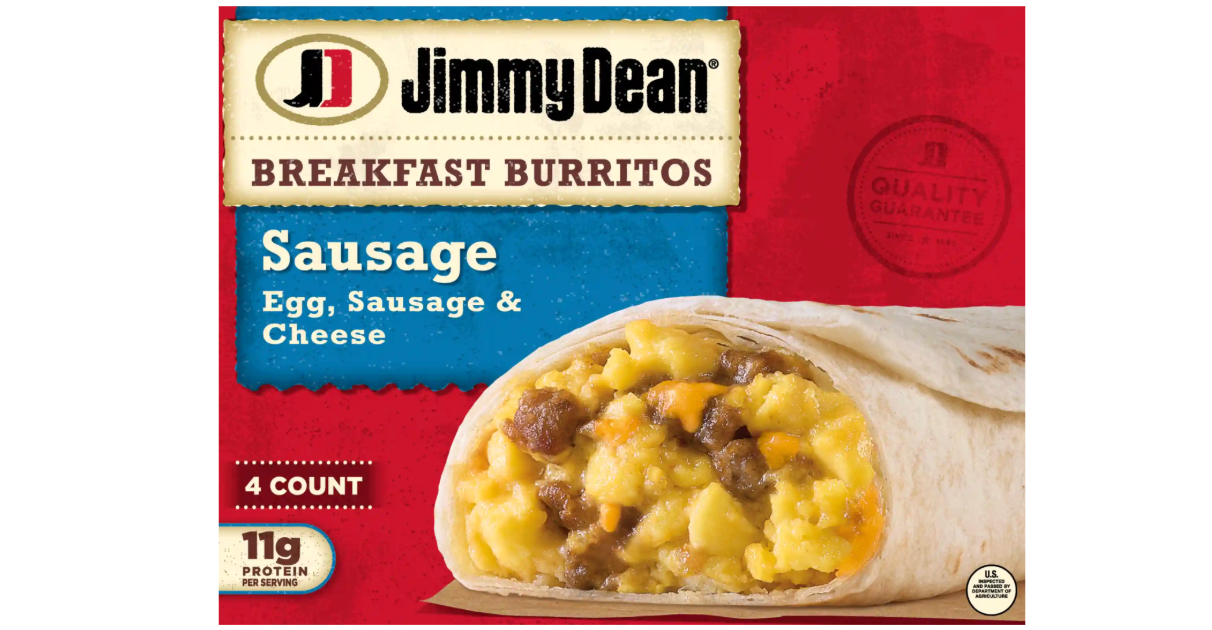
Beware of food images wrapped in deception.