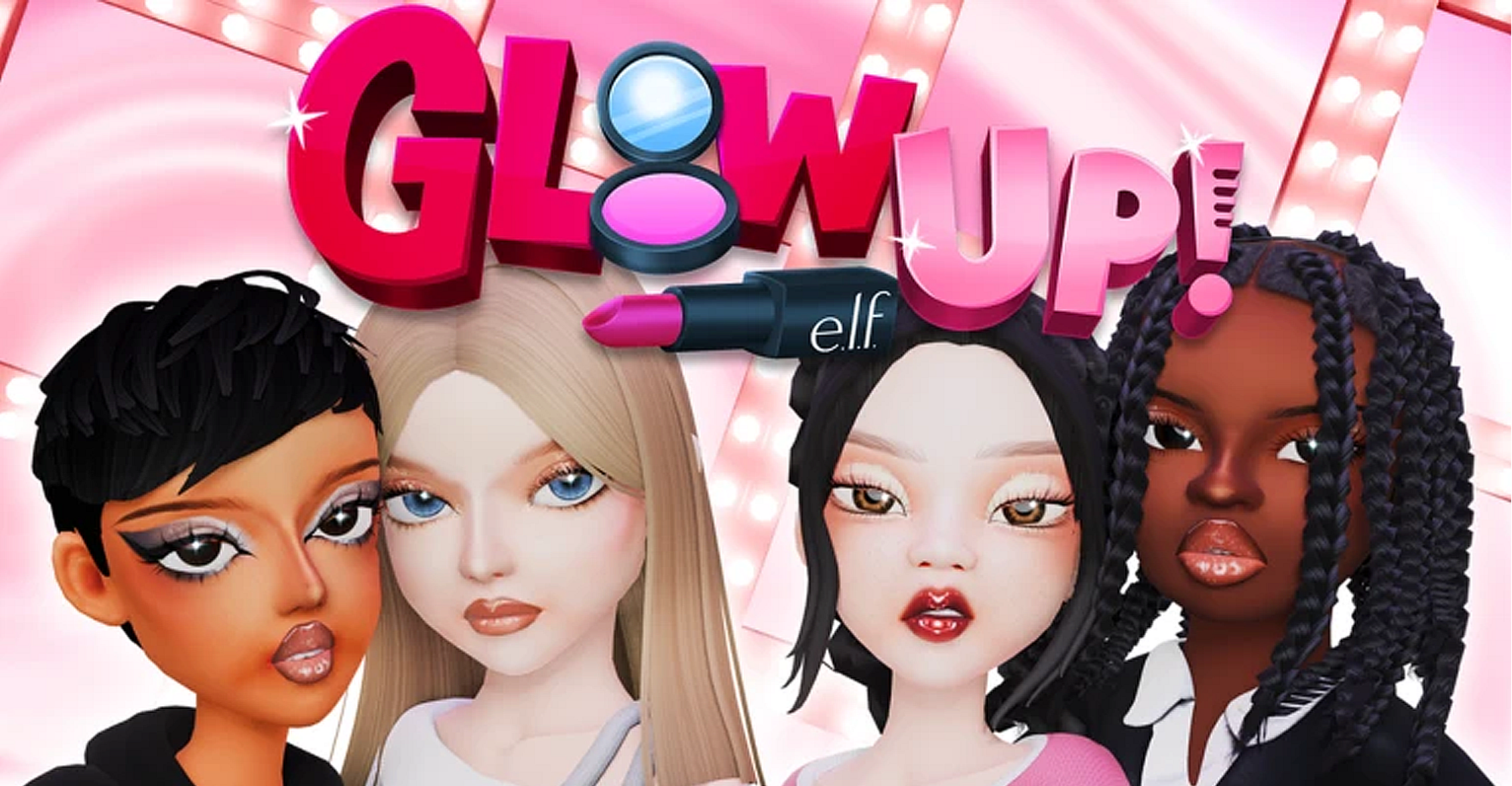
TINA.org Prompts Removal of Anti-Aging Products from Roblox Game
What were these adult skincare products doing in this 13+ Roblox experience?
March 2017: The case was voluntarily dismissed because the parties reached a settlement agreement, the terms of which were not disclosed.
January 2017: Plaintiffs filed an amended complaint bringing similar allegations.
April 2016: A class-action lawsuit was filed against U.S. Floors, Inc. for, among other things, allegedly misleadingly marketing that flooring imported from China complies with various formaldehyde standards – including the CARB regulations, as well as the standards in the Toxic Substance Control Act and the Formaldehyde Standards Act – when the flooring actually emits more formaldehyde than allowed by those standards. (Formaldehyde is a substance that can allegedly cause health problems, such as cancer.) (Eder et al v. U.S. Floors, Inc., Case No. 16-cv-836, M. D. FL.)
For more information about other class-action lawsuits regarding flooring and TINA.org’s coverage of the product, click here.
What were these adult skincare products doing in this 13+ Roblox experience?

TINA.org reader flags main ingredient fail.

What you should know about this fast cash offer.

Theme park fails to adequately disclose that it’s a “cashless” operation.

Why I’m a fan of this Adidas World Cup ad.