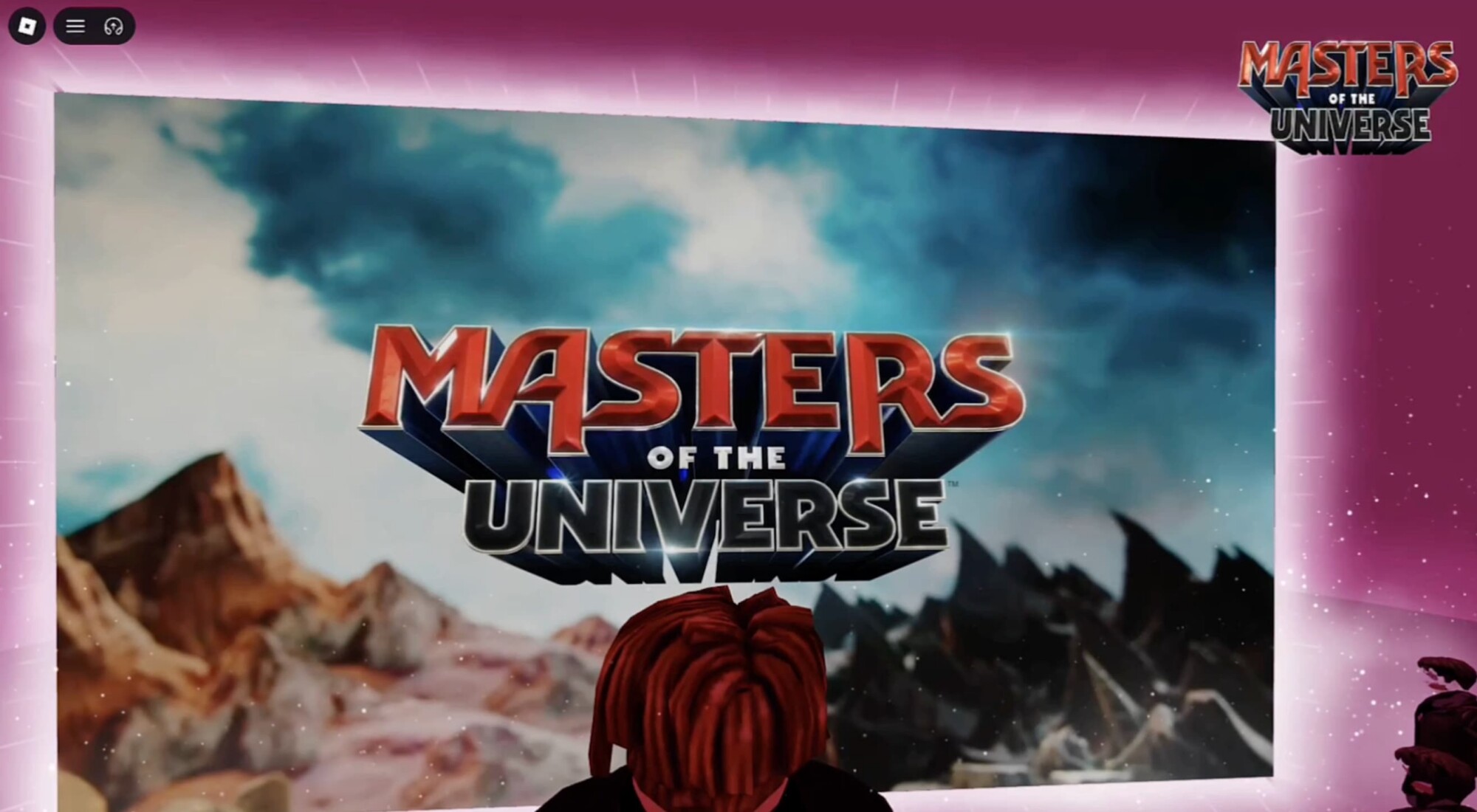
‘Masters of the Universe’ on Roblox
Roblox sends players on an ad-venture.
In March 2015, a class-action lawsuit was filed against Narconon of Northern California for allegedly making misleading statements in the marketing materials for the “drug treatment” program offered at Narconon Centers. Among other things, the complaint alleges that the marketing materials misleadingly represent that the program is a drug and alcohol treatment program that is “not associated with any religion” and that the success rate of the program is between 70% and 90% when, in reality, the program is not “a comprehensive drug and alcohol treatment program,” is really “Scientology propaganda,” and the advertised success rates are false. (Burgoon et al v. Narconon of Northern California d/b/a Narconon Redwood Cliffs et al, Case No. 15-cv-01381, N. D. CA.).
For more information about other class-action lawsuits regarding Narconon programs and TINA.org’s coverage of the topic, click here.
Roblox sends players on an ad-venture.
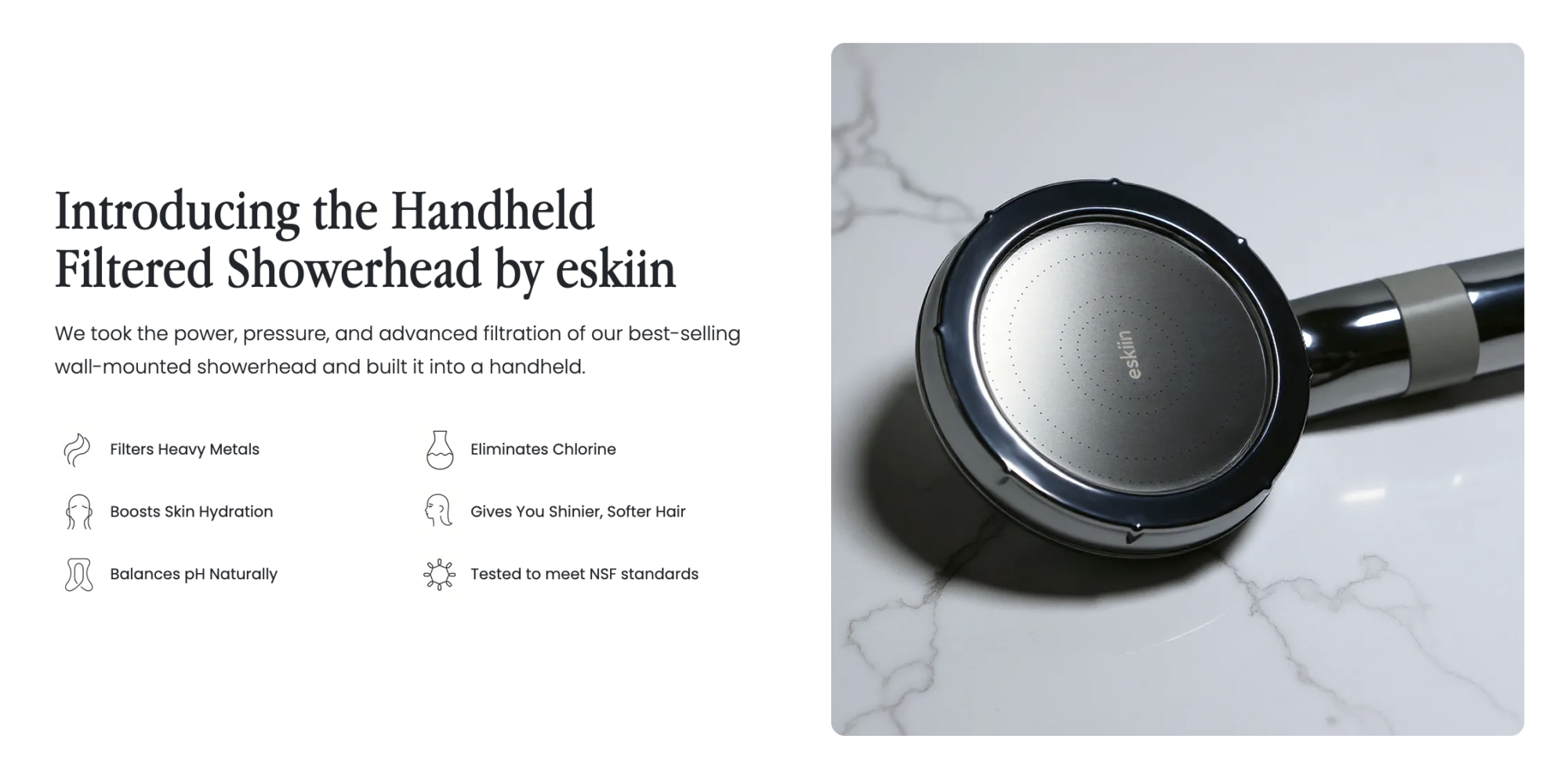
Send these marketing claims to the shower.

A proposed rule change could make it harder to know what you’ll actually pay for a flight.

TINA.org unwraps the hidden cost of these gift boxes.
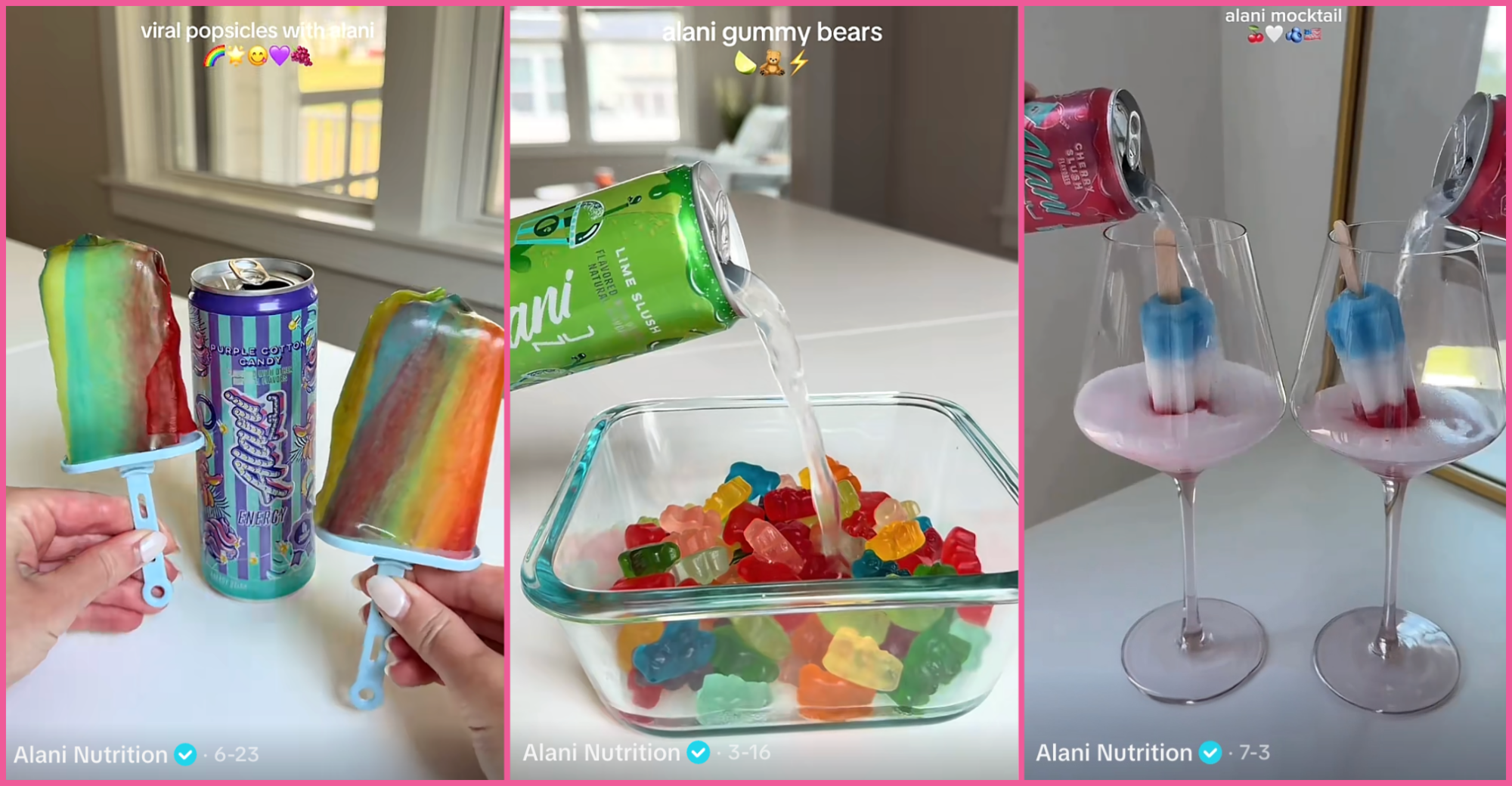
Following lawsuit, Texas AG launches probe into energy drink’s “youth-oriented branding strategies.”