Around 40 million U.S. households – representing roughly a third of the entire U.S. population – have a Keurig. More than 20 years after Keurig debuted its single-serve coffee maker for home use, annual sales of its K-Cup pods surpass $3 billion. The brand is so ubiquitous that “Keurig” and “K-Cup” have become generic terms to describe almost any single-serve coffee maker and coffee pod.
However, as early as 2016, Keurig recognized it had a problem.
Concerns about the environmental impact of its single-use K-Cups were affecting consumers’ purchasing decisions, the company’s research found. In public filings with the Securities and Exchange Commission, Keurig warned shareholders that if it did not take steps to address these concerns, “our sales could suffer.” So the company devised a plan: make 100% of its coffee pods recyclable by the end of 2020.
In December 2020, Keurig announced that it had accomplished its “sustainability” goal and declared all K-Cups “recyclable” and proceeded to market the products as such.
But that’s not the end of the story.
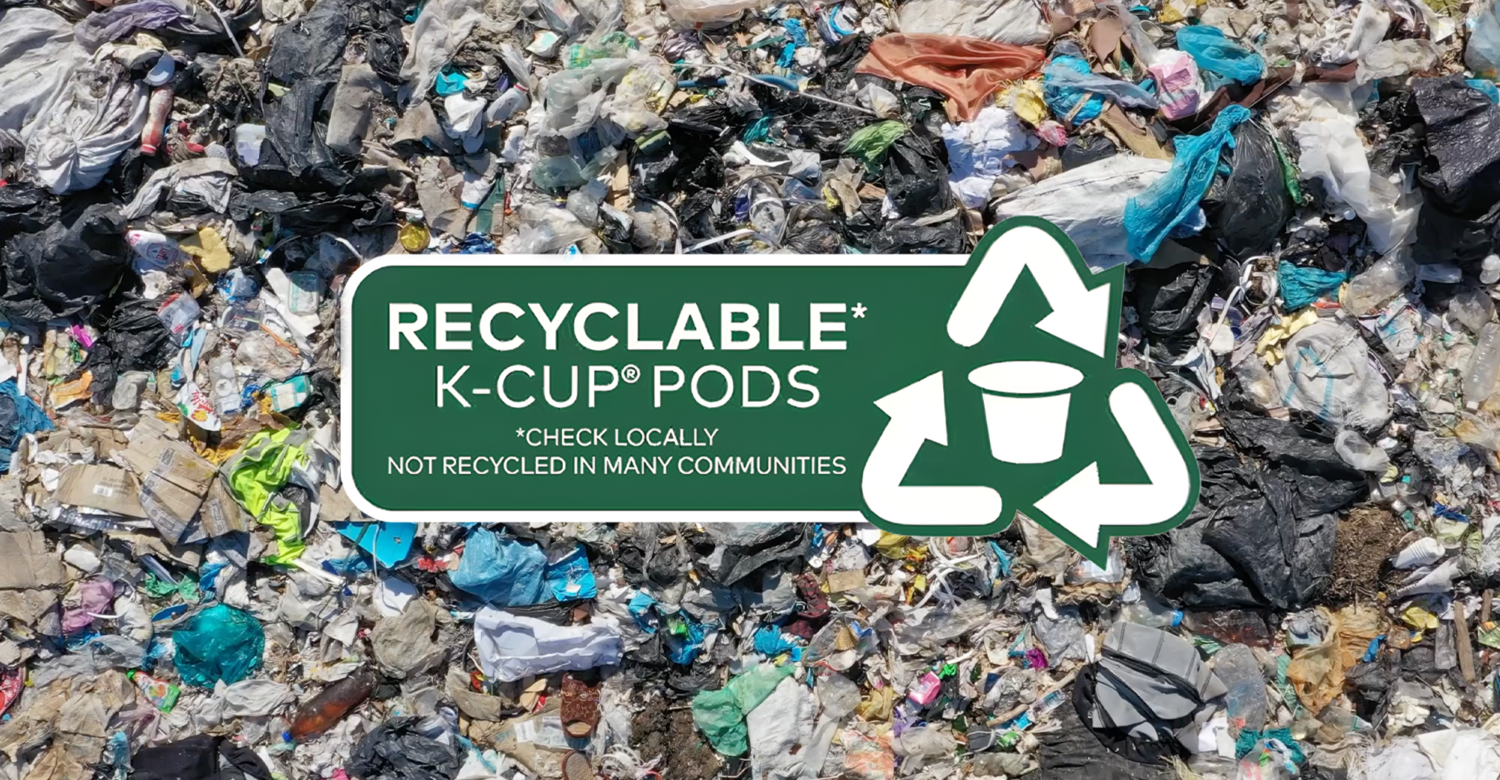
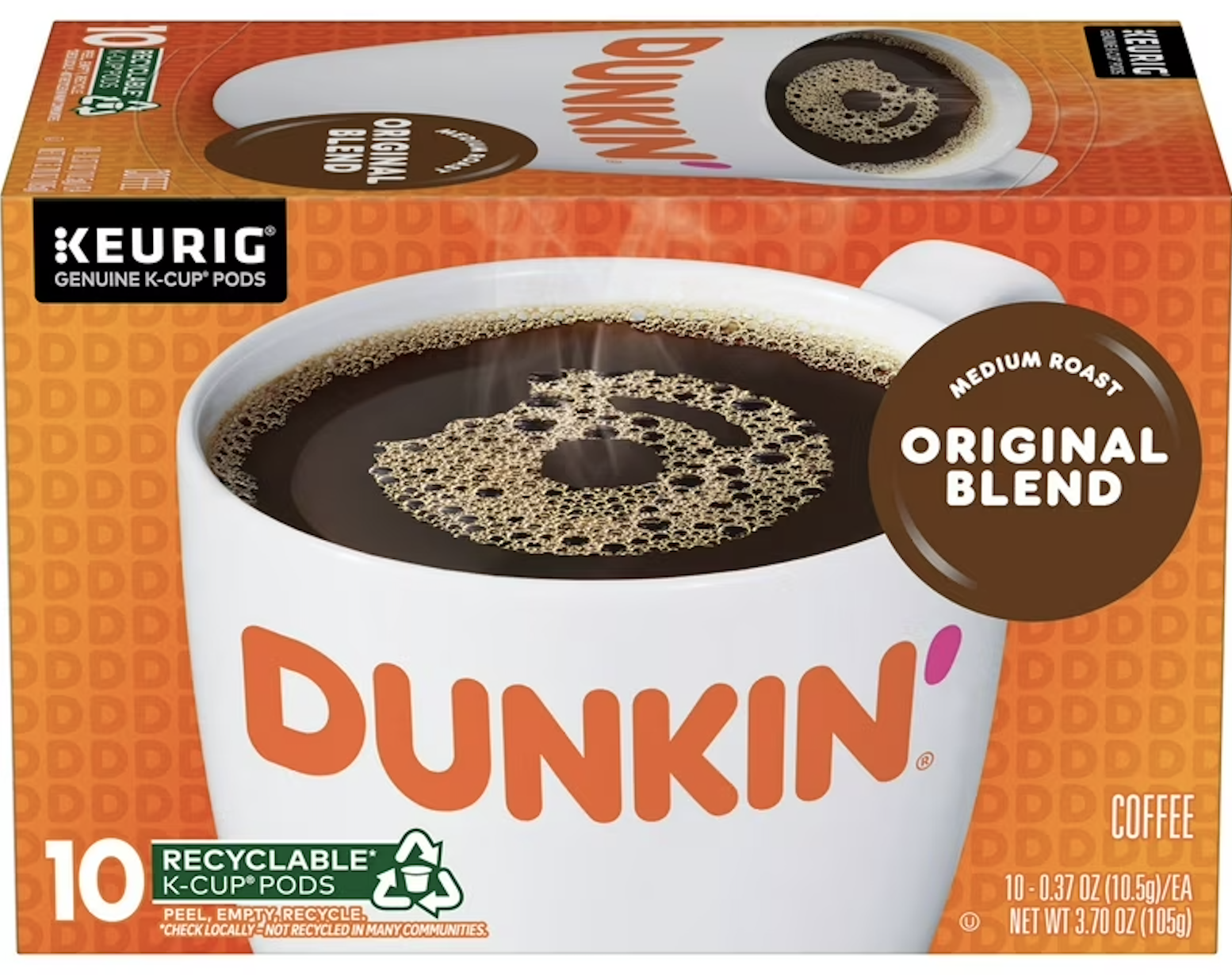
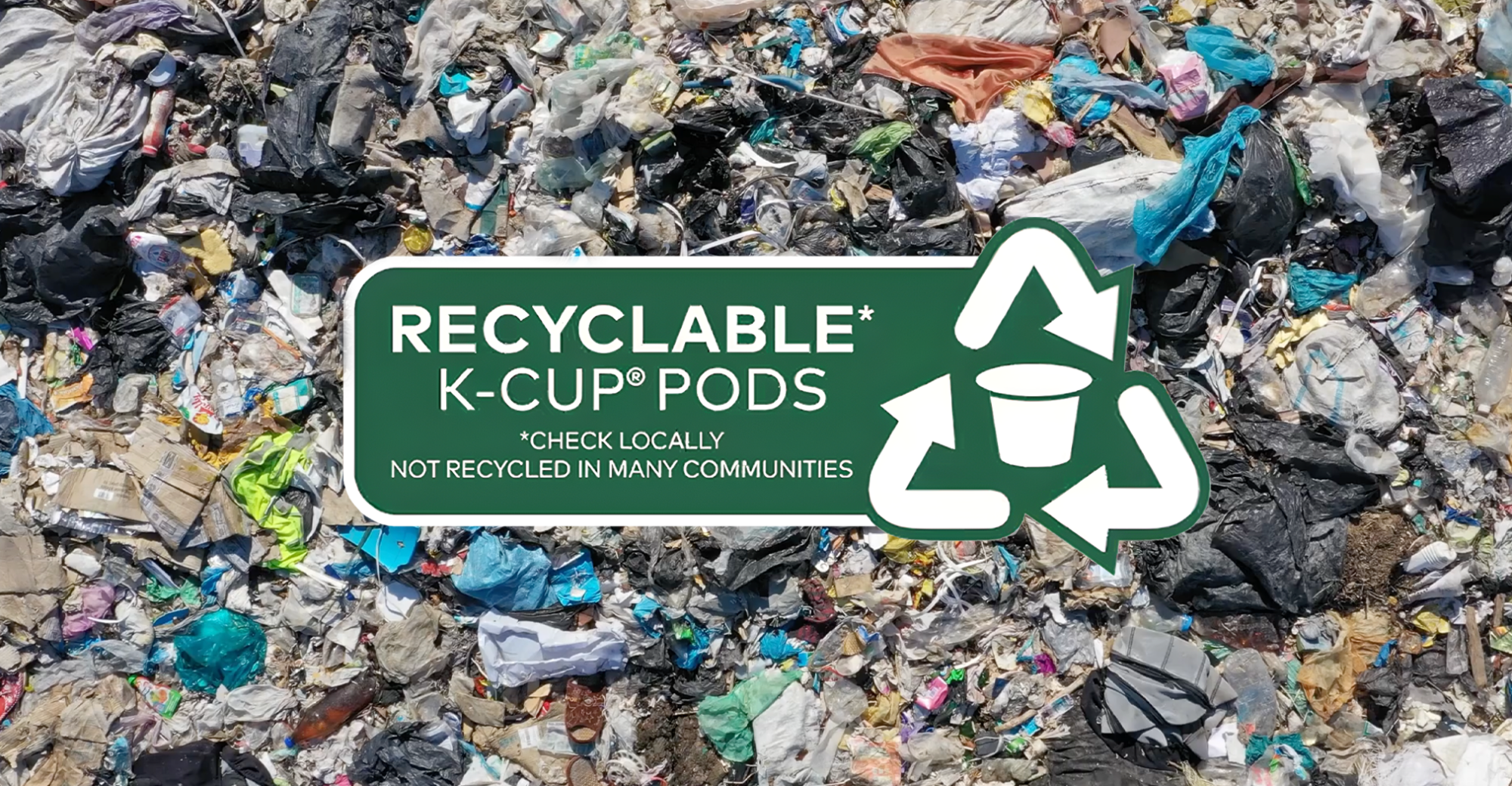
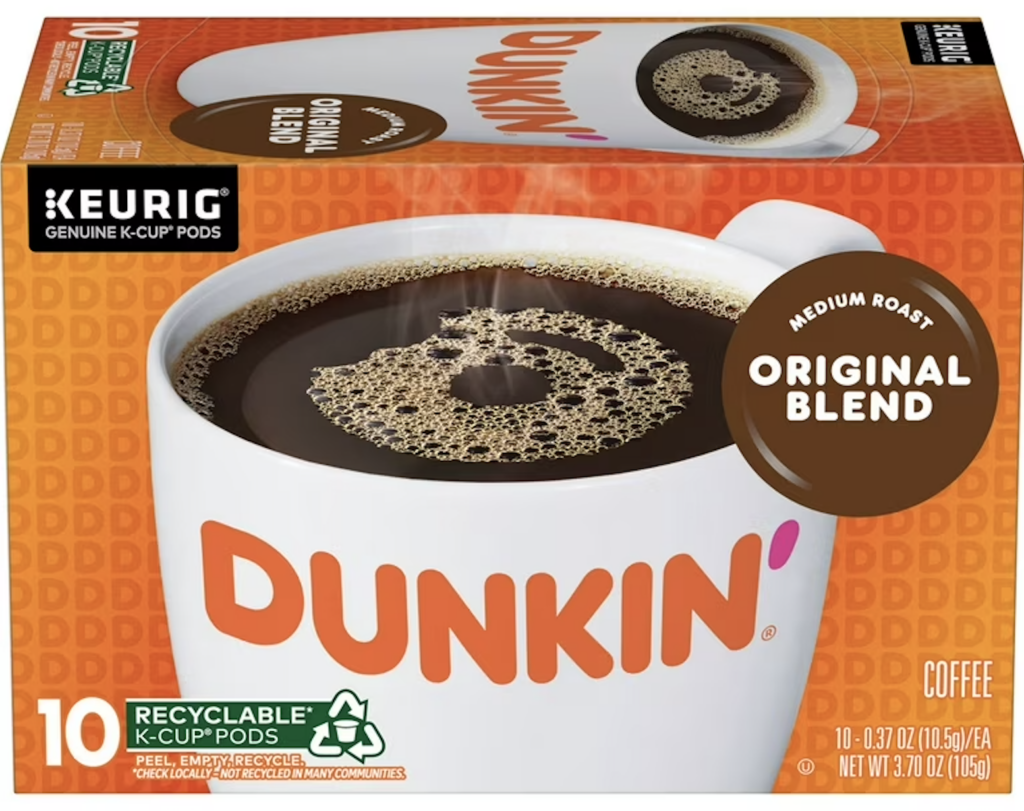
Despite the company’s widespread recyclable claims for its K-Cups, including on product packaging – which also features the “chasing arrows” symbol – a substantial majority of consumers are not able to recycle the pods, a TINA.org investigation found. On Monday, TINA.org filed complaints with the FTC and regulators in more than a dozen states urging they take enforcement action.
While Keurig has claimed the transition to polypropylene #5 plastic resulted in a recyclable coffee pod, the change in one of the product’s materials did not address all of the problems with recycling the pods.
To assess the real-world recyclability of K-Cups, TINA.org retained an environmental consulting firm specializing in recycling feasibility. The firm’s report, which is based in part on survey responses from recycling industry representatives across the country, found a number of barriers to recycling the pods. These include:
- Size: Due to their small size (about two inches by two inches), many recycling facilities are unable to sort the pods. As a result, they frequently fall through equipment and are rerouted for landfill disposal.
- Shape and design: The irregular shape and multimaterial construction of K-Cups (which are made of plastic, paper, aluminum foil and coffee grounds) also make it difficult for facilities to sort, especially when consumers don’t empty or dissemble the pods.
- Contamination: Coffee grounds and residual liquid contaminate the theoretically recyclable components of K-Cups. And many facilities aren’t equipped to clean the pods.
- Cost: Recycling plastic in general is expensive and the resources required to process K-Cups in particular, for many recycling facilities, aren’t worth the investment given the low market value of recovered K-Cup materials.
Due to these limitations, the report concluded that K-Cups are not typically accepted for recycling in the U.S.
The report’s findings are consistent with statements by a multitude of recycling facilities and sources throughout the U.S. – from waste management companies to city officials – which instruct customers and residents not to recycle coffee pods but instead throw them in the garbage.
Seattle tells its residents that coffee pods smaller than three inches (like K-Cups) belong in the garbage. Officials in Otter Tail County, Minn., similarly inform their residents that “items smaller than your first,” like K-Cups and other coffee pods, “are generally not recyclable” due to sorting equipment not being able to recognize them, and warn that:
Just because a product claims it is recyclable does not mean it is accepted for recycling in your local program. Almost anything is technically recyclable, but for it to actually get recycled it needs to work within recycling systems that currently exist.
The FTC’s Green Guides are clear that if any component of a product “significantly limits the ability to recycle the item, any recyclable claim would be deceptive,” adding:
An item that is made from recyclable material, but, because of its shape, size, or some other attribute, is not accepted in recycling programs, should not be marketed as recyclable.
In other words, products that are recyclable in theory but not in reality shouldn’t be advertised as “recyclable.”
But Keurig isn’t just disregarding the Green Guides. It’s also ignoring how consumers interpret the term “recyclable.”
Most consumers believe that products advertised as recyclable aren’t just recyclable in theory but will actually get recycled most of the time. The vast majority of consumers have a similar understanding of the “chasing arrows” symbol, which they believe means the product can definitely be recycled.
And Keurig’s qualifying language on K-Cups’ packaging and in other marketing, instructing consumers to “check locally” and revealing that pods are “not recycled in many communities,” does not cure the deception as the disclosures are neither conspicuous nor clear, as required by the FTC.
Previously, Keurig disclosed on K-Cups’ packaging that the pods are “not recycled in all communities,” but in 2023 the company agreed to change “all” communities to “many” communities to settle two federal class-action lawsuits alleging it misled consumers into believing it K-Cups are recyclable.
But the class-action settlement (which also required that Keurig pay $10 million, less than one percent of the company’s net sales that year as the conglomerate Keurig Dr Pepper), as well as one with the SEC in 2024, has done little, if anything, to stem the tide of deceptive recyclable claims for its K-Cups.
While the development of a single-serve beverage pod that could someday be widely recycled may be a laudable objective, it remains just that: a goal. And until (or unless) that goal is achieved, Keurig should have to answer to the fact that, under current recycling conditions, the vast majority of its K-Cups aren’t actually being recycled as represented by its marketing, but rather ending up in landfills.
Keurig did not respond to a request for comment.
Find more of our coverage on greenwashing.