



Byte Invisible Braces
NAD takes issue with blanket disclosure regarding incentivized reviews.
Why wearing these products can be a prescription for disaster.
Colored contact lenses can transform a basic Halloween costume into a frightening one. But there’s a real-life horror story that can come with wearing these products.
According to the FDA, which regulates contact lenses as medical devices, wearing any kind of contact lenses, including colored ones, can cause serious damage to the eyes if the lenses are obtained without a prescription or not used correctly. These risks can range from scratches or cuts on the cornea (the outer layer of the eye) to allergic reactions to infection and blindness.
That’s why the agency requires that all contact lenses be prescribed by a doctor and states that anyone who sells contact lenses without a valid prescription is violating the law.
Yet many online sellers of colored contact lenses openly flout the law.
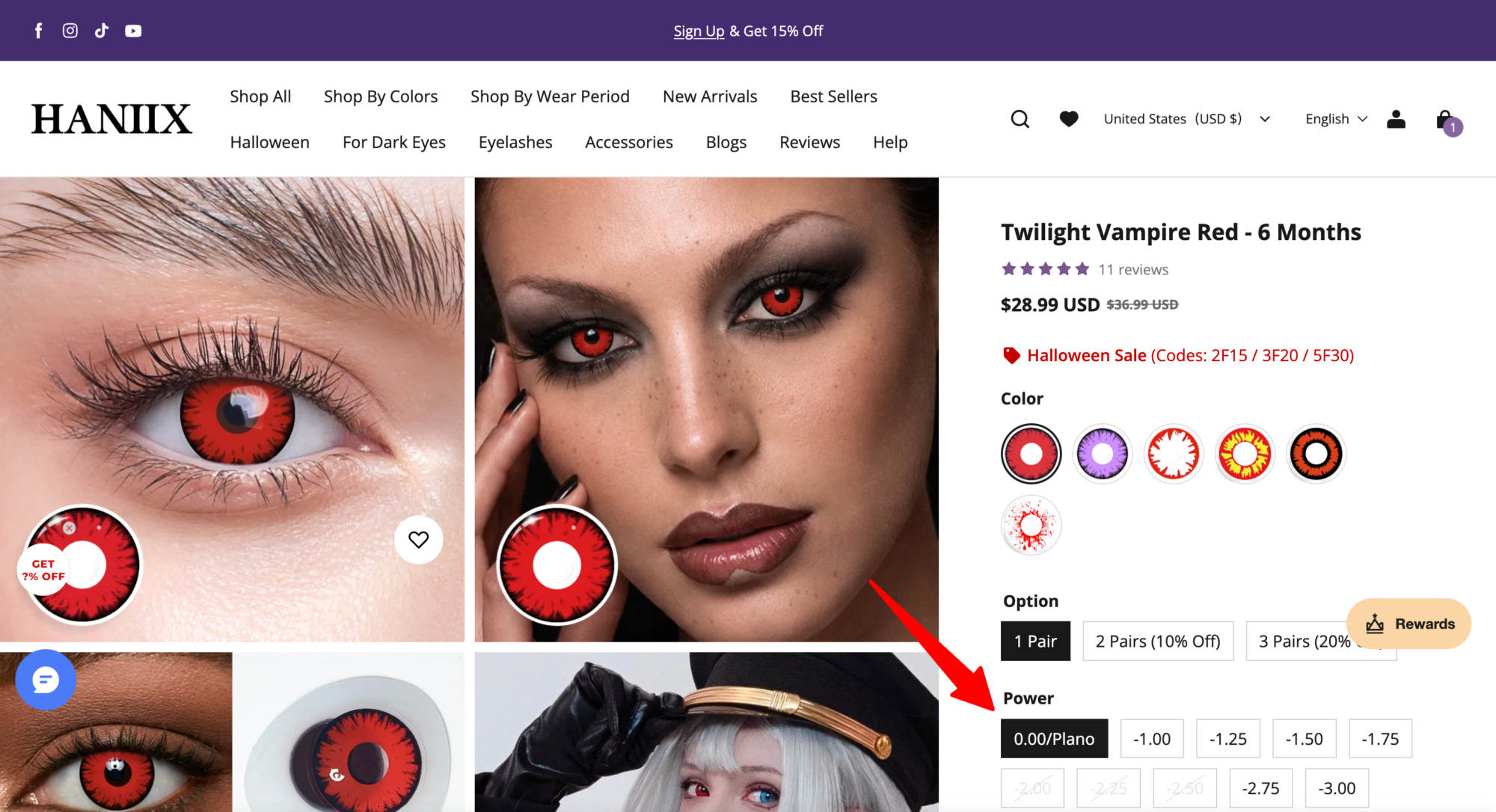
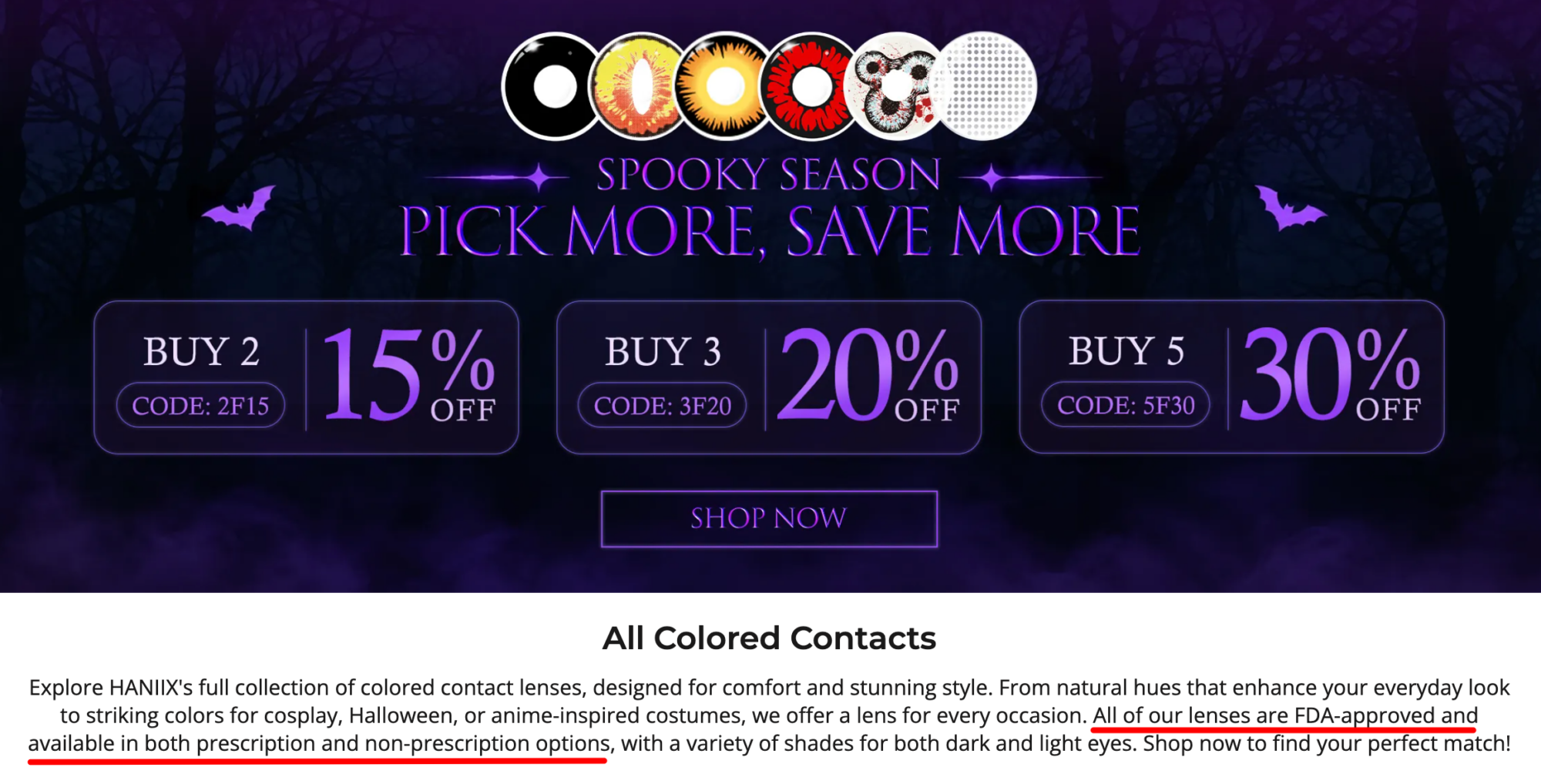
Haniix, for example, makes all of its colored contact lenses available for purchase without a prescription through the option to buy lenses with no vision correction, which the company falsely claims in an FAQ on its website does not “necessitate a prescription.”
On product pages, zero-power is the preselected option – and in some cases, the only option:
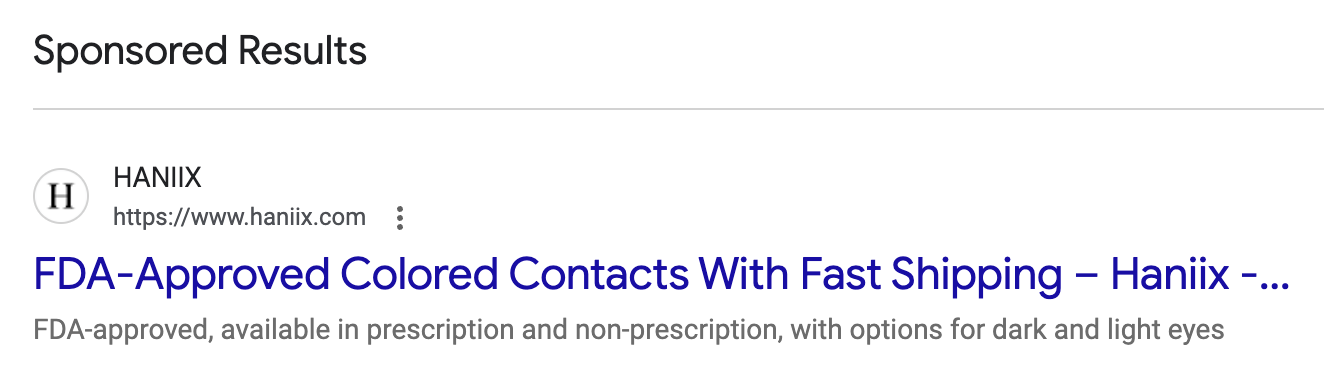
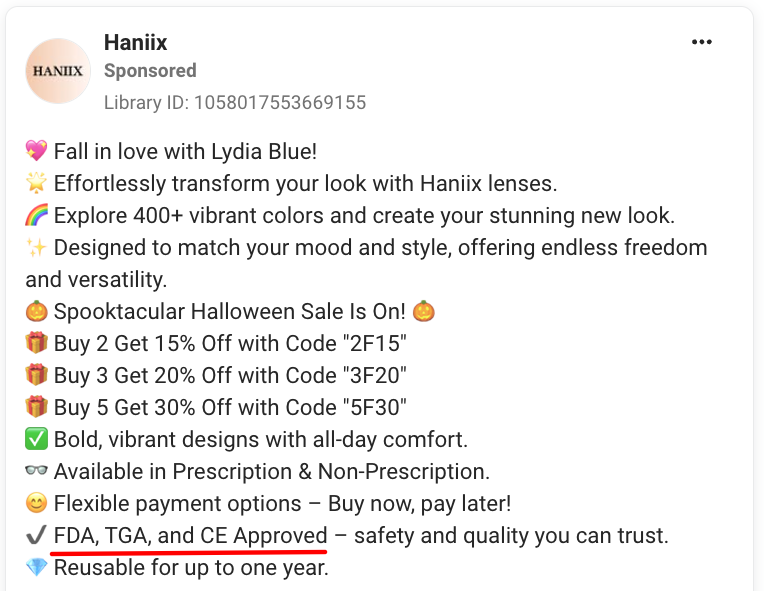
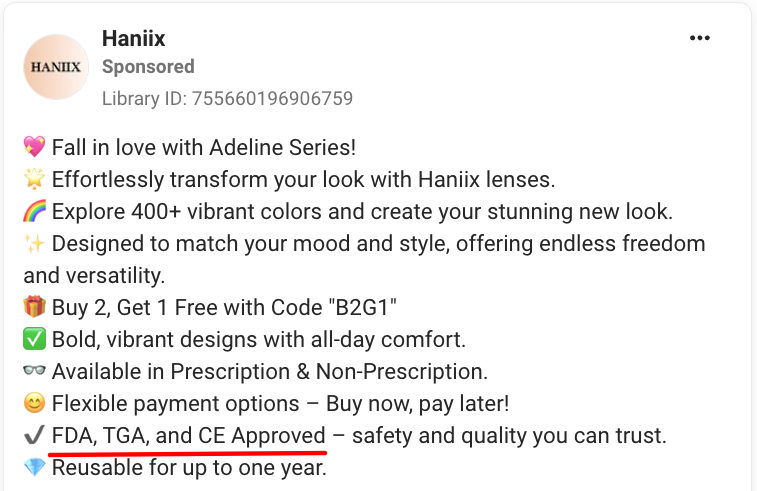
Haniix also claims on its website and in Google and Meta ads that its colored contacts are “FDA approved”:
Yet searching the FDA’s online medical device database for “Haniix” yields zero results, suggesting that the company hasn’t even registered its contact lenses with the agency, much less gotten its approval. (The purported TGA and CE approvals refer to Australian and European standards, respectively.)
Haniix did not respond to a request for comment.
The bottom line
If you are thinking about buying colored contacts to add a scare factor to your Halloween costume this year, know the risks. As the FDA puts it:
Even though there are a lot of products that you can buy without a prescription, contact lenses are not one of them.
Find more of our coverage on Halloween.
Our Ad Alerts are not just about false and deceptive marketing issues, but may also be about ads that, although not necessarily deceptive, should be viewed with caution. Ad Alerts can also be about single issues and may not include a comprehensive list of all marketing issues relating to the brand discussed.
NAD takes issue with blanket disclosure regarding incentivized reviews.
Spam email leads to a fake endorsement from Dr. Oz, among other celebrities.
Doctor pitches bogus health treatments in violation of federal order.