
Consumers Throw Flags on Super Bowl Advertisers
Six big game marketers that have been accused of fumbling ad claims.

Consumers have much to watch out for in terms of deceptive advertising in 2026. Here are five trends TINA.org will be keeping an eye on this year.
If you need to apply for a new passport or renew your passport for a trip abroad in 2026, numerous websites claim to be able to help with both and even advertise that they can get you a passport in days as opposed to the 4-6 weeks it typically takes to process a new passport. But before you pay a company for forms or expedited processing, you should know that (1) these forms are available for free on the U.S. Department of State’s website and (2) paying extra won’t get you a passport any faster than if you applied on your own at a passport agency. Last year, prompted by a number of consumer tips, we published two ad alerts on two websites offering passport services. One of the two companies, RushMyPassport, not only charges consumers for free government forms but also deceptively claimed on its homepage to expedite passports in “as little as 24 hours” (which it changed to in “as little as 3 business days” following our inquiry). We’re not done looking into these kinds of misleading websites targeting travelers. Check back for updates.
A common New Year’s resolution is to eat healthier. But consumers seeking to make a positive change in their diets need to be on the lookout for nutriwashing. Also known as healthwashing, nutriwashing is a marketing tactic that makes a food or beverage seem more nutritious or healthy than it actually is. In 2025, we reported on a surge in nutriwashing class actions challenging food labeling terms like “natural,” “healthy” and “wholesome” used to advertise a variety of products. What’s sparking the lawsuits? The lack of a legal or regulatory definition of “natural,” as well as some other terms used in this space, is one contributing factor. And while the FDA has specific criteria advertisers must meet in order to lawfully market foods as “healthy,” some food marketers allegedly don’t follow the rules. So, if you’re making a commitment to eat healthier in 2026, make sure you aren’t just swallowing the marketing on the front of the package but also digesting the ingredients label on the back. And take ambiguous or vague food labeling terms with a grain of salt.
It has become increasingly difficult to tell whether a deal is actually a bargain and not something a marketer made up to get you to part with your hard-earned dollars. False reference pricing creates the illusion of a sale by comparing a purported discounted price to a previous price (often referred to as a reference, regular or list price) that was never actually offered. Its alleged use among marketers is on the rise, along with claims that sales are only available for a limited time when in fact they continue past the advertised time period. We are currently tracking dozens of class actions alleging companies use false reference pricing, falsely advertise sales as time-sensitive, or both. Algorithmic pricing adds another wrinkle, as a recent Consumer Reports investigation into Instacart’s AI-enabled pricing experiments showed. Also known as surveillance pricing, algorithmic pricing occurs when different shoppers are charged different prices for the same product at the same time. Unlike false reference pricing or other deceptive pricing tactics, algorithmic pricing is not illegal – but some legislators are trying to change that.
The use of AI chatbots like ChatGPT and Character.AI among kids and teens is a growing concern for regulators tasked with protecting them from the harms of deceptive marketing. According to a recent survey by the Pew Research Center, 64% of teens report using AI chatbots, with 3 in 10 saying they use them daily. In August, Texas Attorney General Ken Paxton announced that his office had opened an investigation into Meta and Character.AI for misleadingly marketing their AI chatbots, including to children, as mental health tools. The following month, the FTC issued orders to seven AI firms, including Meta, Character.AI and OpenAI, which created ChatGPT, seeking information about how the companies monetize user engagement, mitigate negative impacts, particularly to children, and use advertising, among other things. “AI chatbots can effectively mimic human characteristics, emotions, and intentions, and generally are designed to communicate like a friend or confidant, which may prompt some users, especially children and teens, to trust and form relationships with chatbots,” the agency said. Having previously investigated and complained to the FTC regarding how AI bots on Roblox manipulate and mislead millions of children into thinking they are interacting with real people, we applaud these efforts and hope for more to come in 2026.
One way we predict deceptive ad trends for the new year is by looking at what our readers were searching for the previous year. And in 2025, one of our most popular ad alerts was about Francesca Fields, a self-described “stay-at-home mom” pitching an online course that she claimed could be resold “over and over and over again for 100% profit,” minus transaction fees. The secret: master resell rights. Master resell rights or MRR is a type of business model that allows consumers to buy a digital product (often an online course) and the rights to sell that product. But as we found, MRR, much like MLM (aka multilevel marketing), may not be the gateway to attaining “financial freedom” that its proponents claim it is. For one thing, while Fields claimed her business opportunity was made for those looking to earn a “full-time income” working whenever and wherever they want, she didn’t provide any support to back up her earnings claims. So, don’t ditch your 9-to-5 for an MRR opportunity just yet.
Six big game marketers that have been accused of fumbling ad claims.
A closer look at what we’ll be monitoring in the new year.
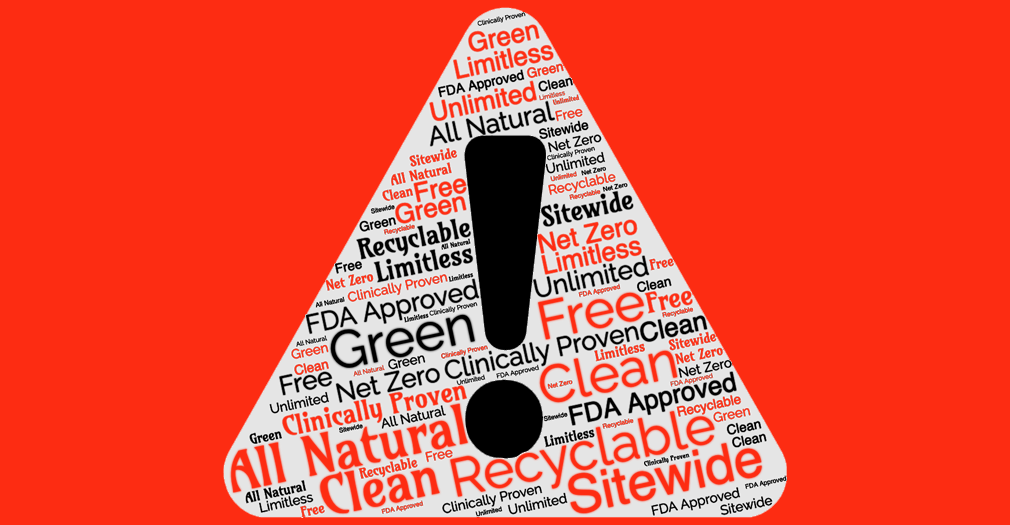
These definitions are a joke.