Refresh Rates of VIZIO LCD Televisions
Allegations: Falsely marketing that televisions have higher refresh rates than they actually do
In October 2017, a class-action lawsuit was filed against Vizio, Inc. for allegedly deceptively marketing its Smart TVs as being capable of streaming videos through the YouTube app directly from the televisions when, according to the complaint, YouTube stopped functioning on Vizio’s Smart TVs that communicate and send content to televisions using an older flash-based application programming interface (API) in June 2017. (According to the complaint, the YouTube app still functions on Smart TVs with the newer HTML5-based API systems.) (Brenner et al v. Vizio, Inc., Case No. 17-cv-5897, W. D. WA.)
For more information about the marketing of televisions, click here.
Allegations: Falsely marketing that televisions have higher refresh rates than they actually do

Allegations: Misleadingly marketing televisions as having “sensational picture quality” and “best-in-class picture processing” when they suffer from power failures due to a defect
Allegations: Failing to adequately disclose that Vizio Smart TVs have tracking software

Can you earn a salary just by placing a small sticker on your car?

Lawsuits accuse companies of using deceptive claims to reel in consumers.

U.K. ad regulator takes issue with celeb endorsement.
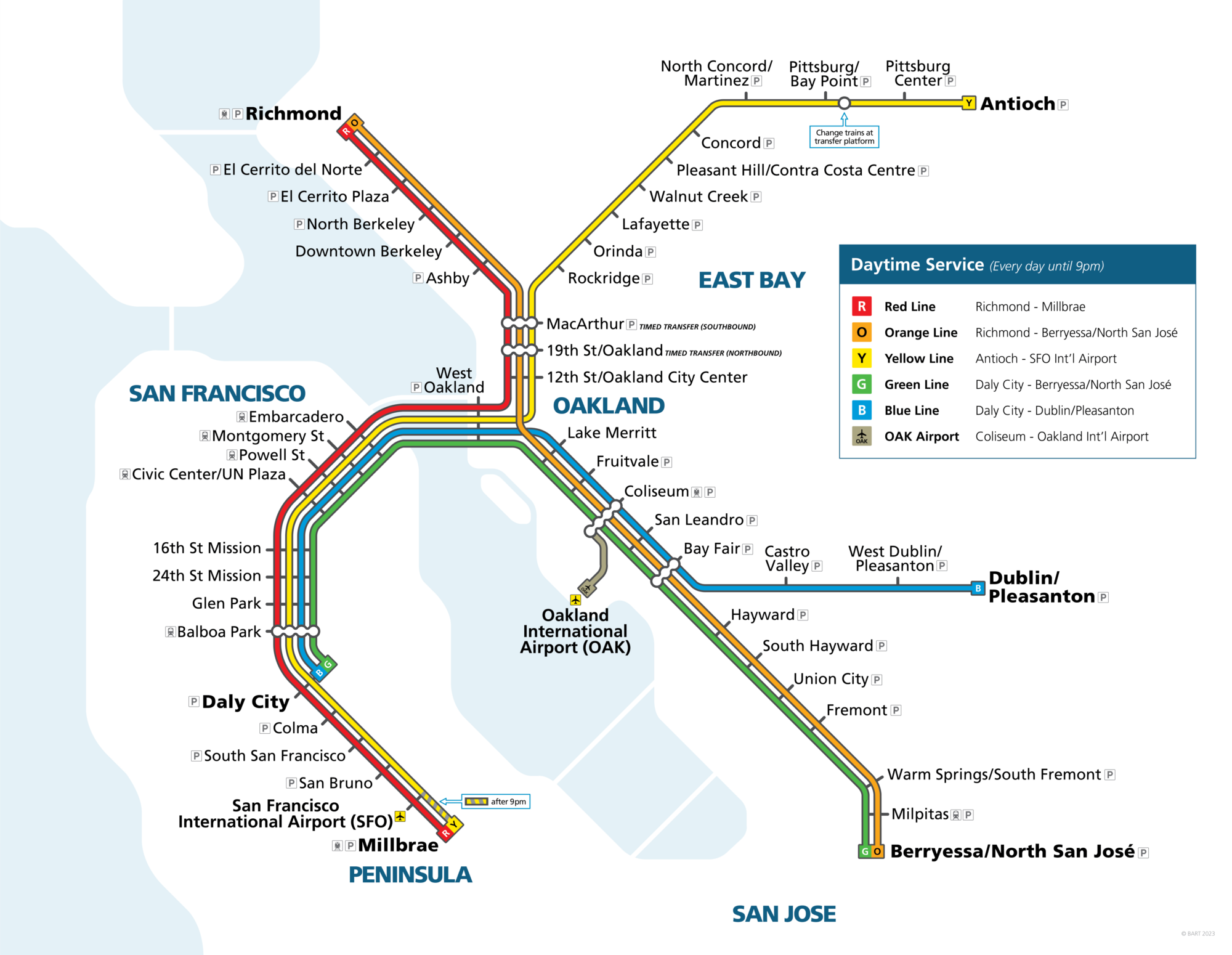
Why “taking BART” from Oakland to San Francisco costs more than advertised in this billboard.

Today’s teenagers are uniquely positioned in the marketing world.