Factor: 50% Off Your First Box
Unboxing this meal kit company’s enticing offer.
January 2014: A federal judge dismissed the class-action lawsuit against Toyota finding, among other things, that plaintiffs lacked standing (i.e., a proper basis) to file their complaint because they didn’t suffer any injuries. Specifically, the judge concluded that plaintiffs did not have any problems with the Pre-Collision System, the value of the vehicles was not diminished, and the system performed as described. The judge dismissed the complaint with prejudice, meaning that plaintiffs cannot re-file their case at a later date.
October 2013: A class-action lawsuit against Toyota Motor Sales, U.S.A. Inc. alleges that the company misleadingly represents in marketing materials, such as owner’s manuals and brochures, that vehicles equipped with the Optional Pre-Collision System will provide automatic braking in unavoidable frontal collisions. Specifically, plaintiffs allege that these claims by the company are deceptive because the system does not provide effective braking in unavoidable front-end accidents. In addition, the system allegedly does not qualify as a forward collision warning system under the National Highway Transportation Safety Administration or as a front crash prevention system under the Insurance Institute of Highway Safety.
(Tae Hee Lee et al. v. Toyota Motor Sales, U.S.A. Inc. and Does 1-10, Case No. 13-cv-07431, C. D. CA.).
Unboxing this meal kit company’s enticing offer.

Sarah Todd, STAT News
TINA.org finds more of the same – and then some – from retail giant.
FTC lawsuit alleged company duped consumers into signing up and then made it hard to cancel.
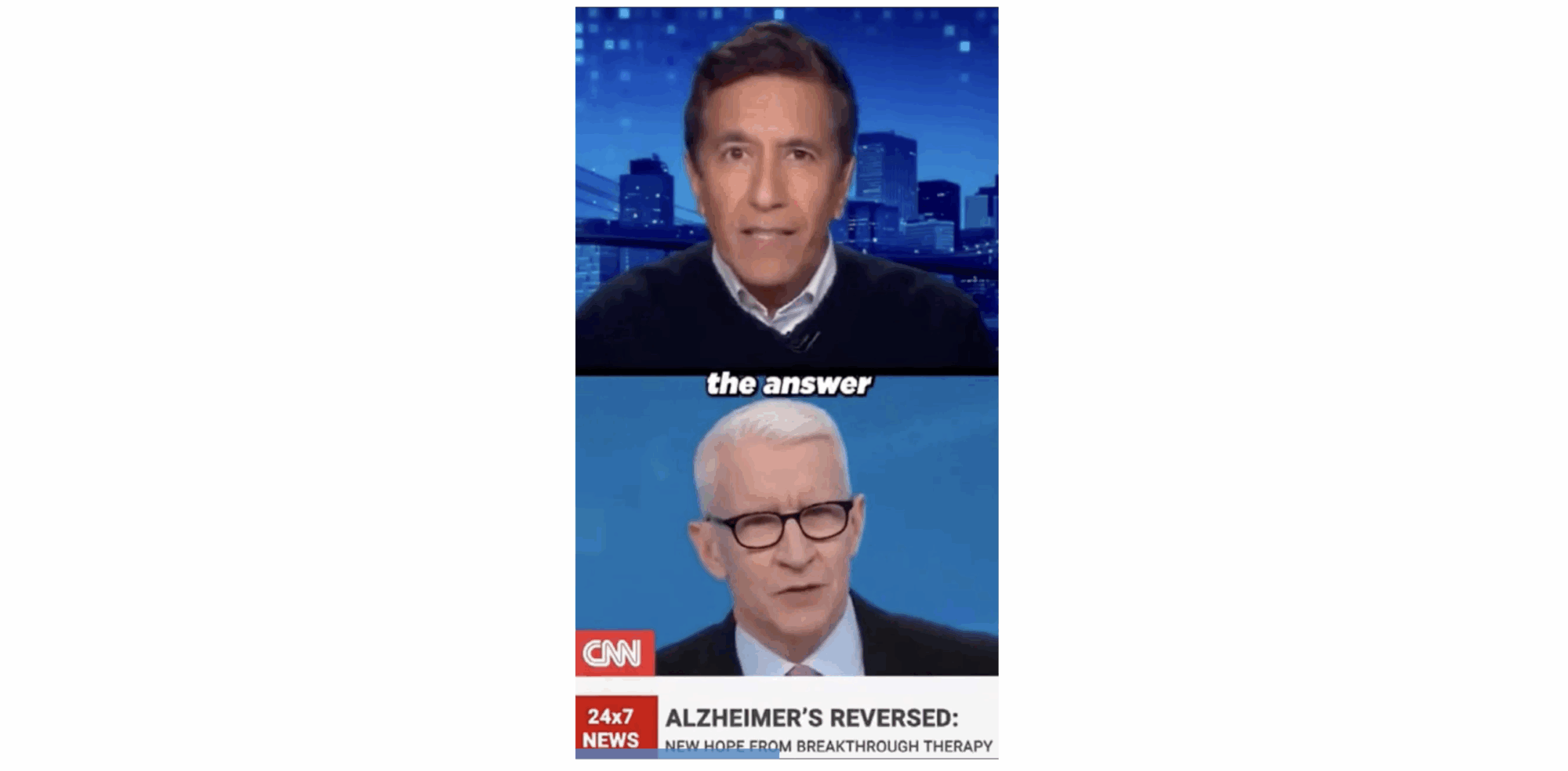
Your best defense against deceptive AI? A little research.