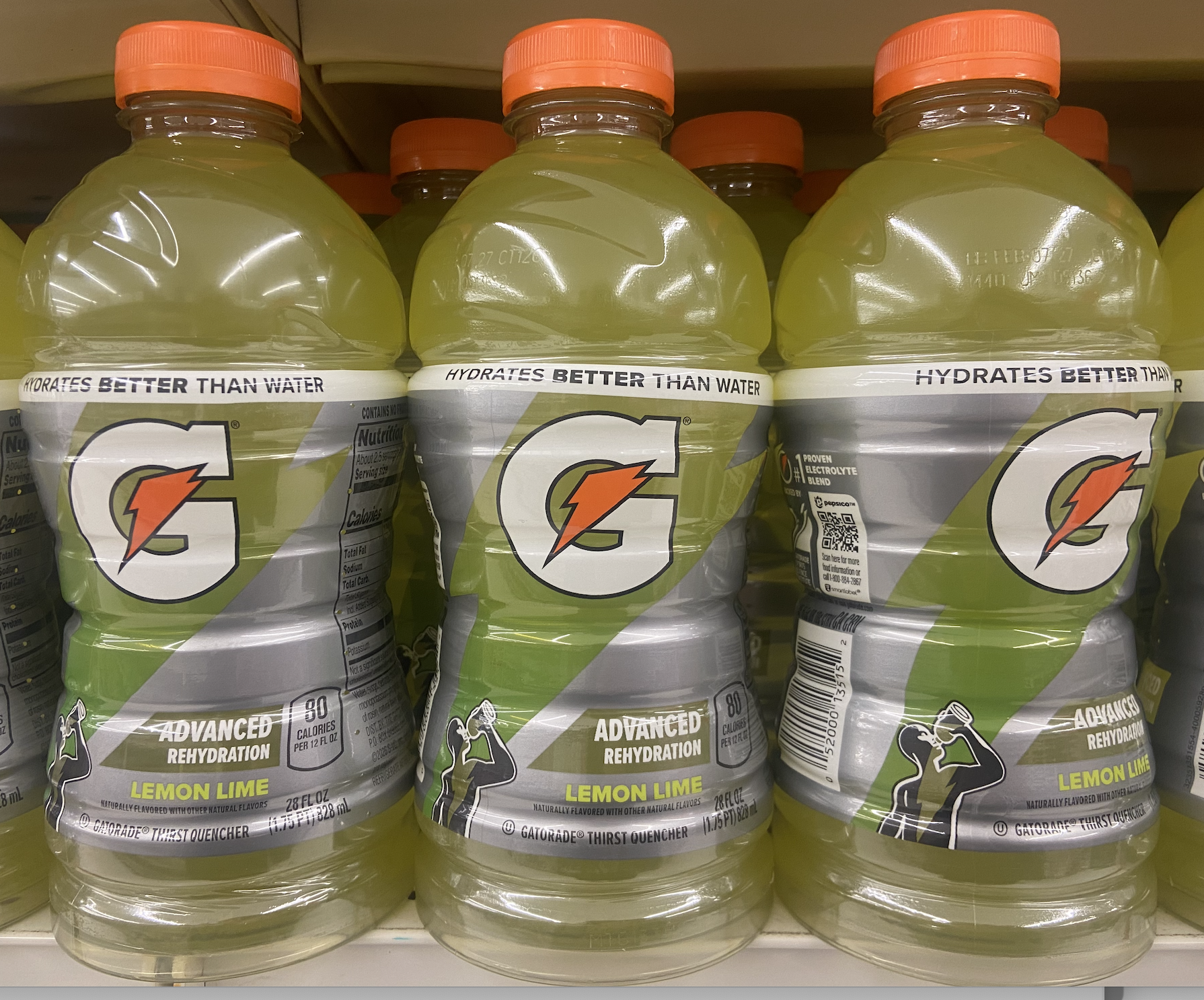
Does Gatorade ‘Hydrate Better than Water’?
Lawsuits takes aim at sports drinks’ superior hydration claim.
In 2019, a class-action lawsuit was filed against the publisher of the online video game Star Trek Fleet Command alleging that the game, which is free to play, defrauds players who purchase content, upgrades, and improvements in the game’s virtual economy. The complaint claims that the game misrepresents the capabilities and benefits of virtual goods that players purchase to advance in the game and decreases the value and effectiveness of goods after players purchase them. Plaintiffs also claim that the company does not issue refunds to players who purchased goods and lost them through no fault of their own. The complaint was originally filed in September and amended in October. The lawsuit was transferred from state court to federal court later in October. (Ackies et al v Scopely, Inc., Case No. 19-cv-19247, D.N.J.)
For more of TINA.org’s coverage of video games, click here.
Lawsuits takes aim at sports drinks’ superior hydration claim.

Esther Lian, Inc.com
Georgia Fearn, Inc.com
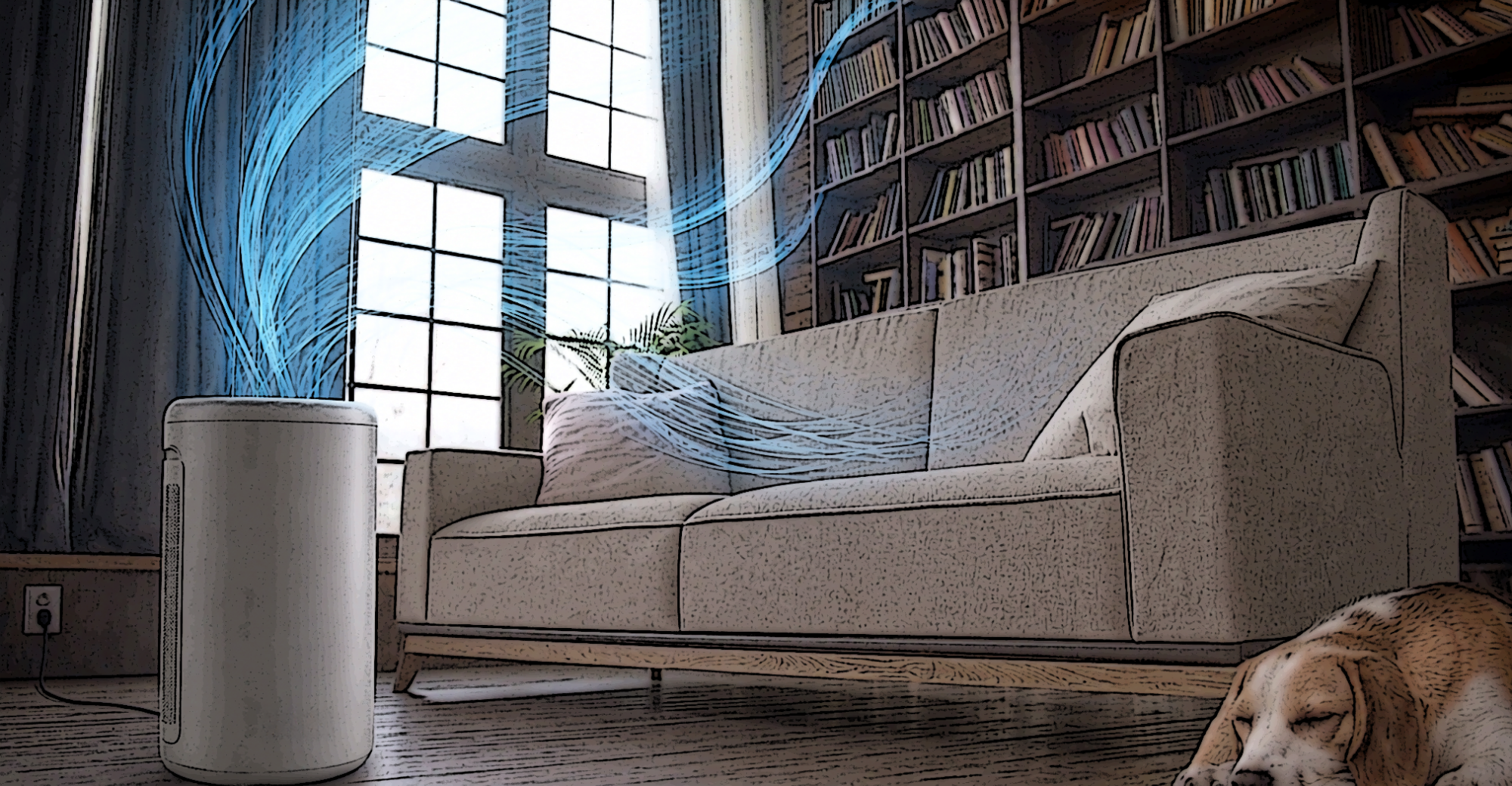
Lawsuits attempt to clear the air.

These “waterless” beauty products contain some surprising ingredients.