
NCPW 2025: Fighting against Deceptive Marketing
If you’ve been misled by an ad, regulators want to hear from you. We do too.
In March 2018, a class-action lawsuit was filed against Rebbl, Inc. for allegedly falsely advertising its “Elixirs” and “Proteins” beverages. Specifically, the complaint alleges that the company markets the beverages as providing various health and body benefits – including that the beverages have positive effects on joint health, fatigue, immunity, and cardiovascular strength and that their ingredients “strengthen the body’s own adaptive resilience to stressors” – when, according to plaintiffs, the claims are not supported by adequate scientific evidence. The complaint also claims that the company deceptively implies that the beverages are healthier than other beverages and that the product labels say “coconut milk” but list water and coconut creme as sub-ingredients of coconut milk. (According to the complaint, coconut milk separates hours after it has been obtained and the company takes one of the layers — coconut crème — and dilutes it to get its “coconut milk.”) (Richburg et al v. Rebbl, Inc., Case No. 18-cv-1674, Case No. 18-cv-1674, E. D. NY.)
If you’ve been misled by an ad, regulators want to hear from you. We do too.

It’s easier to rack up hidden fees than it is to cancel.

The only thing more “ridiculous” than the touted benefits is the cancellation process.

Under a proposed bill, theaters could be fined for making moviegoers guess.
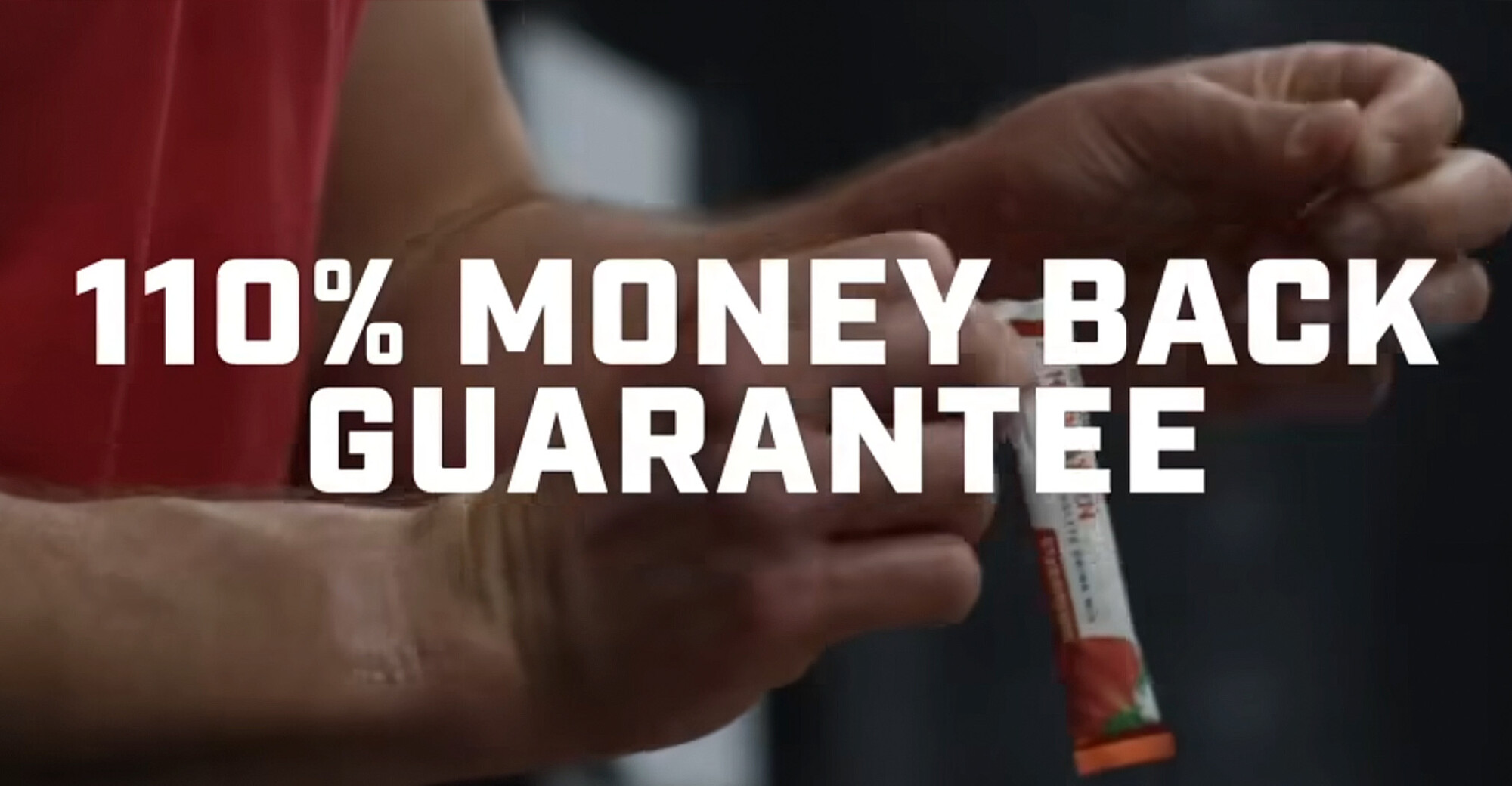
Money-back guarantee comes up woefully short of advertised percentage.