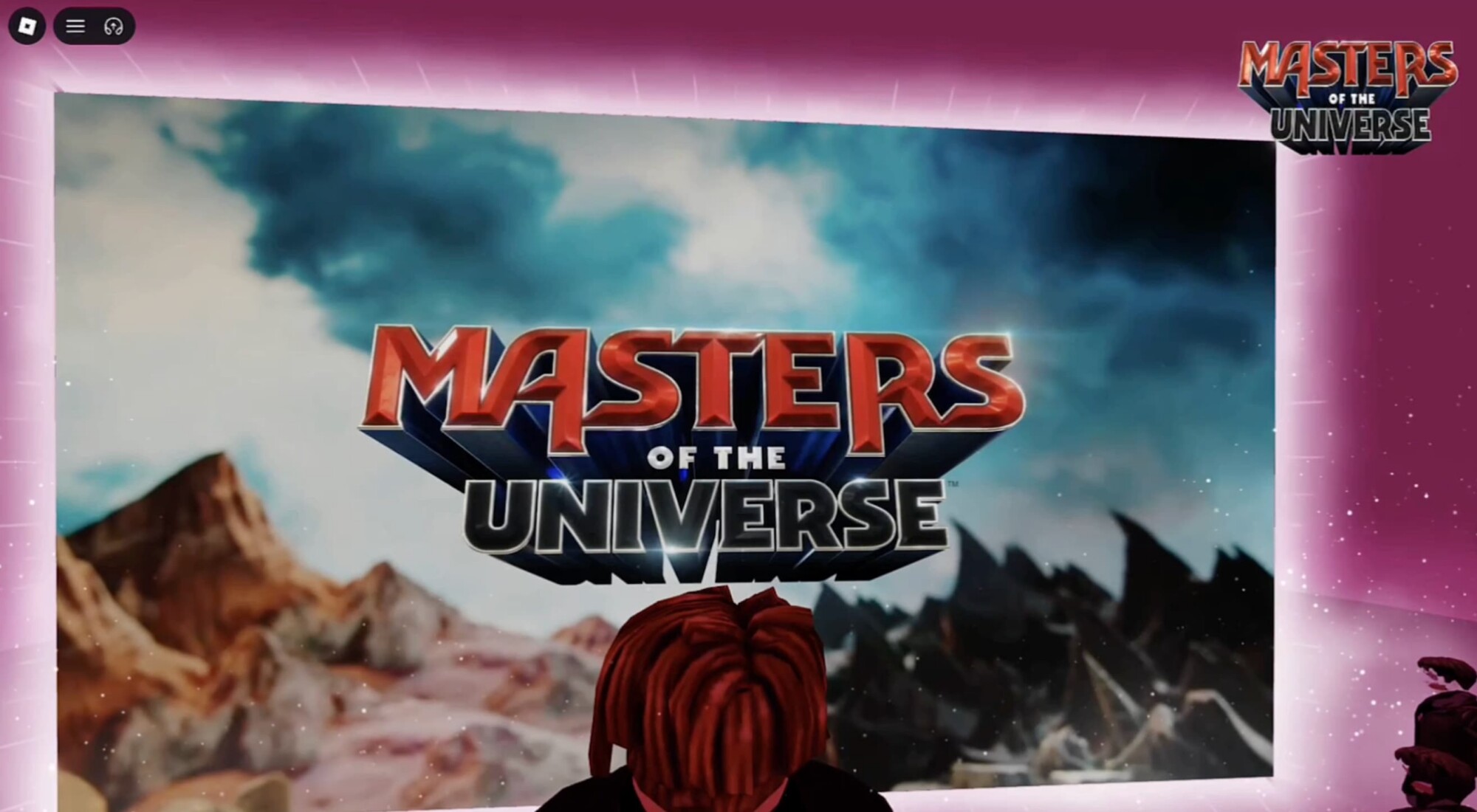
‘Masters of the Universe’ on Roblox
Roblox sends players on an ad-venture.
March 2019: A federal judge dismissed this action concluding that plaintiffs lacked standing and failed to allege the specific factual allegations required to state a claim for relief. The judge gave the plaintiffs 30 days to file an amended complaint.
April 2018: A class-action lawsuit was filed against Publishers Clearing House (PCH) alleging that the company’s mailings that promote its lotteries and sweepstakes are combined with advertisements for PCH merchandise, leading consumers to mistakenly believe that they need to purchase products in order to enter a lottery or sweepstakes drawing. Plaintiffs also allege that PCH falsely represents that consumers’ odds of winning prizes are linked to the amount of purchases they make when that is not true, and that PCH sends consumers ads deceptively disguised as mail telling them that they have won prizes when they haven’t in order to induce them to contact the company. Plaintiffs also allege that PCH sells consumers’ personal information to other marketers. To read the complaint and learn about all of the allegations, click here. (Wright et al v. Publishers Clearing House, Inc. et al, Case No. 18-cv-2373, E. D. NY.)
Roblox sends players on an ad-venture.
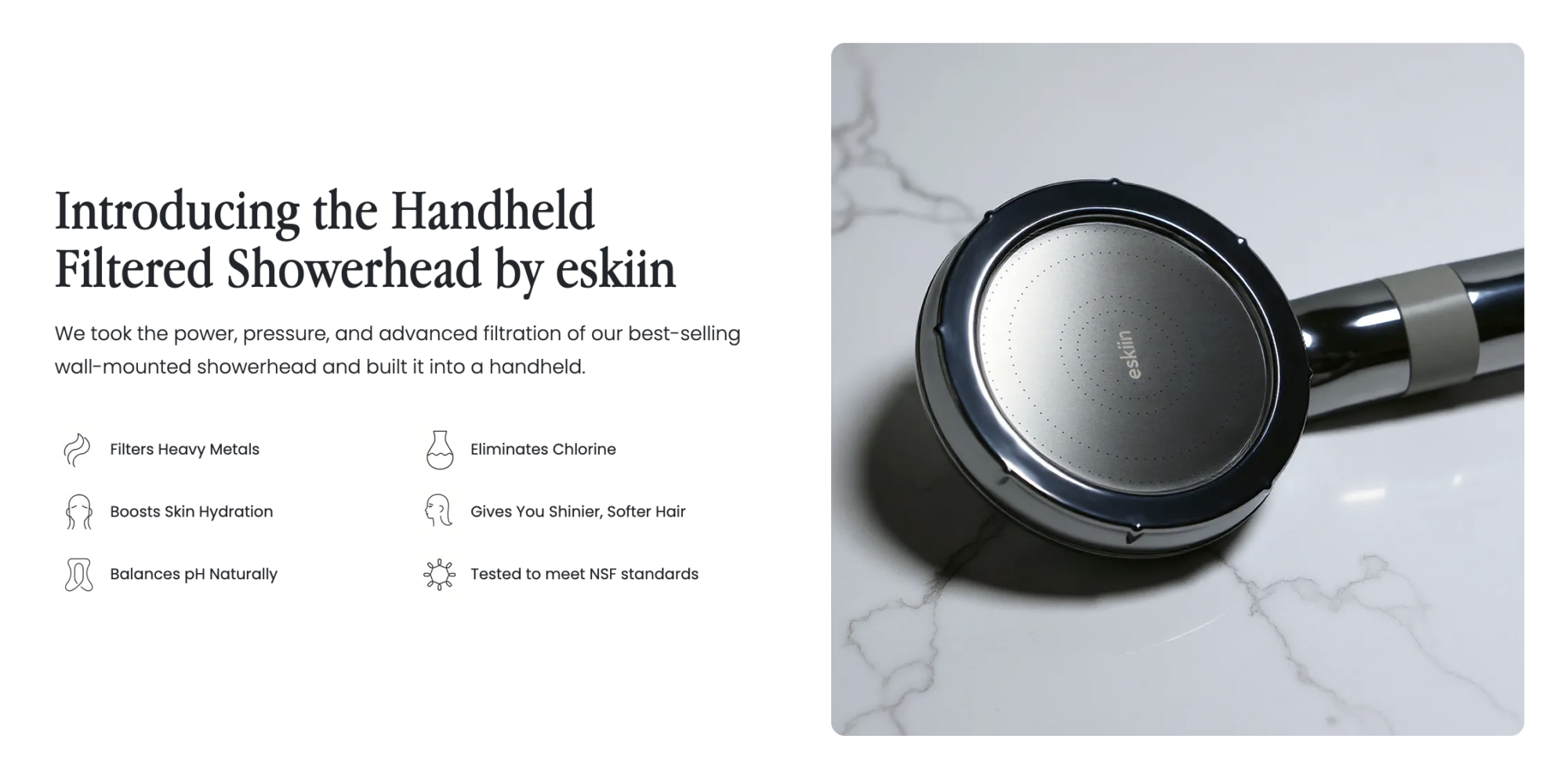
Send these marketing claims to the shower.
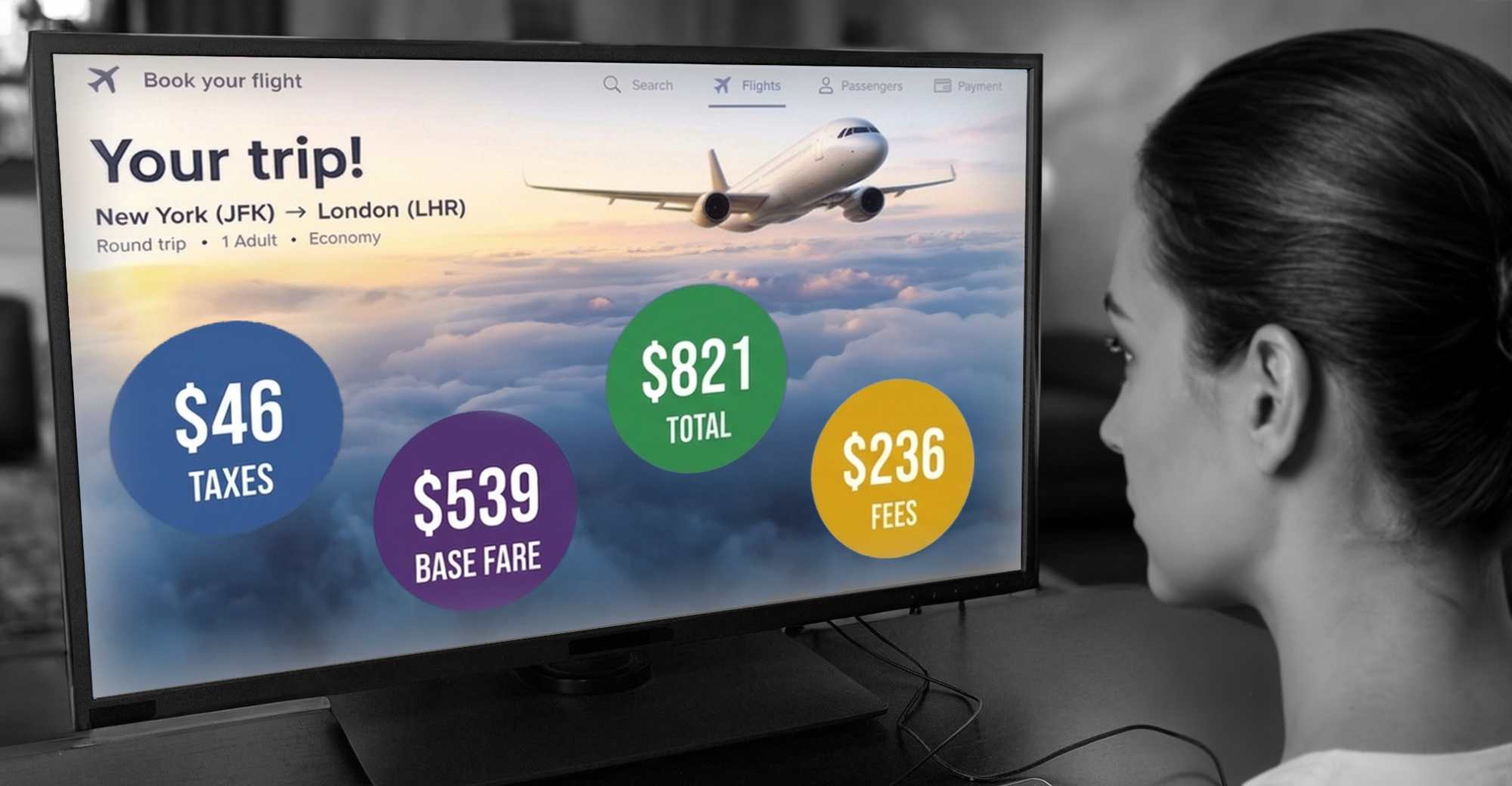
A proposed rule change could make it harder to know what you’ll actually pay for a flight.

TINA.org unwraps the hidden cost of these gift boxes.
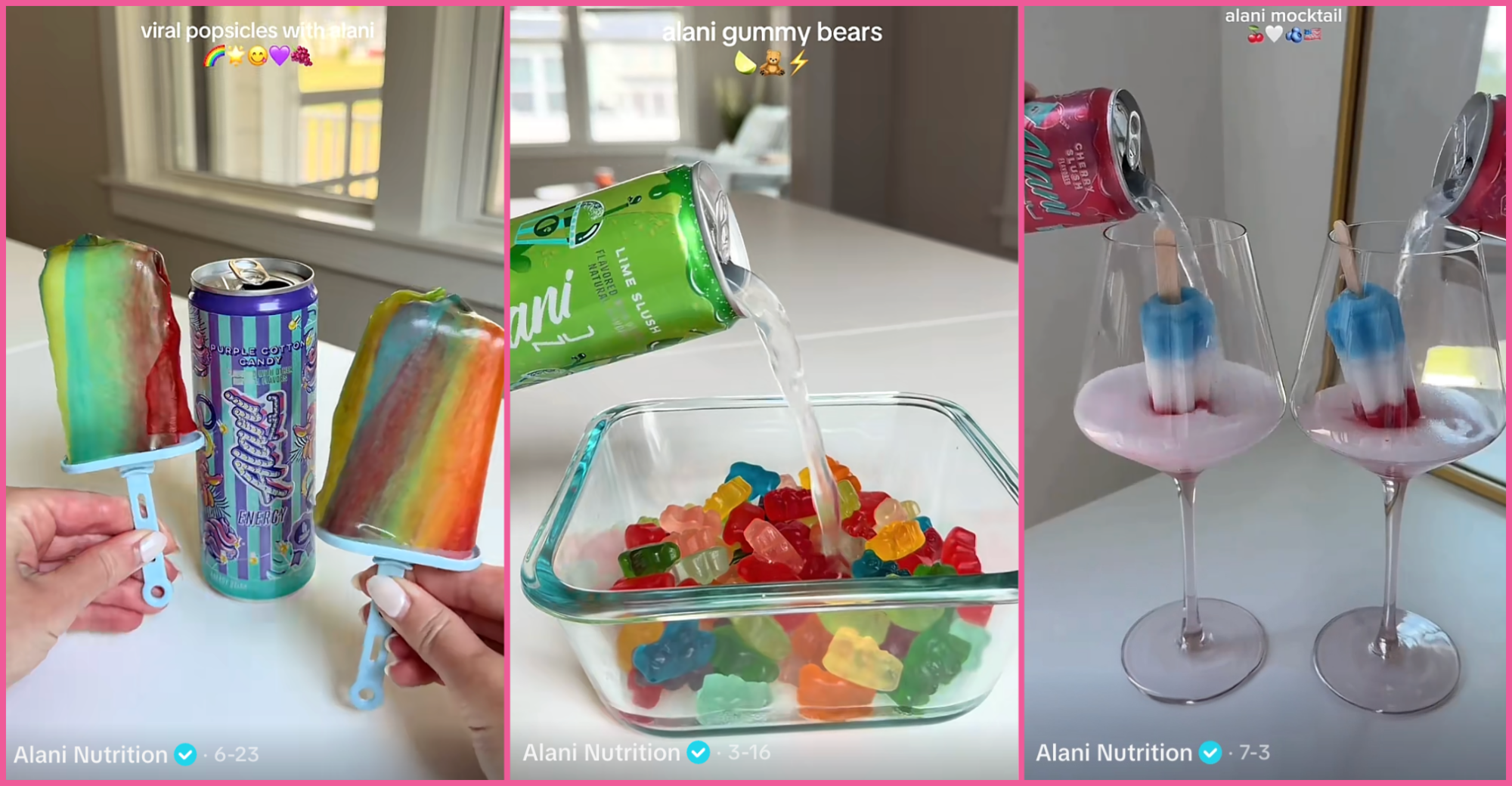
Following lawsuit, Texas AG launches probe into energy drink’s “youth-oriented branding strategies.”