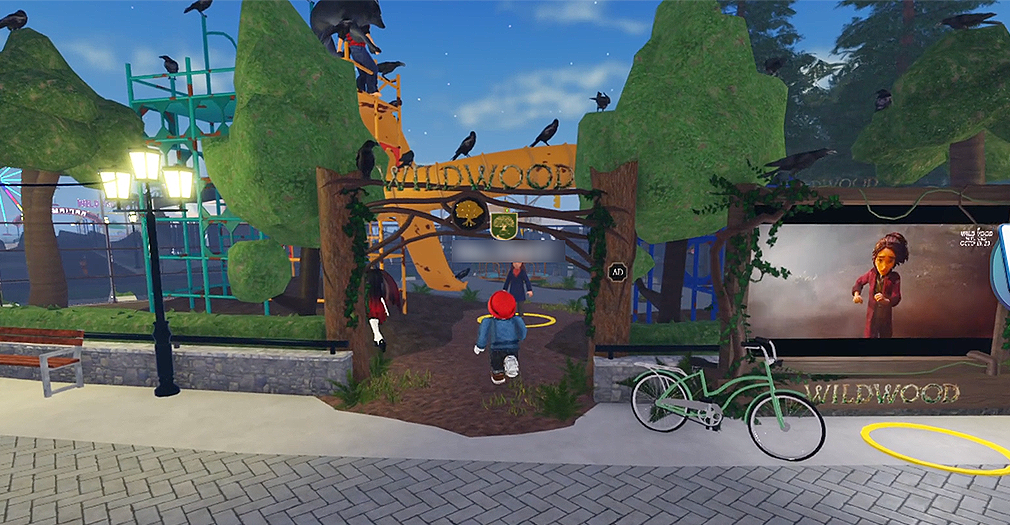
‘Wildwood’ Ads Pulled from Kid-Friendly Roblox Game Following TINA.org Inquiry
TINA.org found that movie ads in Life Together violated platform policy.
In February 2020, a class-action lawsuit was filed against advertisers of Nuvega Lash for allegedly falsely marketing cosmetics on various websites and in social media advertisements. Among other things, the complaint alleges that the advertisers:
Plaintiffs also claim that disclosures containing the subscription terms do not appear on mobile or tablet devices, and are inadequate on desktop computers because the font size is too small, the color of the font is “almost unreadable against the background,” and the information is in a lengthy paragraph of text. (Adam et al v. Barone et al, Case No. 20-cv-761, N.D. Cal.)
For more of TINA.org’s coverage of cosmetics, click here.
TINA.org found that movie ads in Life Together violated platform policy.
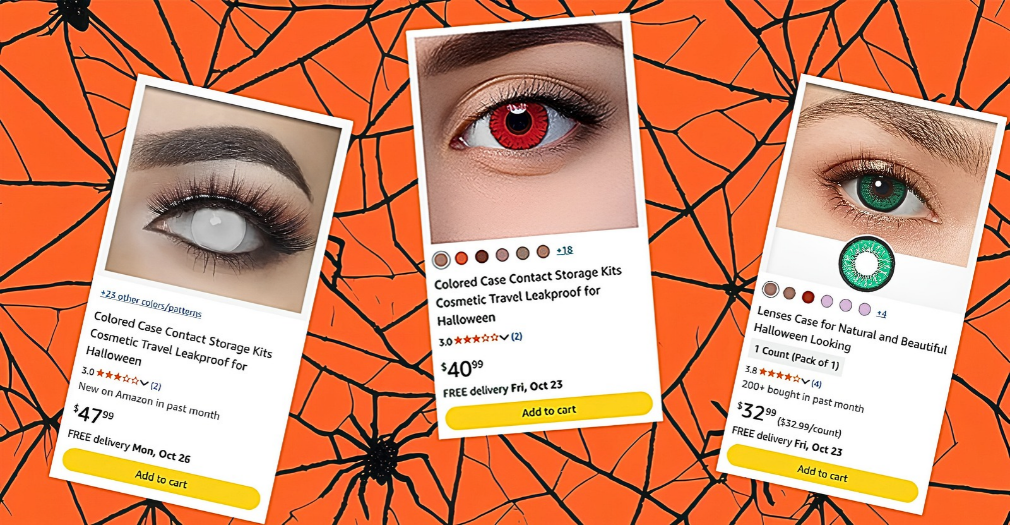
Why these products could lead to a Halloween horror story.

Whatever your cat’s special thing may be, make sure their sitter gets how special it really is.

Is it possible to get “freshly ground” coffee from a coffee pod?
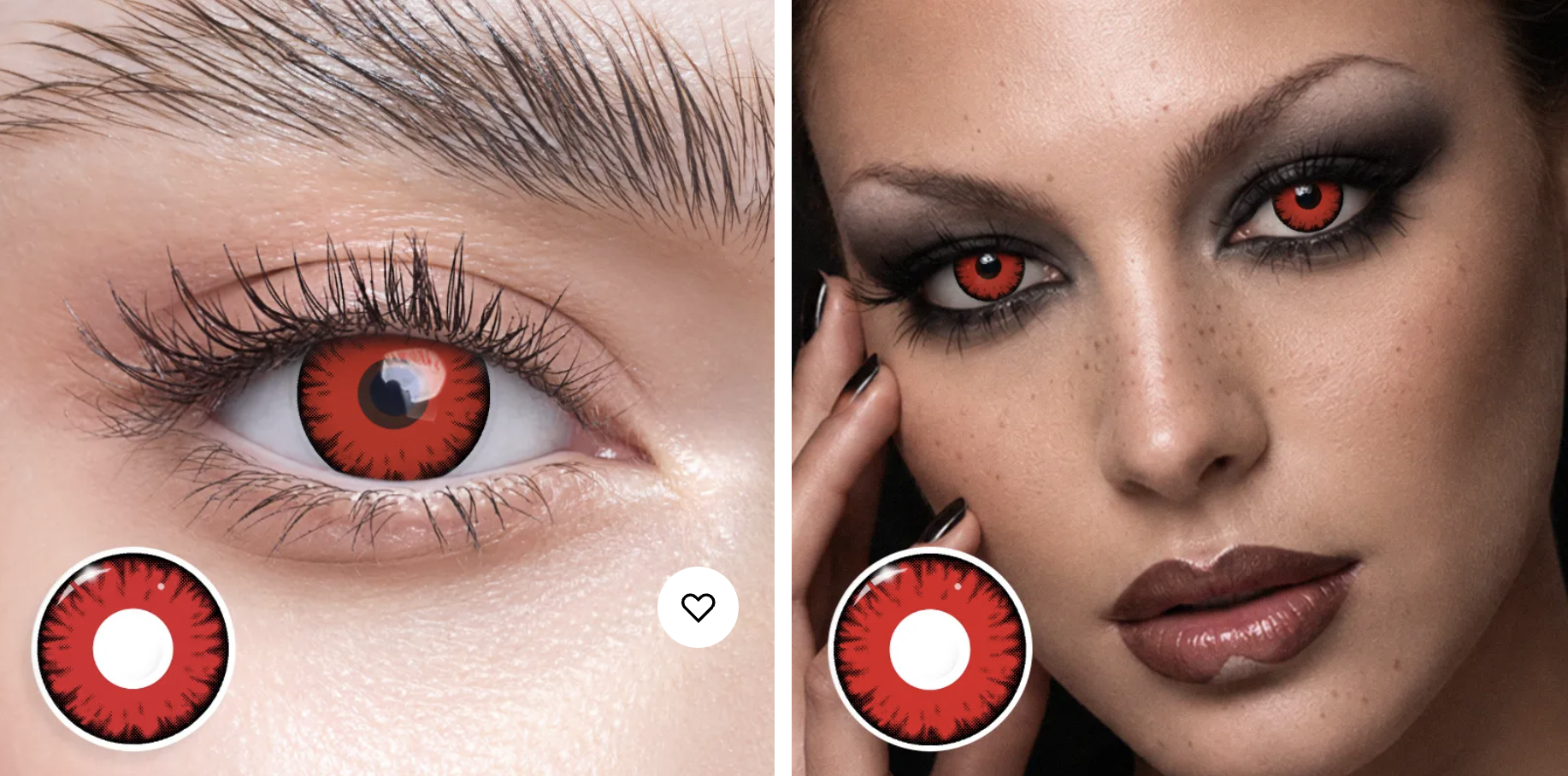
Why wearing these products can be a prescription for disaster.