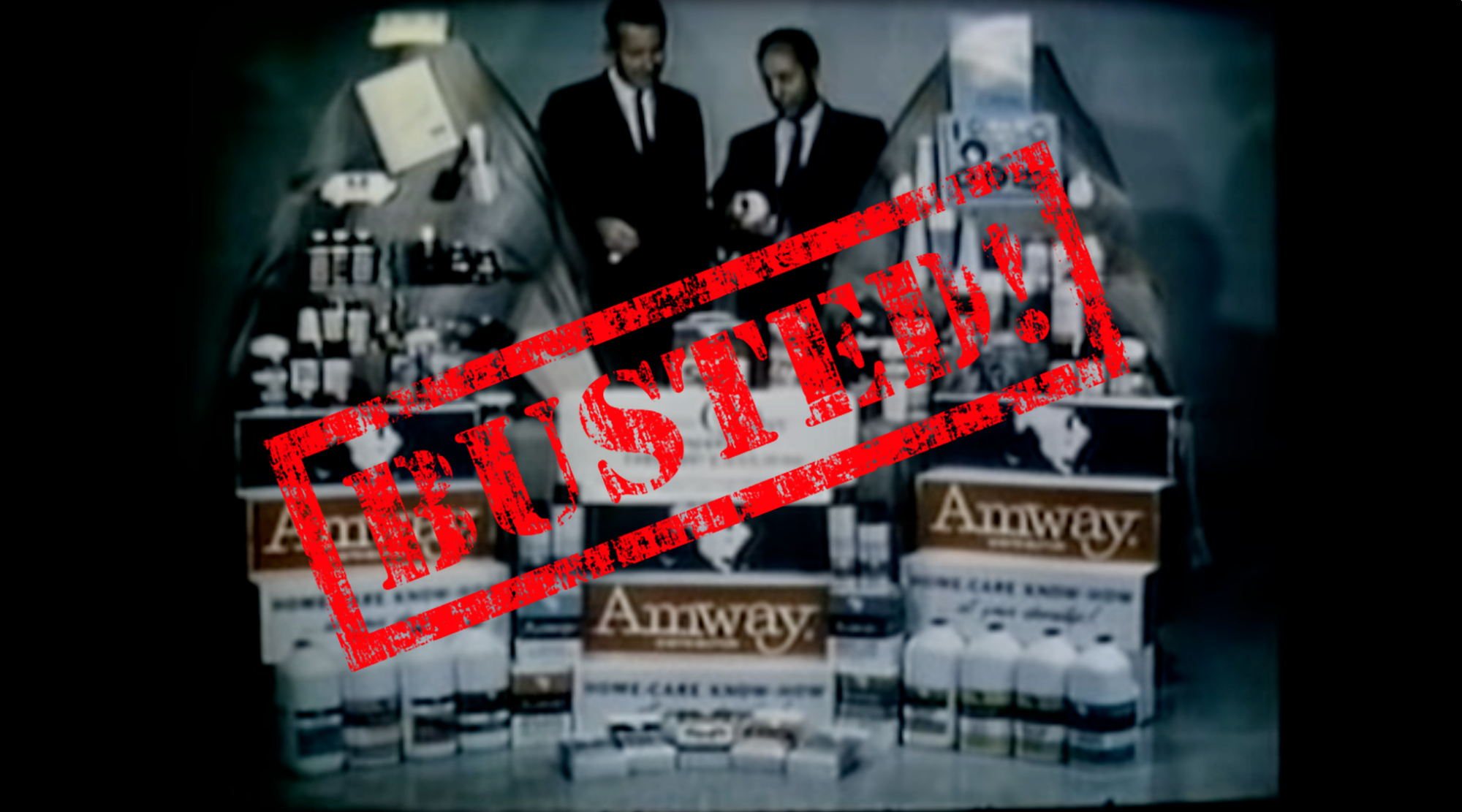
FTC Takes Decisive Action Against Amway
Agency alleges MLM misled recruits about earnings, pressured distributors to buy products and encouraged fake retail sales.
In January 2016, a class-action lawsuit was filed against Nutiva, Inc. for allegedly misleadingly marketing various Nutiva coconut oil products, including Organic Extra Virgin Coconut Oil, Organic Virgin Coconut Oil, and Refined Coconut Oil. The complaint alleges that the company misleadingly markets coconut oils as healthy, as well as a healthy alternative to butter and other oils when they actually contain a high level of saturated fat and therefore increase the risk of cardiovascular heart disease. In addition, the complaint alleges that the labeling and advertising of Nutiva’s coconut oils violates several federal and state food regulations. The lawsuit was transferred to federal court in February 2016. (Jones et al v. Nutiva, Inc., Case No. 16-cv-711, N. D. CA.)
For more information about other class-action lawsuits regarding coconut oil and TINA.org’s coverage of the product, click here.
Agency alleges MLM misled recruits about earnings, pressured distributors to buy products and encouraged fake retail sales.

MADISON, CONN. Sept. 14, 2026 – Need a passport? Be wary of paying a passport courier for help, according to consumer advocacy group truthinadvertising.org (TINA.org). After a lengthy investigation, the…
TINA.org calls on regulators to crack down on rampant deceptive marketing among registered couriers.
Think twice before paying a private passport courier.

Roblox sends players on an ad-venture.