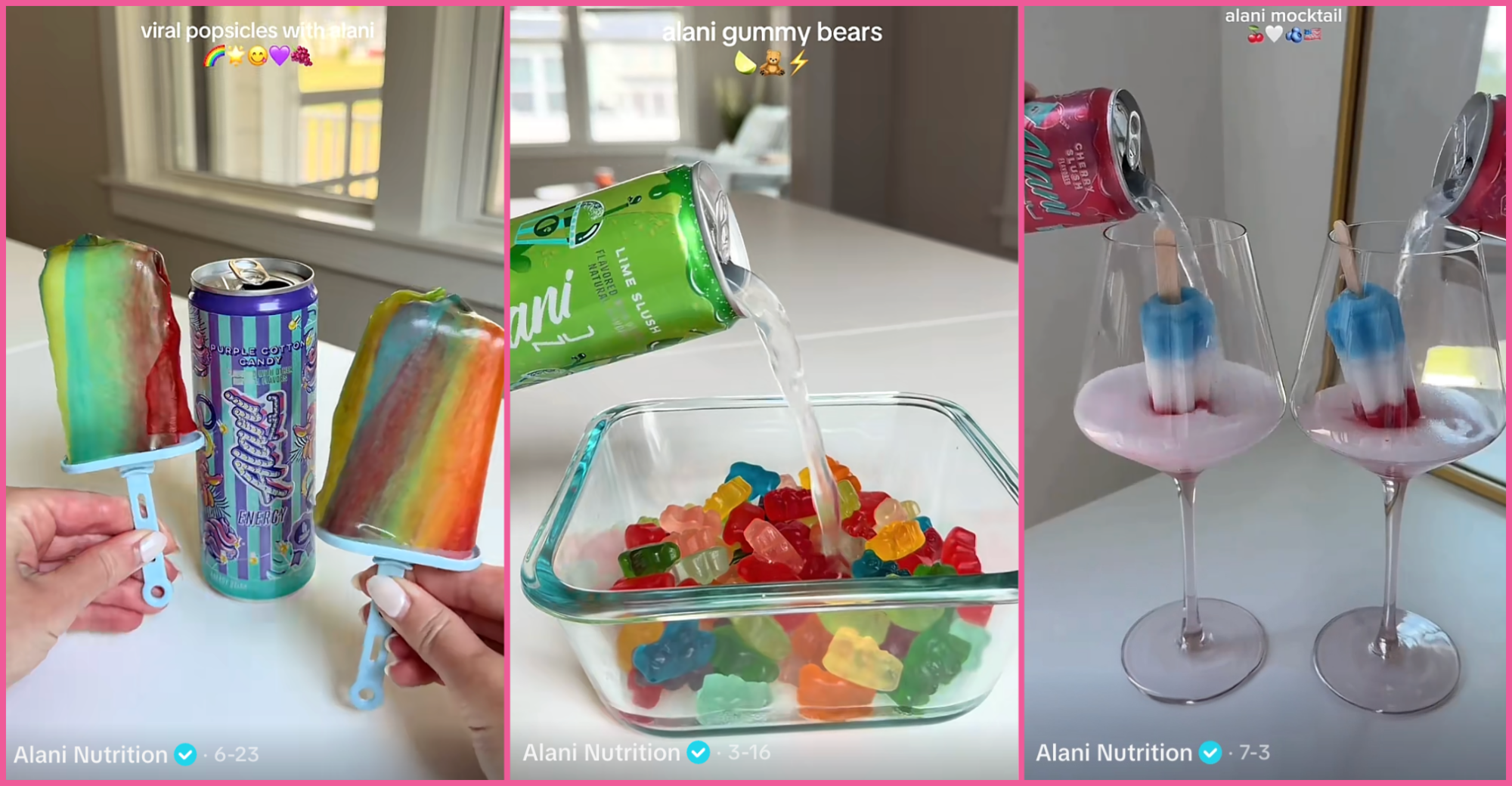
Alani Nu Facing Increased Scrutiny over Marketing to Kids
Following lawsuit, Texas AG launches probe into energy drink’s “youth-oriented branding strategies.”
A false advertising class-action lawsuit was filed against Lung Institute, a company that operates medical offices and provides stem cell therapy procedures. The complaint, which was originally filed in 2016 and amended in December 2017, alleges that the company misleadingly advertises that its procedures “repair[], replace[], and regenerate[]” lung tissue and treats serious diseases – including COPD and Crohn’s Disease – without any scientifically credible evidence to support such claims. Plaintiffs also claim that the company “masquerad[es]” as a medical institute and its “medical directors” are not pulmonologists. The case was transferred from state court to federal court in December 2017. (Rivero et al v. Lung Institute, LLC, Case No. 17-cv-3113, M. D. FL.)
Following lawsuit, Texas AG launches probe into energy drink’s “youth-oriented branding strategies.”

What you need to know about this shady e-commerce site.

It’s all in the family.

Lawsuits accuse companies of misleading families about their services.

What were these adult skincare products doing in this 13+ Roblox experience?