
‘Bet Now’: How Wagering Apps’ Push Notification Ads Bombard Consumers
TINA.org joins petition urging FTC to require consent and opt-out for gambling marketing.
In November 2013, the Ninth Circuit upheld a California district court’s decision to dismiss a class-action lawsuit filed against HBB, LLC, maker and marketer of Lazy Cakes. The complaint, which was originally filed in 2011, alleged that the company failed to inform consumers about the serious side effects stemming from the excessive quantity of melatonin in the Lazy Cakes, and that consumers were therefore misled into buying an unsafe product. The federal appeals court determined that the plaintiffs did not show that a reasonable consumer was likely to be deceived by the company’s marketing because the Lazy Cakes packaging describes the product as a relaxation agent, discloses the presence and quantity of melatonin in each serving, and warns consumers about the risk of drowsiness.
The federal appeals court, however, is allowing the plaintiffs an opportunity to refile their complaint since it may be possible for them to allege facts with enough detail to get beyond dismissal a second time around. (Cheramie v. HBB, LLC, Case No. 12-55148, U.S. Court of Appeals for the Ninth Circuit).
TINA.org joins petition urging FTC to require consent and opt-out for gambling marketing.
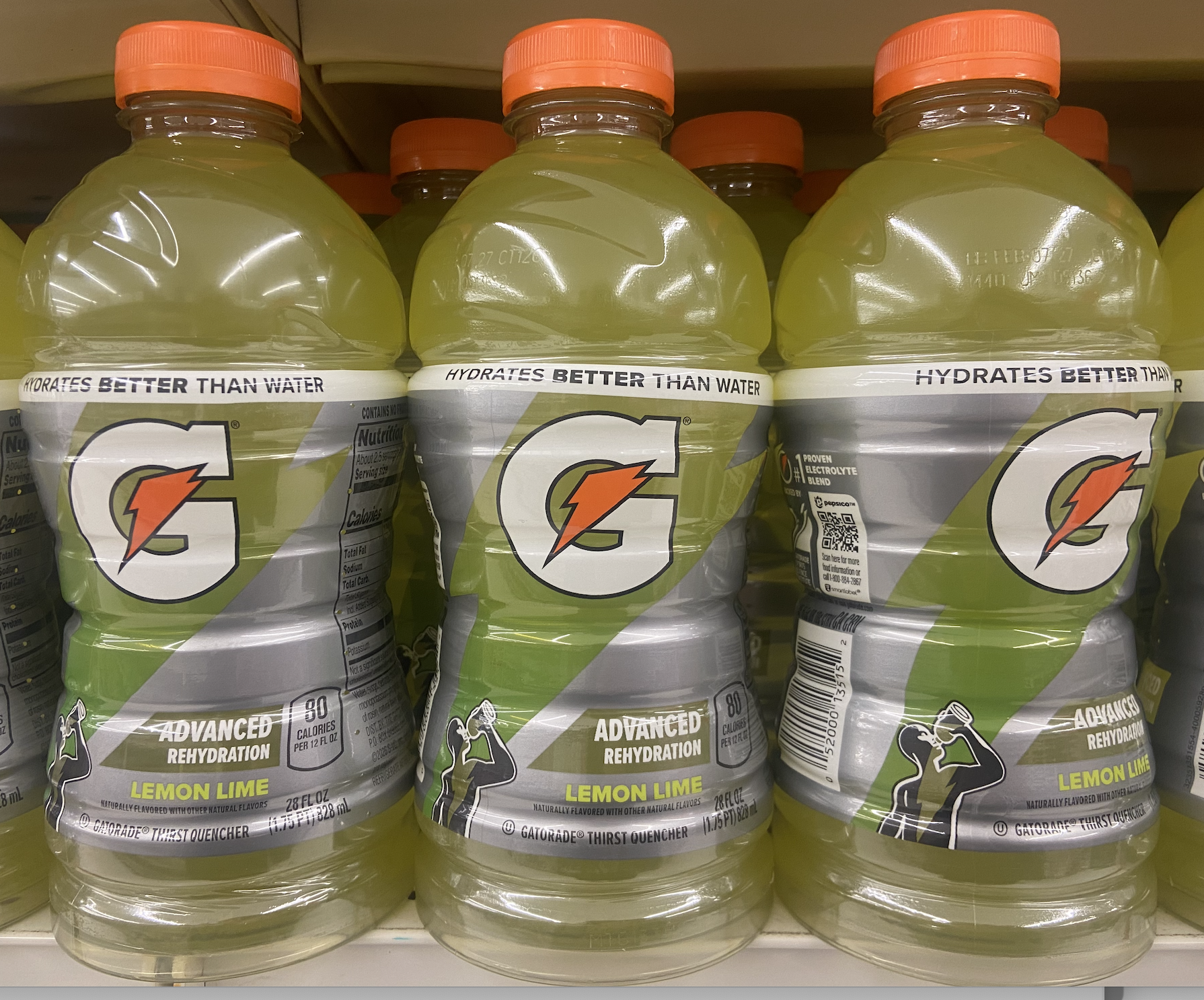
Lawsuits takes aim at sports drinks’ superior hydration claim.

Esther Lian, Inc.com
Georgia Fearn, Inc.com

Lawsuits attempt to clear the air.