
Netflix: What Next?
When you find the thing you never knew you needed, it can bring everyone together.
After agreeing to settle FTC charges that it violated federal law by falsely marketing its Frosted Mini-Wheats as “clinically shown to improve kids’ attentiveness by nearly 20%,” Kellogg was hit with a class-action lawsuit in 2009 that closely mirrored the FTC’s claims of deceptive marketing. (Dennis, et al. v. Kellogg Co., Case No. 3:09-cv-01786-IEG (WMC), S.D.Ca.)
Update: Although Kellogg denied any wrong doing, in August 2009 it agreed to settle the lawsuit for, among other things, $2.75 million in consumer refunds. Information about the purported settlement can be found at www.cerealsettlement.com. However, on July 13, 2012, the appellate court rejected the settlement agreement explaining that it was unfair to consumers, lacked necessary details, and paid the plaintiffs’ attorneys an excessive hourly fee ($2,100/hr).
Update: In May 2013, a California federal judge preliminarily approved a $4-million settlement that would resolve a dispute between Kellogg Co. and consumers who claim the company falsely advertised its Frosted Mini-Wheats cereal’s brain-boosting power.
When you find the thing you never knew you needed, it can bring everyone together.

Purported closing-down sale is deceiving consumers, with the help of AI.
Company hits snooze on promised marketing changes.

Matt Gephardt, KSL.com
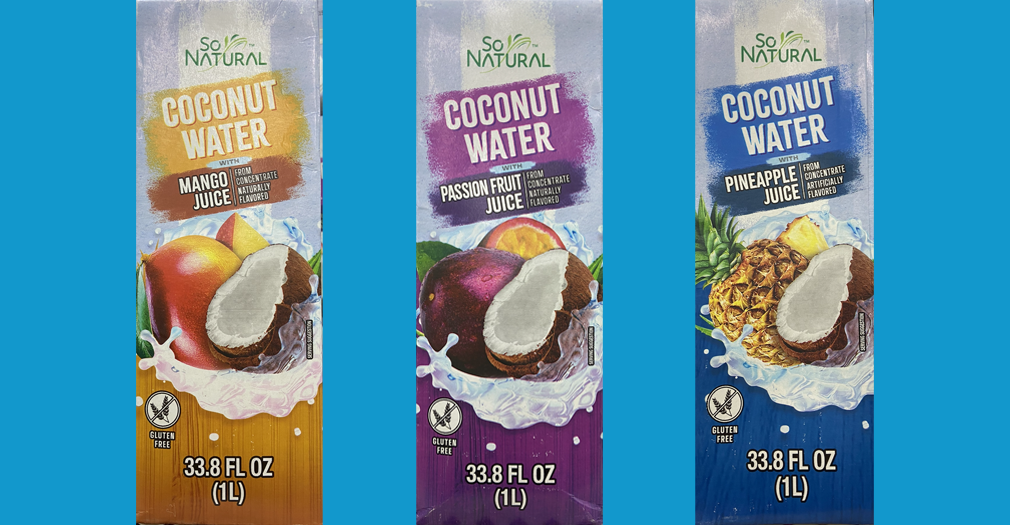
Is this drink’s packaging whispering sweet nothings?