How Ethos Sold Wall Street on AI While Powering an Analog Boiler Room
Jenny Ahn, Michelle Cera, Ruth Reader, Hunterbrook
November 2014: After preliminarily approving this settlement in May 2014, a federal judge granted final approval of the $14 million settlement.
April 2014: The parties moved for preliminary approval of a $14 million settlement of the class-action lawsuit. According to the settlement terms, class members may receive either a $15 refund or free products for each purchase of a Hydroxycut product (proof of purchase is required for class members making requests for more than three products).
November 2013: The Court denied final approval of the settlement finding that the settlement’s provisions regarding the (French for “as near as possible”): a legal doctrine that requires a judge to consider the manner in which unclaimed settlement funds in class action lawsuits are distributed. Under this doctrine, the remaining funds must be distributed for the indirect benefit of the class instead of benefiting the defendant. distribution did not satisfy the standards set forth by the Ninth Circuit Court of Appeals. Specifically, the Court found the (French for “as near as possible”): a legal doctrine that requires a judge to consider the manner in which unclaimed settlement funds in class action lawsuits are distributed. Under this doctrine, the remaining funds must be distributed for the indirect benefit of the class instead of benefiting the defendant. distribution reduced the amount that the company must pay and provided no additional benefit to the class. According to the settlement terms, class members would have received either a $25 cash refund or one product bundle with a value of at least $50 for each product purchased (proof of purchase was required when class members were making requests for more than one product).
November 2012: Back in 2009, following an FDA recall of Hydroxycut products based on findings that they cause serious liver problems, a series of class-action lawsuits were filed against the weight loss company. In November 2012, Hydroxycut finally reached a settlement — a whopping $25.3 million to resolve the allegations that the diet pills were deceptively advertised as safe and effective. (In re: Hydroxycut Marketing and Sales Practices Litigation, Case No. 9-md-02087).
Jenny Ahn, Michelle Cera, Ruth Reader, Hunterbrook

Lawsuits allege marketing doesn’t pass the smell test.

Recent ad encourages mothers to prioritize their mental health.
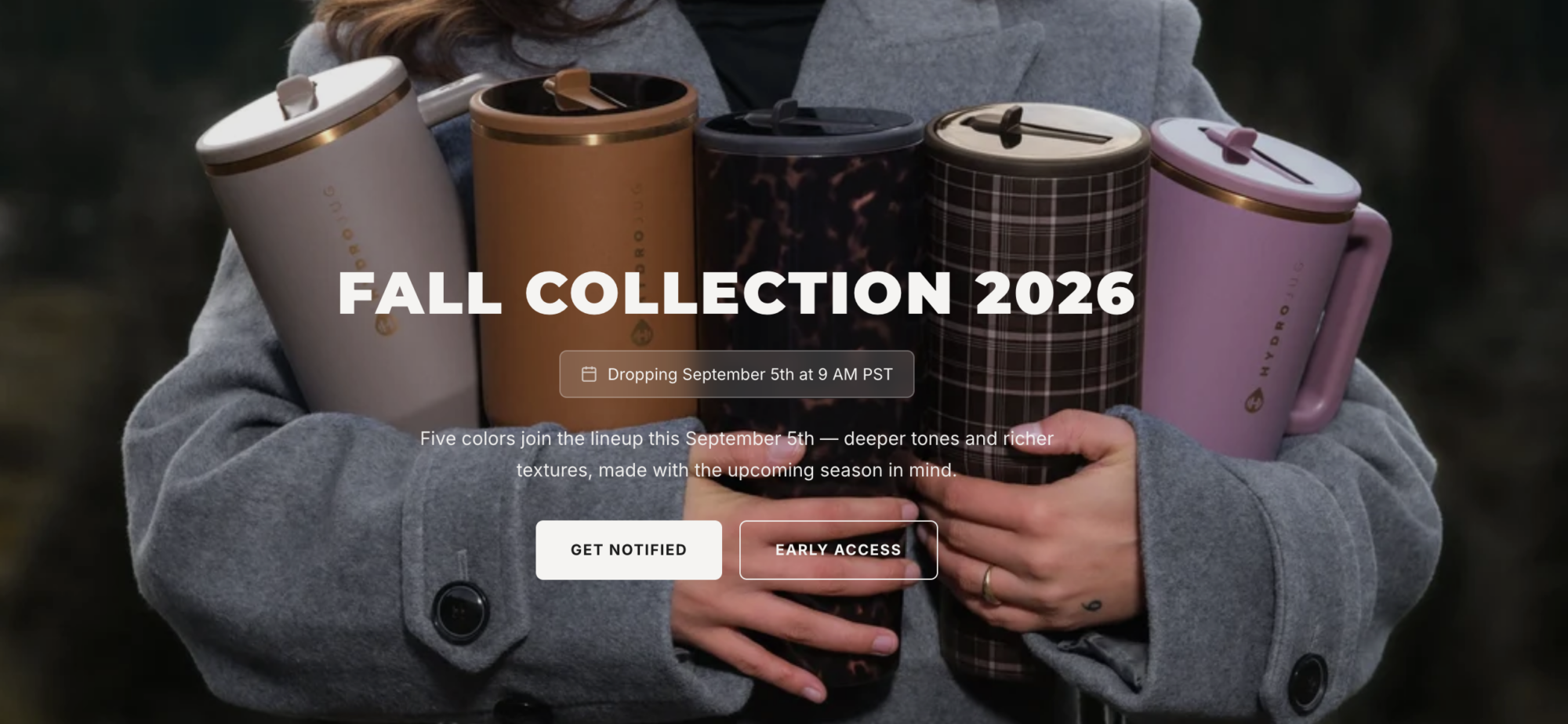
Can these bottles really keep drinks hot for up to six hours?

TINA.org and other consumer advocates file comment with FTC.