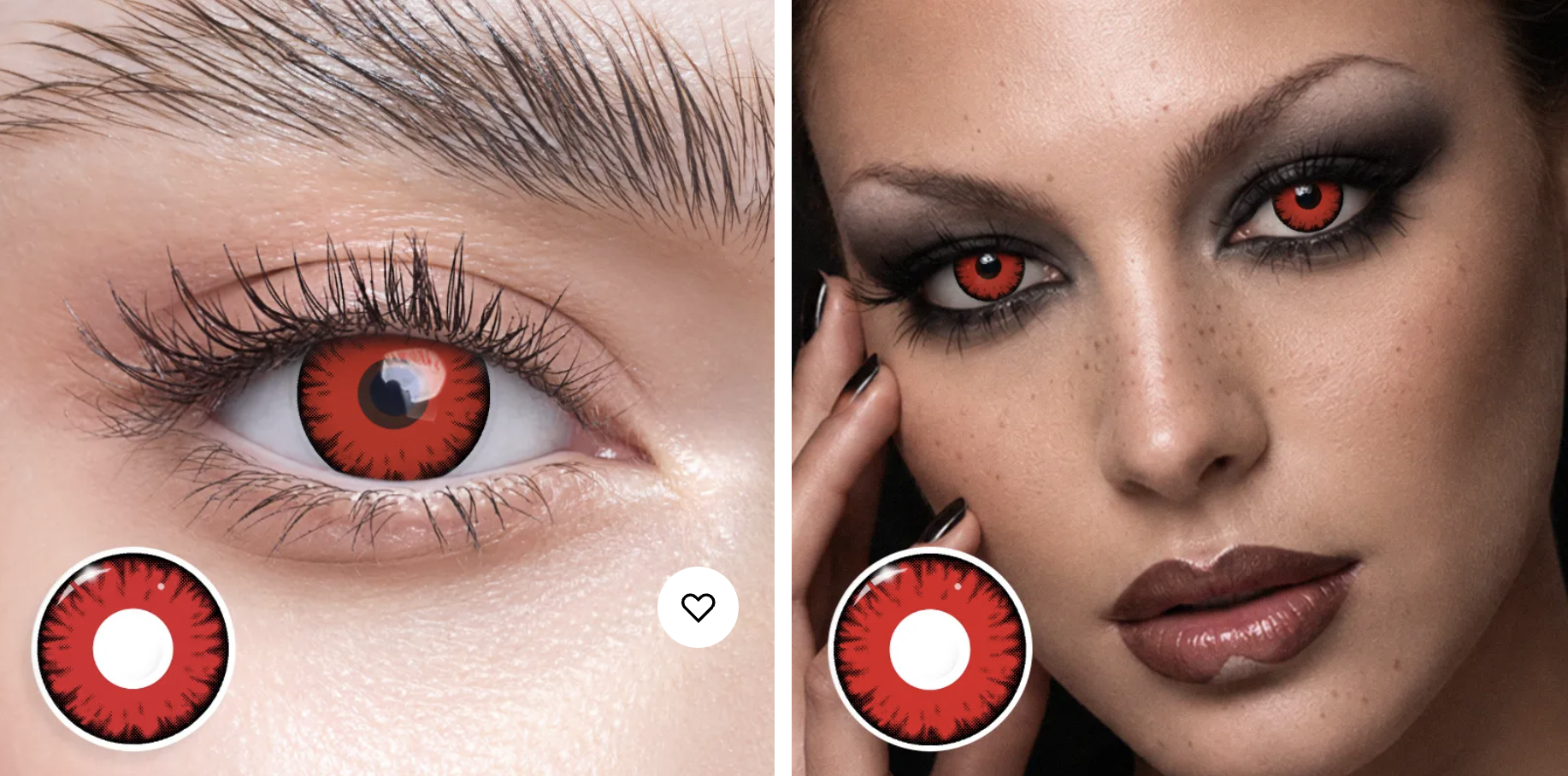
Haniix’s Non-Prescription Colored Contact Lenses
Why wearing these products can be a prescription for disaster.
January 2017: The Ninth Circuit Court of Appeals reversed the district court’s decision that Hertz violated a Nevada statute requiring certain disclosures to be made in advertising for leases and vacated the district court’s award of restitution (i.e., the monetary award) and prejudgment interest. Among other things, the appellate court found that Hertz’s practices were not misleading because the company quoted a rate that included the fees when plaintiffs made reservations. The appellate court also affirmed the dismissal of a Nevada state law claim and the certification of the class. To read the full decision and learn about all of the Court’s findings, click here.
December 2014: Plaintiffs filed a Notice of Cross-Appeal regarding the October 2014 judgment. Later in December, Hertz voluntarily dismissed its appeal, the reasons for which have not been disclosed.
November 2014: Hertz filed a Notice of Appeal regarding the October 2014 judgment.
October 2014: A federal judge found that Hertz violated state statutes and awarded $42.3 million to the class and just over $11 million in prejudgment interest. The complaint, which was originally filed in 2006, alleged that Hertz misleadingly advertised its rental car rates at Nevada airports by not including in the quote the airport concession recovery fees (i.e., fees charged by the airport of the rental company for the right to operate at the airport) that it was passing onto its customers. This practice of charging unbundled concession recovery fees is in violation of Nevada state law. (Sobel et al v. The Hertz Corporation, Enterprise Leasing Company-West, LLC, and Vanguard Car Rental USA, LLC, Case No. 06-cv-00545, D. Nev.).
Why wearing these products can be a prescription for disaster.

Who’s actually behind this purported local boutique?

A hidden subscription is just the start.

Jenny Ahn, Michelle Cera, Ruth Reader, Hunterbrook

Lawsuits allege marketing doesn’t pass the smell test.