
JBS: ‘Net Zero by 2040’
Regulators have a beef with company’s climate pledge.
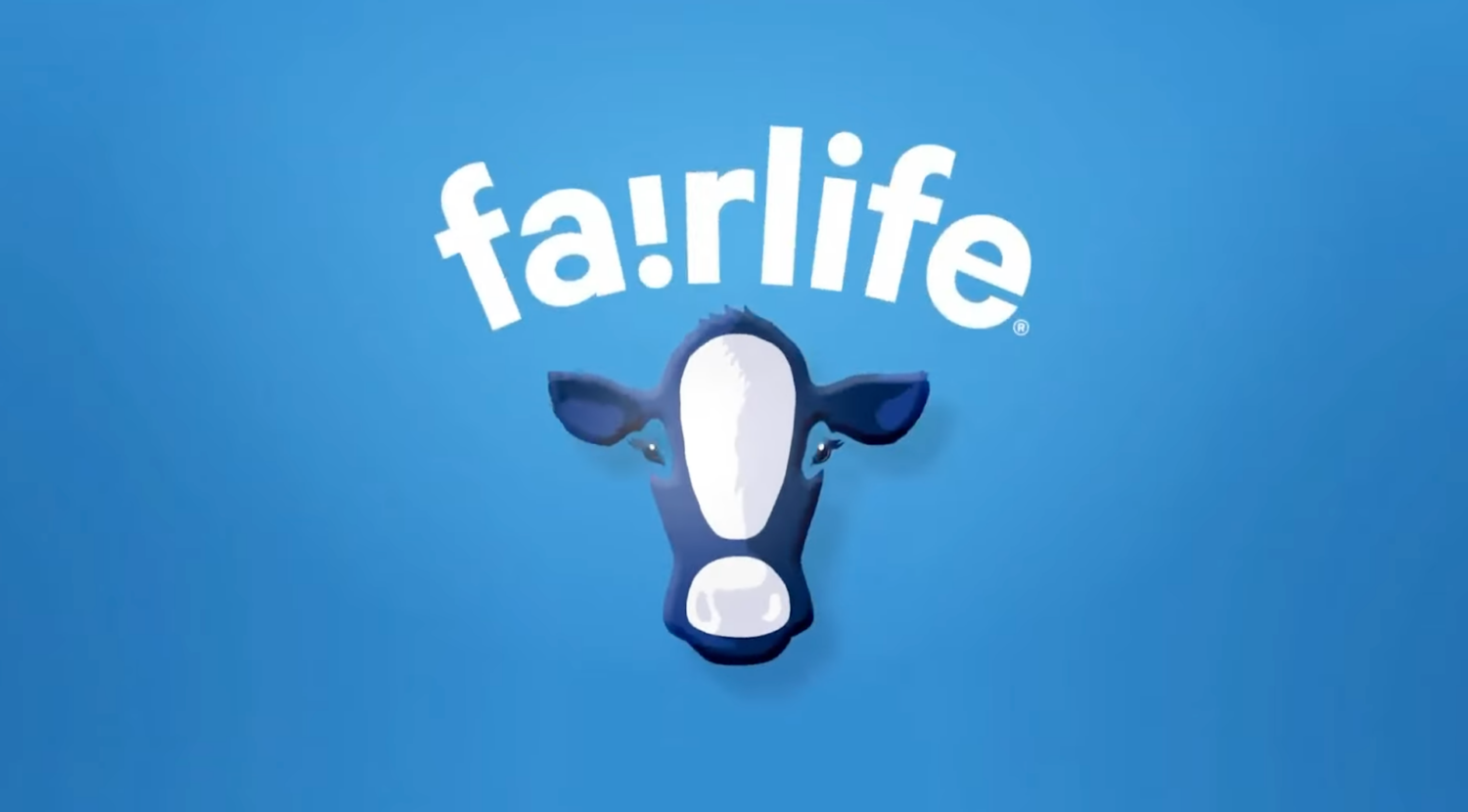
Are the cows that supply the milk for Fairlife living a fair life?
That is the question at the center of a lawsuit against Fairlife alleging the company supplies milk from facilities that abuse cows despite claims that it cares for animals and has zero tolerance for animal cruelty.
It’s not the first time the company’s animal welfare claims have been challenged.
To settle claims that it misled consumers by falsely marketing that its milk comes from humanely treated cows, Fairlife in 2022 agreed to a $21 million settlement requiring animal welfare training for employees at supplier farms, the establishment of new policies aimed at protecting animals from abuse and annual third-party audits of its supplier farms for three years.
However, the settlement did not require the company to make any marketing changes.
In fact, if the first annual audit showed “substantial compliance,” Fairlife was allowed to reintroduce language it had removed from labels during the course of the litigation, including a “promise” that it provides “extraordinary care and comfort for [its] cows.”
This time around, Fairlife may not get off so easy.
In a ruling last month, a judge allowed plaintiffs’ claim that the Fairlife logo is misleading to move forward – rejecting Fairlife’s argument that the logo amounts to nonactionable puffery. The judge noted:
Context [] helps here. Fairlife does not just put its brand name on the bottle; it places it above a cartoon image of a cow, leaving an unmistakable impression: Fairlife sources its dairy from cows that live fair lives. Taking as true at this pleading stage the substantial evidence that shows Fairlife sources its dairy from cows that live dreadful and appalling lives, it is plausible that Fairlife’s labeling is misleading.
The lawsuit remains pending.
Fairlife did not respond to a request for comment.
The bottom line
If the treatment of animals is an important factor in your purchasing decisions, remember that many animal welfare claims, such as “humanely raised” and “sustainable,” have no legal definition.
Find more of our coverage on food labeling terms.
Our Ad Alerts are not just about false and deceptive marketing issues, but may also be about ads that, although not necessarily deceptive, should be viewed with caution. Ad Alerts can also be about single issues and may not include a comprehensive list of all marketing issues relating to the brand discussed.
Regulators have a beef with company’s climate pledge.
Why you may find it hard to “do your slice.”

Lawsuit tells a different story about the treatment of workers on Starbucks’ source farms.