CATrends: Hypoallergenic Marketing Claims
A rash of lawsuits allege companies are misleading consumers.
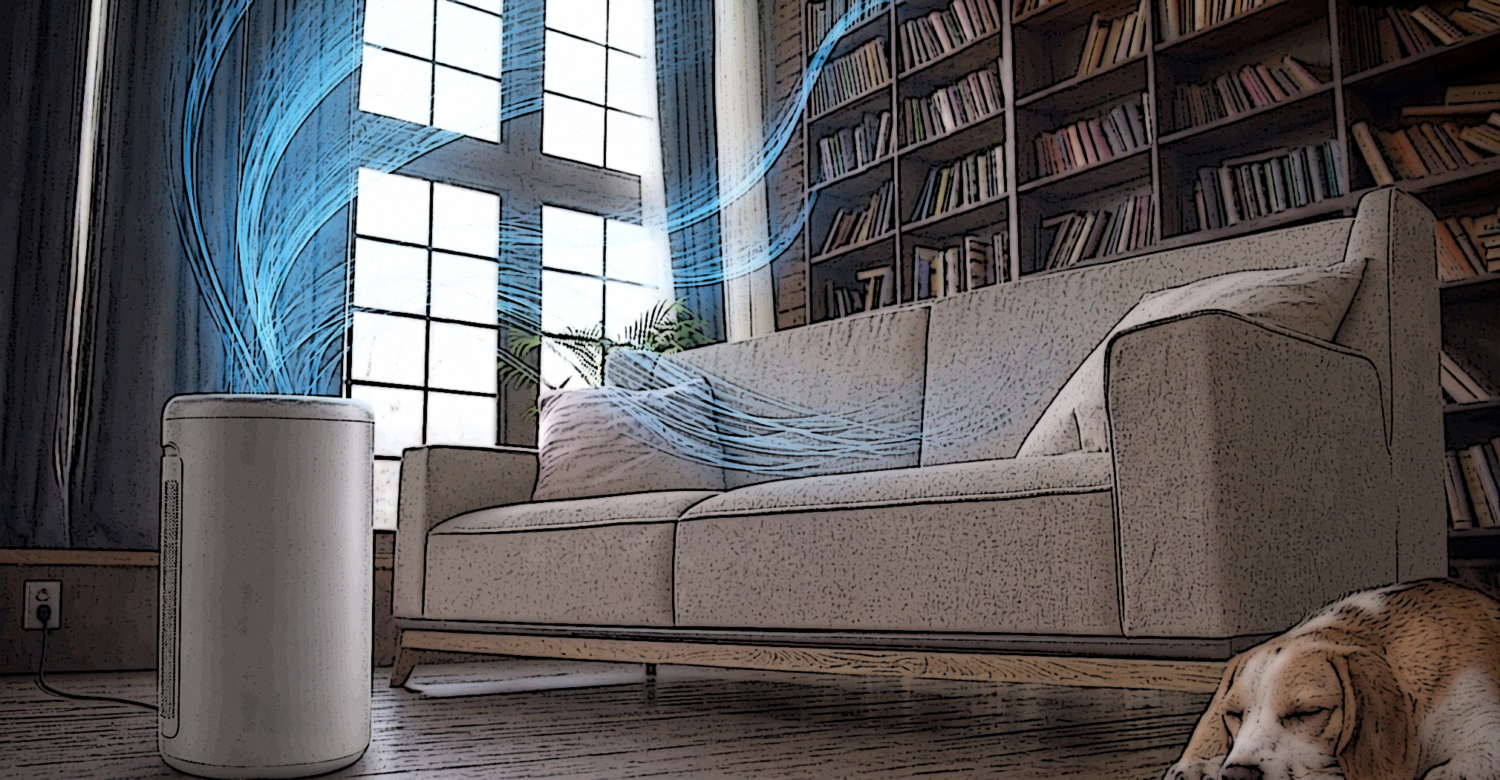
HEPA (high efficiency particulate air) filters are widely considered the gold standard in air purification.
Shown to remove nearly all airborne contaminants 0.3 micrometers in diameter, HEPA filter and air purifier sales exploded during the pandemic. Now, with dozens of wildfires raging across the U.S., consumers may once again be turning to these air filtration products to help clear their homes of harmful smoke.
However, according to a recent trend in class-action lawsuits, a number of HEPA filters and HEPA-equipped air purifiers do not actually meet HEPA standards. In order to be classified as a HEPA filter, the filter must be able remove at least 99.97% of airborne particles and many so-called HEPA filters allegedly fall short.
For example, a lawsuit against Honeywell alleges that despite marketing its air filters as “True HEPA,” independent testing found that the products “failed to reach the 99.97% threshold to be classified as HEPA.” The complaint, which was amended last month, states:
Reasonable consumers have had no opportunity to find this out for themselves because they cannot conduct HEPA standard testing. Instead, reasonable consumers rely on the representations Defendants make on their Products.
The complaint notes that Honeywell’s air filtration claims were previously the subject of an FTC enforcement action, which resulted in a settlement prohibiting the company from making unsupported filtration claims.
The lawsuit also alleges that despite Honeywell labeling its air filters as “Certified HEPA,” there is no formal HEPA certification program. The complaint is pending.
Other air purifier brands that have faced similar allegations regarding their HEPA claims in recent years include BreatheSmart, Hamilton Beach, Winix, Medify and Aroeve. All of these lawsuits have been voluntarily dismissed with the exception of the BreatheSmart complaint, which is pending.
Find more of our coverage on air purifiers.
A rash of lawsuits allege companies are misleading consumers.

Investigation gives birth to lawsuits challenging accuracy of prenatal tests.
Several products marketed as ‘non-drowsy’ contain an ingredient that causes drowsiness, lawsuits claim.