Monetizing Minors: Eric Befumo (aka Big Justice)
Brand partnerships worthy of a big “doom!”
Following lawsuit, Texas AG launches probe into energy drink's "youth-oriented branding strategies."
In response to a lawsuit alleging that high levels of caffeine in its Alani Nu energy drinks played a role in the death of a 17-year-old girl, Alani Nu’s parent company, Celsius, which is not a named defendant in the lawsuit, said that its policy is “not to market or sample to anyone under 18.”
Alani Nu’s marketing tells a different story.
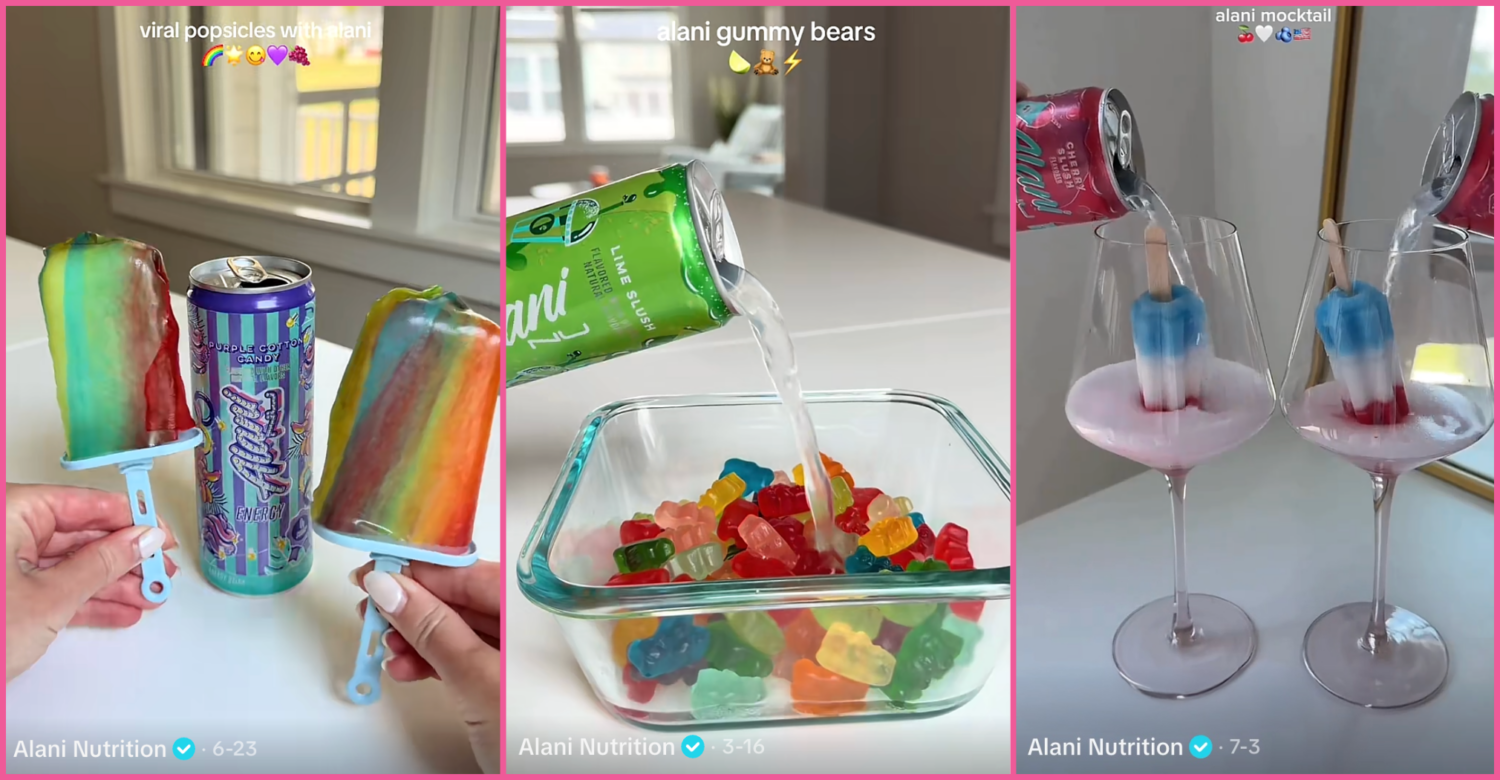
It’s not just the colorful packaging and flavors like cotton candy and sherbet swirl that appeal to kids. On TikTok, Alani Nu markets its energy drinks as the perfect complement to popular children’s food and candy, teaching viewers how to infuse gummy bears with Alani Nu, make Alani Nu popsicle sticks with fruit-flavored roll-up coatings and mix Alani Nu flavors and popsicles for caffeinated mocktails.
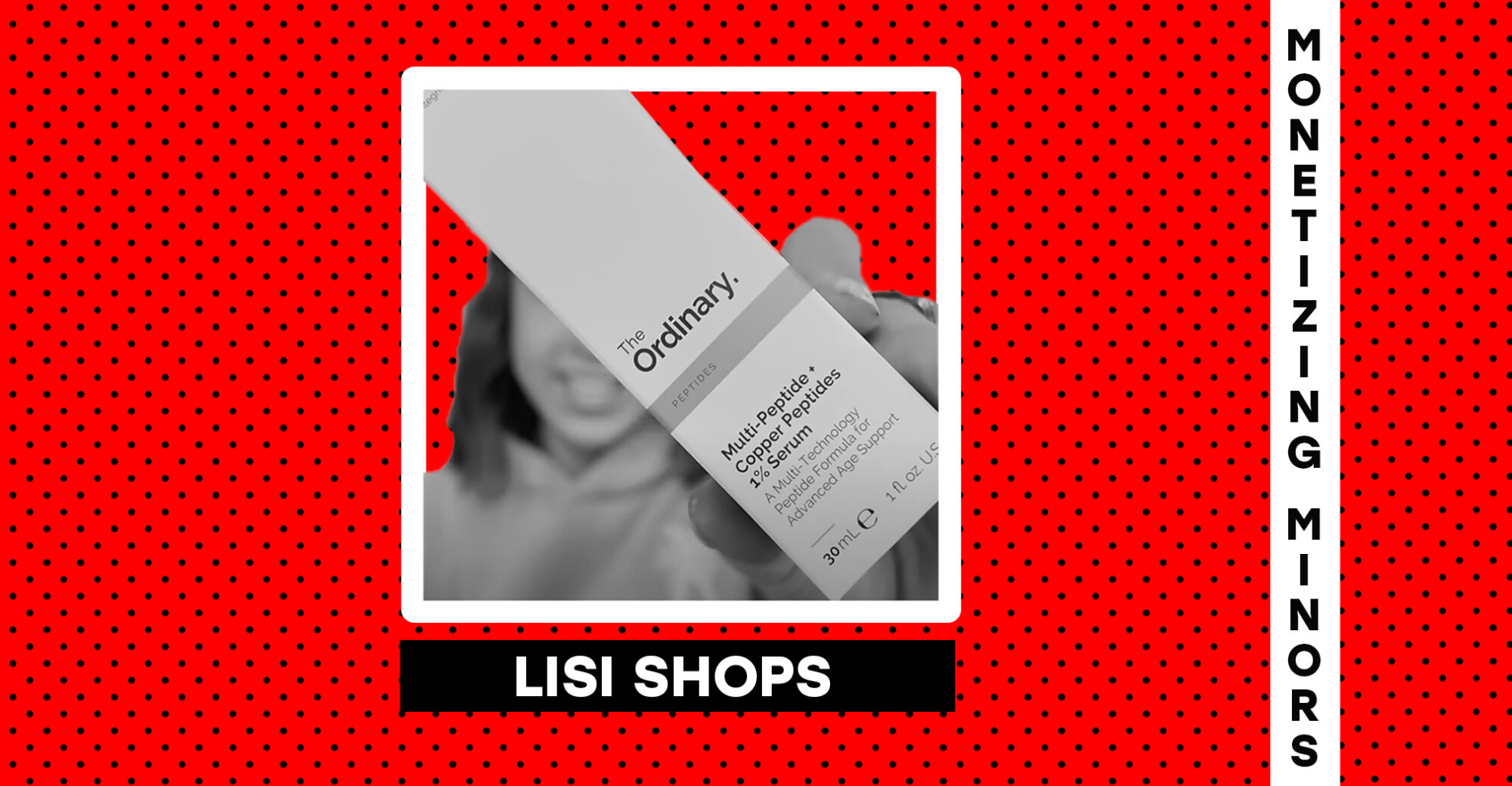
And before Celsius acquired Alani Nu for $1.8 billion in April 2025, the energy drinks were being sent to kidfluencer Lisi Shops, who, as a 16- and 17-year-old, regularly featured the company’s 18+ products in “PR hauls” and other types of videos on her social media pages. “Every time I pick up a really heavy box, I already know who it’s from,” Lisi says in one of her videos, referring to Alani Nu.
Lisi, whose real name is Aneliese German, turned 18 in 2025 at which point, interestingly, the Alani Nu packages appeared to stop coming in the mail. But the videos above have not been taken down and are still accessible to her target audience of tweens and teens.
A 12-ounce can of Alani Nu contains 200mg of caffeine, double the daily limit for children ages 12 to 18, and more caffeine than some other competing energy drinks. A 16-ounce can of Monster Energy, for example, contains 160mg of caffeine. However, pediatricians warn there is “no safe dose of caffeine for children.”
The effects of caffeine on children can include fast or irregular heartbeat, elevated blood pressure, rapid breathing and anxiety. Other stimulants such as guarana and taurine commonly found in energy drinks, including Alani Nu, can compound these risks. Despite this, studies have found that nearly one-third of children ages 12 to 17 consume energy drinks regularly. And TikTok is full of videos posted by high school graduates thanking Alani Nu for “getting them through” high school.
According to the lawsuit, which was filed against a distributor of Alani Nu by the family of the teen, prior to suffering a “fatal cardiac event” attributed to “cardiomyopathy caused by excessive caffeine consumption,” Larissa Rodriguez consumed “one or more” Alani Nu energy drinks every day for a year, while not being aware of the alleged risks because they weren’t adequately disclosed on packaging. The lawsuit alleges:
The only cautionary language on the can—“Not recommended for children under 18, those sensitive to caffeine, pregnant or nursing women”—is printed in small, inconspicuous text that is easily overlooked and wholly inadequate to warn consumers of the serious risks of cardiac injury and death.
The Rodriguez family attorney told NBC News that the teen, who played tennis and was a cheerleader, started drinking Alani Nu after seeing posts advertising its health and wellness benefits on social media.
Glazer’s Beer and Beverage, the distributor named in the lawsuit, did not respond to a request for comment. The case is pending.
But Celsius is facing scrutiny over its marketing of Alani Nu to children on multiple fronts.
In June, the Texas attorney general announced that it was investigating Celsius for marketing targeting teens and children. The press release stated:
[Alani Nu] employs colorful packaging, playful design elements, and youth-oriented branding strategies that appeal directly to younger consumers, raising serious questions about whether the company is deliberately marketing a potentially harmful product to an at-risk population.
TINA.org is well aware of the potential harms of marketing energy drinks to kids. In 2022, TINA.org and the UConn Rudd Center sent letters to more than 40 U.S. energy drink companies notifying them of deceptive advertising trends in their industry like the targeting of minors and urging them to review their marketing to ensure compliance with the law. Among the companies that received a letter was Alani Nu.
Celsius did not respond to a request for comment.
Find more of our coverage on energy drinks.
Brand partnerships worthy of a big “doom!”
A calorie-counting app is just one of the adult products promoted on this minor’s social media channels.
What’s this kidfluencer doing promoting a “youth cream”?